
Sturzkampfflugzeug (Stuka): German dive bomber aircraft
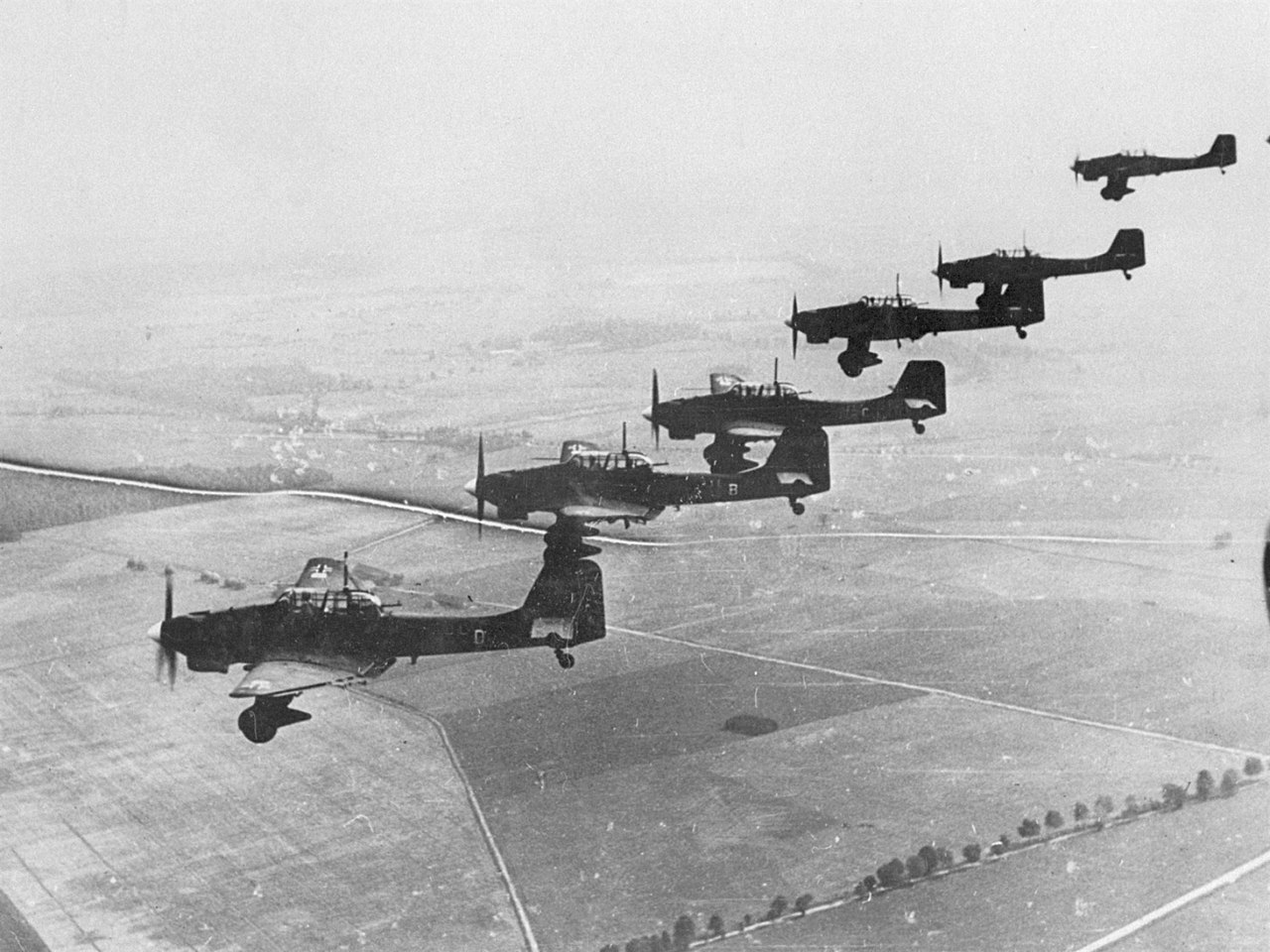
Sturzkampfflugzeug is the German term for dive bomber, commonly shortened to Stuka. It describes aircraft designed for steep attacking dives to deliver bombs with high precision, notably the Hs 123 and Ju 87.
Sturzkampfflugzeug is a German compound word that is commonly rendered into English as a dive bomber. The colloquial abbreviation Stuka became widely used in both German and foreign sources to describe these types of aircraft. In general usage the term denotes fixed‑wing military planes built to carry out steep, controlled diving attacks to deliver ordnance with greater accuracy than level bombing.
Image gallery
10 Images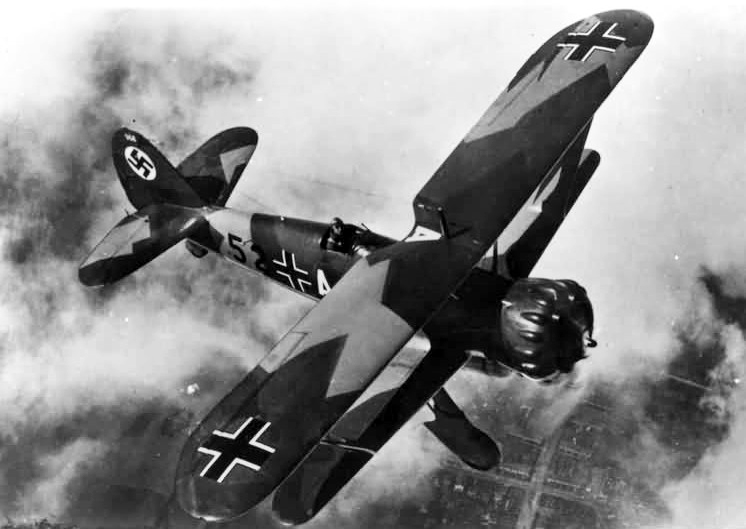


Design and defining features
Dive bombers share several characteristic features that enable their mission: a reinforced airframe to withstand high g loads when pulling out of a dive; reliable bomb racks and release mechanisms; aerodynamic controls and sometimes dive brakes to keep a steady descent angle; and targeting sights or cockpit arrangements to improve aiming. Most carried a relatively small number of bombs compared with strategic bombers, but achieved higher point accuracy. Defensive guns and radios were common, and some models had dual crews (pilot and rear gunner/observer).
History and operational role
Sturzkampfflugzeuge were most prominent in the interwar period and during World War II. Their tactics emphasized precision close support, anti‑ship strikes and attacks on fortified points by diving onto the target from a steep angle and releasing bombs at low altitude. This technique provided much greater accuracy than high‑altitude level bombing of the time, making dive bombers valuable in combined arms operations and early blitzkrieg campaigns. At the same time they were vulnerable to enemy fighters and ground fire, which limited their effectiveness as air defenses improved.
Notable German types
- Henschel Hs 123 — a rugged, single‑seat biplane that served as a close‑support and ground‑attack type in early conflicts and campaigns; known for simplicity and survivability.
- Junkers Ju 87 — the best‑known Stuka, a two‑seat monoplane with distinctive appearance and siren‑fitted variants used to demoralize opponents; it became a symbol of German dive‑bombing tactics.
Legacy and distinctions
The generic term sturzkampfflugzeug contrasts with strategic level bombers and with fighter‑bombers, which combine air combat capability with ground attack. As aerial tactics and technology evolved—faster fighters, radar, and guided munitions—the specialized dive bomber declined after World War II. Many of its roles were absorbed by multi‑role strike aircraft and precision weapons, but the doctrine of high‑accuracy close air support developed for dive bombing influenced later attack aircraft and ground‑support tactics.
For further introductory reading about the term and specific types, see sources that discuss German aircraft and World War II aviation history through the linked entries above.
Related articles
Author
AlegsaOnline.com Sturzkampfflugzeug (Stuka): German dive bomber aircraft Leandro Alegsa
URL: https://en.alegsaonline.com/art/94414