
Sturmabteilung (SA): the Nazi Party's Brownshirts
The Sturmabteilung, or SA, was the Nazi Party's paramilitary brownshirt formation that helped intimidate opponents, expand the party's influence in the 1920s–30s, and later fell victim to internal purges.

Image gallery
9 Images




Origins and influences
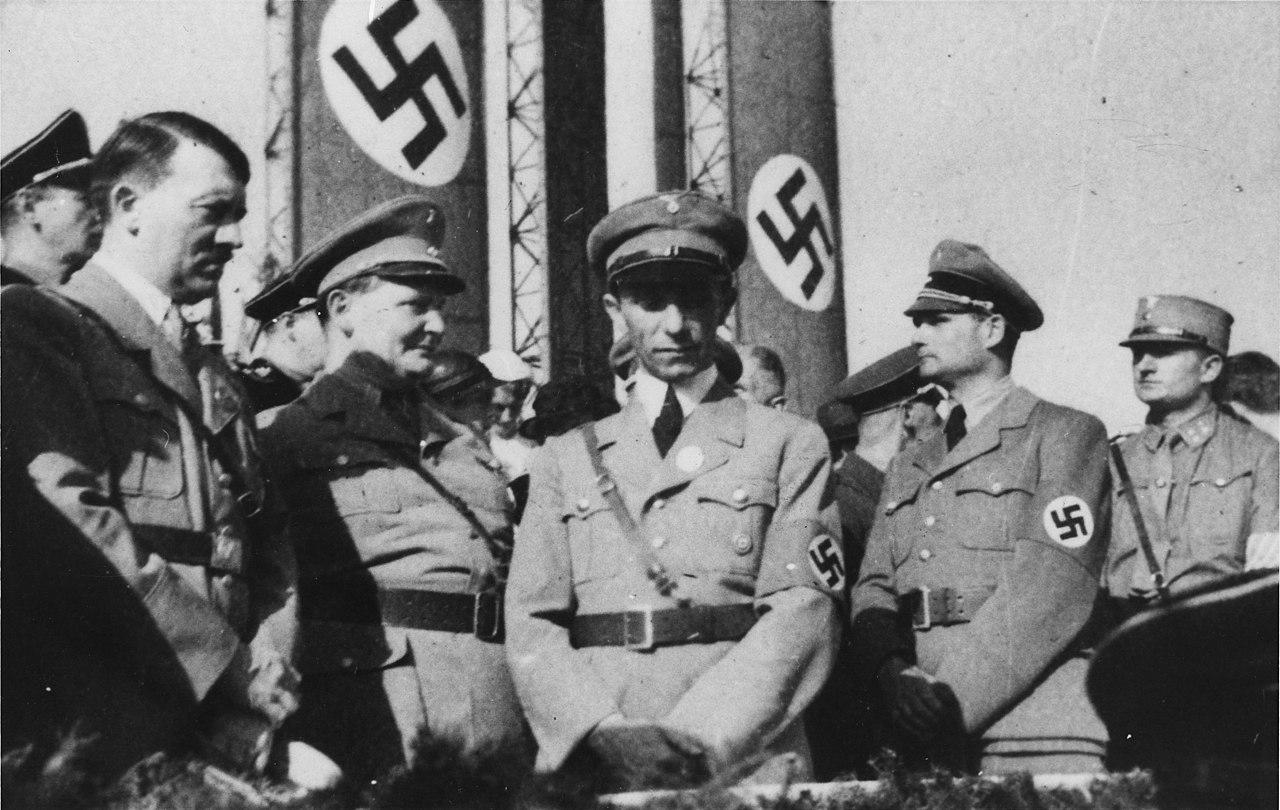
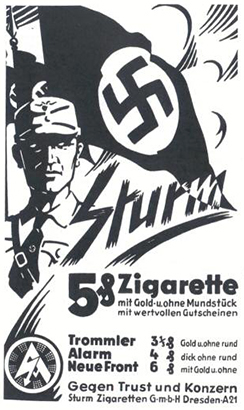
The name Sturmabteilung—literally "assault detachment"—drew on German military terminology from World War I, when specialized assault units and infiltration tactics associated with commanders such as Oskar von Hutier influenced modern military thought; historians sometimes refer to these as Hutier-style tactics. The SA adopted that imagery to present itself as a disciplined, combative force for political struggle. Its brown uniforms, from which the nickname "Brownshirts" derived, were visually similar to other contemporary fascist militias such as Mussolini's Blackshirts.
Organisation and character
The SA combined military-style ranks, political instruction, and street-level activism. Members trained in parades, rallies and confrontations with opponents. Their functions included:
- Providing security at party events and protecting speakers;
- Engaging in street fights and clashes with left-wing groups or rival parties;
- Serving as a visible mass movement to project strength and deter resistance.
As the movement grew, the SA expanded into a mass organisation that appealed to unemployed veterans and radical nationalists, eventually numbering a very large membership by the early 1930s. The Schutzstaffel, or SS, began as a small guard formation within the SA before evolving into a separate and more elite organisation.
Role in the Nazi rise to power
The SA's willingness to use force and its high-profile public demonstrations played a significant role in undermining democratic rivals and in creating an atmosphere of intimidation that helped the Nazi Party gain political leverage. During elections and street campaigns their presence signalled both organizational strength and the threat of further violence; this made them an instrument of political mobilization as well as repression. The SA's activities occurred alongside other paramilitary groups and informal militias that were common in Weimar Germany, and they were a decisive factor in the chaotic politics of the period.
Purge and decline: the Night of the Long Knives
By 1934 tensions had grown between the SA leadership, which harboured some revolutionary ambitions, and conservative institutions such as the German army and business elites. In June 1934 Adolf Hitler and his allies ordered a purge known as the Night of the Long Knives, during which senior SA figures were arrested or killed by units of the SS acting on the government's behalf. The operation dramatically reduced the SA's power and marked a turning point in the Nazi state's consolidation, transferring real coercive authority to the SS and traditional state institutions.
Legacy and historical assessment
Historians view the SA as a pivotal but complex actor in the collapse of Weimar democracy: instrumental in Hitler's rise, yet ultimately sidelined when its goals conflicted with those of the new regime and Germany's military establishment. The SA left a lasting imprint on the visual and coercive culture of Nazism—its uniforms, rituals, and use of organized violence are frequently cited when scholars discuss the mechanisms by which extremist movements convert popular support into political dominance. Contemporary accounts and later scholarship treat the SA as both a symptom and an agent of the violent politicization of German society in the interwar years.
For further reading and primary-source materials see introductory resources on paramilitary movements and the interwar period: paramilitary overview, background on the Nazi Party, biographies such as that of Ernst Röhm, studies of World War I influences, and analyses of the purge and the transformation of the SS.
Related topics include the role of mass mobilisation in authoritarian movements and comparisons with contemporaries like Mussolini's militia and other nationalist paramilitaries; see also discussions of the political violence that characterised the Weimar era and the tactical lineage back to Hutier approaches to assault troops.
Related articles
Author
AlegsaOnline.com Sturmabteilung (SA): the Nazi Party's Brownshirts Leandro Alegsa
URL: https://en.alegsaonline.com/art/94410