
Blackshirts — Italian Fascist paramilitary forces (Squadristi/MVSN)
The Blackshirts were Italian Fascist paramilitary squads active from the post‑WWI period through Mussolini's rule, known for political violence, the 1922 March on Rome, formalization as the MVSN, and suppression after 1943.
Overview
The Blackshirts were organized squads of Italian political militants associated with the Fascist movement that helped Benito Mussolini seize and consolidate power in Italy. Emerging after World War I, they combined nationalist rhetoric, anti‑socialist violence and paramilitary methods to intimidate opponents, seize local authority and back the regime's expansion. Their black shirts became a widely recognized symbol of Italian Fascism.
Image gallery
10 Images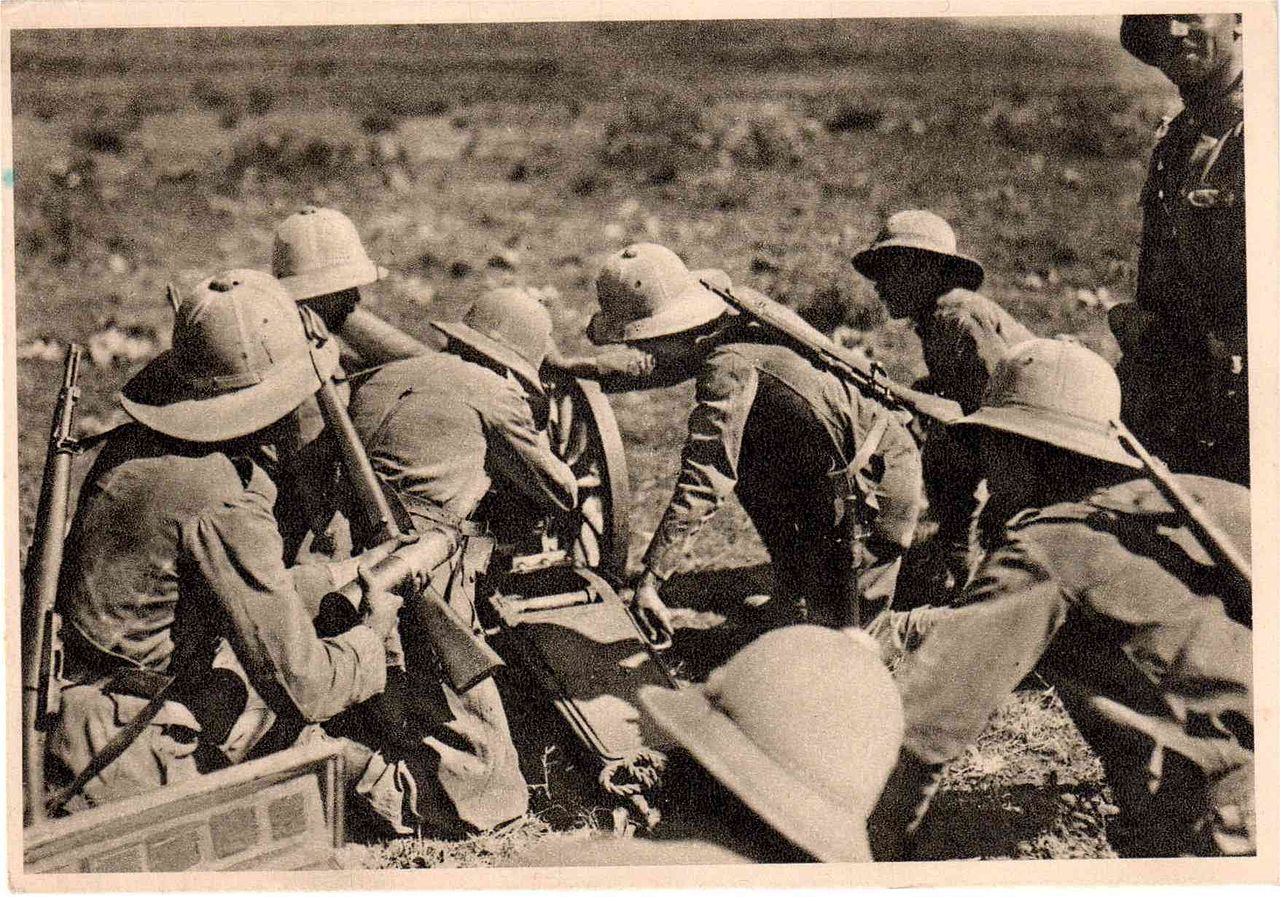




Origins and development
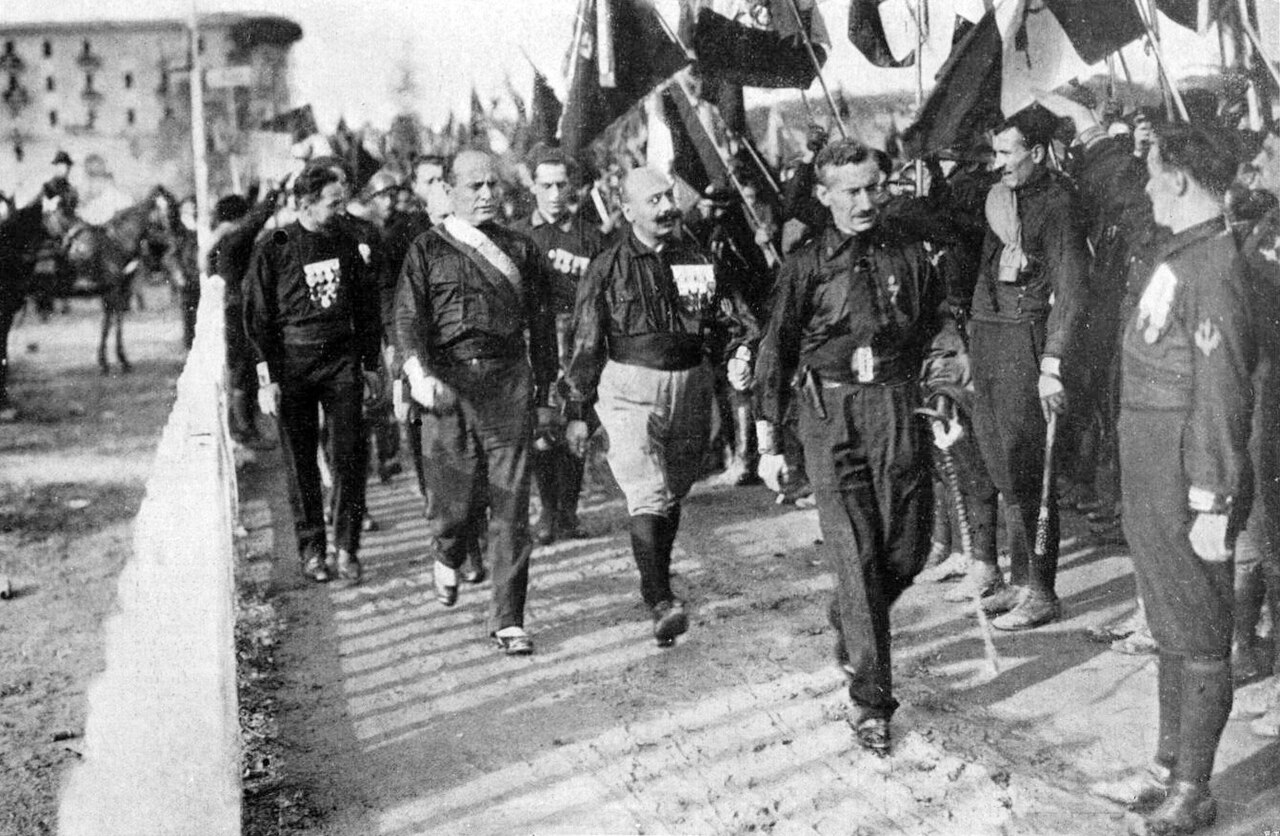
They originated as loose bands of ex‑soldiers, nationalists and volunteers in the early postwar years, often called the Squadristi. These groups carried out attacks on socialist and labor organizations during a period of social turmoil. Their most decisive political act was participation in the October 1922 March on Rome, which helped bring Mussolini to power. In 1923 the squads were formally organized into the Milizia Volontaria per la Sicurezza Nazionale (MVSN), a state‑backed militia that served the party and later the government until Mussolini's fall in 1943.
Characteristics and organization
Blackshirt units were paramilitary in character: they used military discipline, drilled publicly and adopted rank insignia and uniforms. Key traits included:
- Distinctive black shirts and insignia intended to project unity and menace.
- Local squads that often reported to regional party bosses or squad leaders.
- Functions ranging from street fighting and intimidation to policing and ceremonial duties as the movement became institutionalized.
Role under Mussolini
After the regime consolidated control, many Blackshirts were absorbed into official structures or assigned to public security and propaganda tasks. They enforced anti‑left measures, supported colonial expeditions and participated in regime rallies. Their evolution from irregular violence to an arm of the state illustrates how movements can be bureaucratized once in power.
Comparison and broader context
Similar organizations arose elsewhere: for example the Sturmabteilung or SA (often called the Brownshirts) was formed in 1921 by the German Nazi Party as a mass paramilitary force. The Blackshirts shared tactics and symbols with such groups but were rooted in Italy's specific postwar politics. Historians often compare these formations to analyze the role of organized violence in the rise of interwar authoritarian movements.
Legacy and assessment
After Mussolini's removal in 1943 the MVSN and its squads lost official status; some members joined subsequent wartime formations or the short‑lived Italian Social Republic. The Blackshirts remain a potent historical example of how militant groups can mobilize popular grievances, use coercion to reshape politics and then be transformed by state power. For further context see general sources on paramilitary movements, modern Italy between the wars and biographies of Benito Mussolini.
Key points: they began as Squadristi, formalized as the MVSN, were central to Fascist violence and symbolism, and are commonly compared with other interwar paramilitaries.
Related articles
Author
AlegsaOnline.com Blackshirts — Italian Fascist paramilitary forces (Squadristi/MVSN) Leandro Alegsa
URL: https://en.alegsaonline.com/art/11968