
Paramilitary forces
Organized armed groups structured like militaries but outside the formal armed forces; includes state-controlled units (gendarmerie, border guards) and non-state militias, with varied roles and legal status.
Overview
Paramilitary describes organized armed bodies that resemble military units in structure, training, equipment or function but are not part of a country's regular armed forces. Such organizations can operate under state authority or exist independently. They often perform tasks at the interface between military and civilian law enforcement, and their role varies by legal framework and national practice. For a general contrast with formal military institutions see armed forces.
Image gallery
5 Images
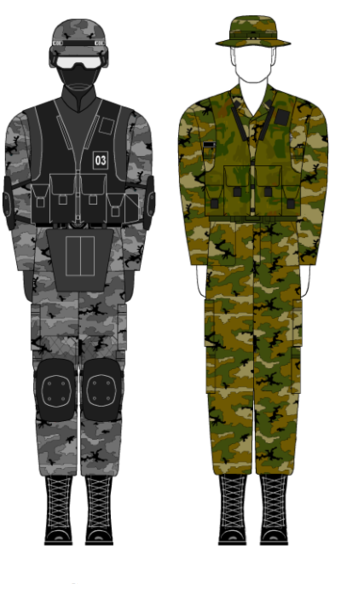

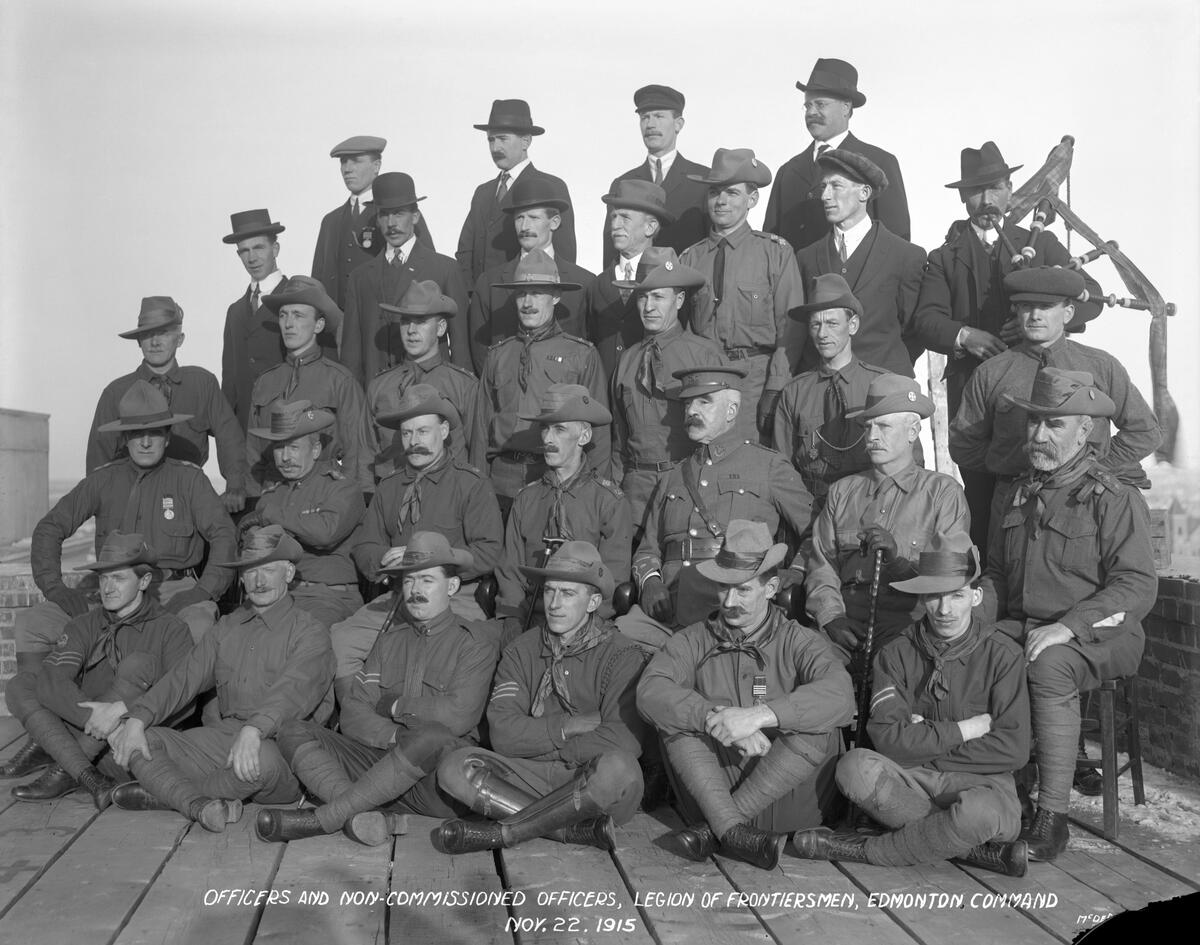

Characteristics
Paramilitary units typically have a hierarchical command, uniformed personnel, and weapons or vehicles similar to those used by the military. Distinguishing traits include a primary focus on internal security, border control, or public order rather than conventional warfare, and legal restrictions that may limit their use of force. They are trained to operate in both civilian environments and high-threat situations, and may receive specialized instruction in riot control, counterinsurgency, or reconnaissance.
Types and examples
- State-controlled units: gendarmerie, national guards, coast guards and border guards that report to ministries other than defence and often carry out policing duties — for example, border patrols and customs enforcement (police, border roles).
- Specialized internal forces: paramilitary police units, riot squads, and rapid-response teams deployed for domestic emergencies or large public events.
- Non-state armed groups: irregular militias, insurgent organizations or private security contractors that use military-style organization but lack official state status.
History and etymology
The term combines Greek para (beside or alongside) with Latin miles (soldier), reflecting forces that operate alongside but separate from the formal military. Historically, many societies have used such forces to supplement regular armies or to maintain internal order when standing militaries were unsuitable for policing roles.
Roles, legal status and controversies
Paramilitary forces can contribute to public safety, disaster response and border protection, yet they raise legal and ethical questions about oversight, accountability and the militarization of policing. Their authority, rules of engagement and chain of command are defined differently across jurisdictions, so transparency and civilian control are central concerns in democratic systems.
Notable distinctions
It is important to distinguish paramilitary bodies from regular military units, private military companies, and informal militias. Differences rest on legal recognition, command relationships and permitted missions. For readers seeking more background on terminology and related institutions see a general etymology source: origin of the term.
Related articles
Author
AlegsaOnline.com Paramilitary forces Leandro Alegsa
URL: https://en.alegsaonline.com/art/74551