
Infiltration tactics (stormtrooper tactics) of World War I
A concise guide to infiltration tactics—small-unit assault methods developed by German forces in WWI that emphasized surprise, bypassing strongpoints, and combined-arms to break trench stalemates.
Overview
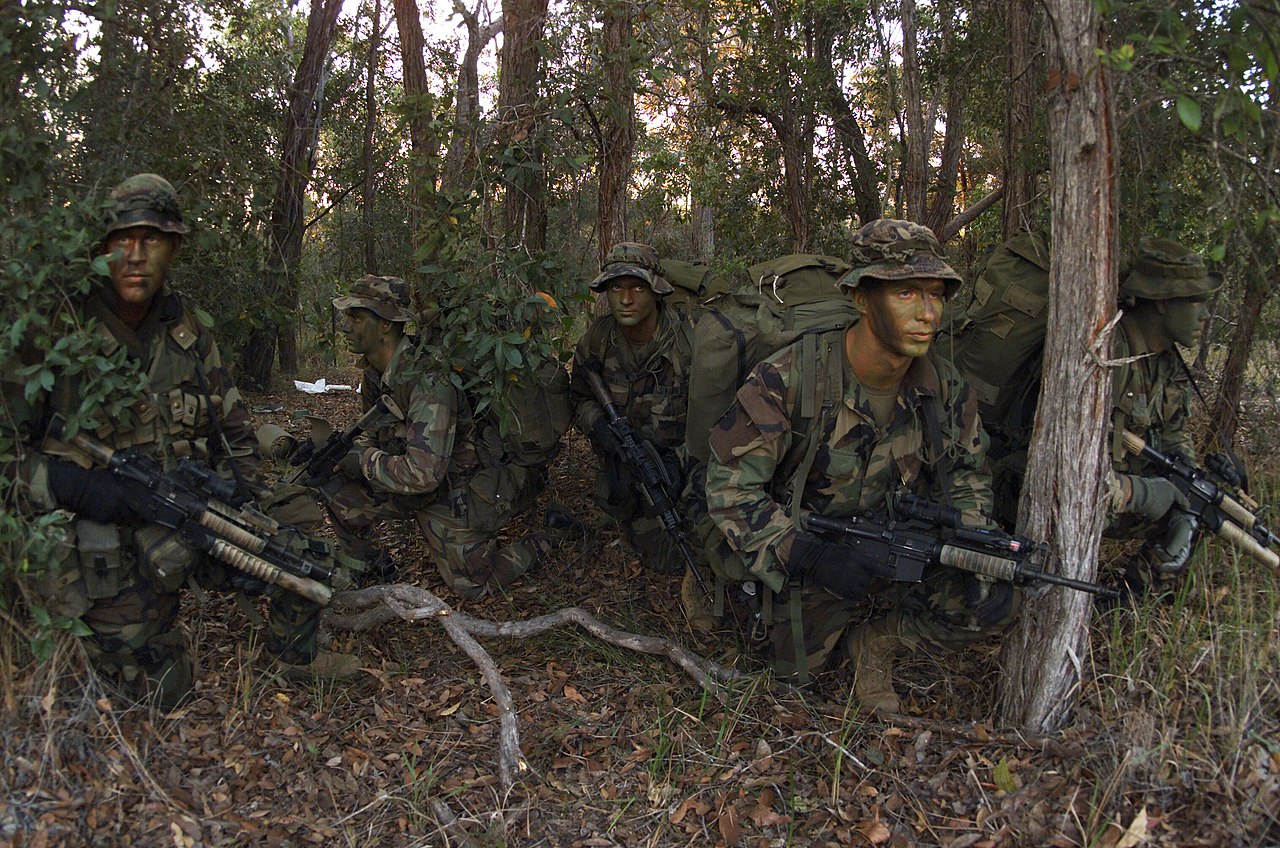
Infiltration tactics—often called "stormtrooper" or "Hutier" tactics—are assault methods developed by the German army during World War I to overcome static trench defenses. Rather than launching massed frontal waves, these tactics relied on small, highly trained teams that penetrated weak points, bypassed hardened positions, and exploited gaps to disrupt rear areas and create local breakthroughs.
Image gallery
10 Images






Origins and development
The approach evolved from several interrelated innovations. Early field experiments by officers such as Willy Rohr in 1915 produced specialized assault units and techniques tested on the Western Front; these units later formed the nucleus of independent storm battalions. Another key figure was Oskar von Hutier, whose refinement and wider application of these methods after rising in command helped popularize them. The French and British, observing German successes in 1917–1918, referred to the method as "Hutier tactics", though historians generally use the broader term "infiltration tactics" today.
Core characteristics
- Small assault groups: squads and sections given local initiative rather than massive wave formations.
- Bypassing strongpoints: teams were trained to avoid well-defended positions and push into softer areas behind the front line.
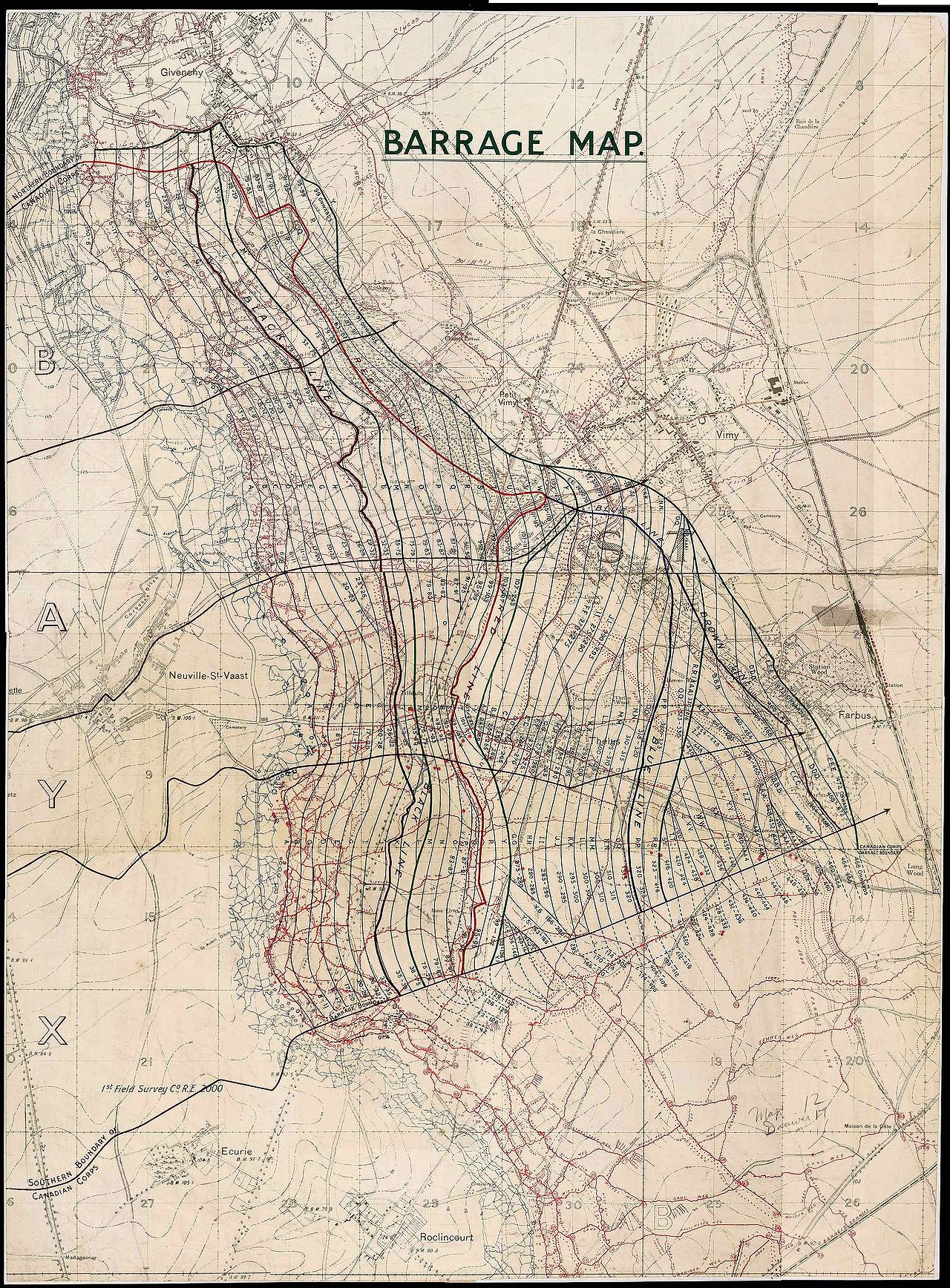
- Short, intense artillery preparation: bombardments were shorter and more selective to preserve surprise, often followed by rolling or creeping barrages.
- Combined arms: close coordination of infantry, artillery, engineers, and specialized weapons such as grenades, light machine guns and flamethrowers.
- Mission-type command: lower-level leaders received clear intent and latitude to exploit opportunities (a practice related to German Auftragstaktik).
Implementation and examples
These methods were applied in multiple sectors and phases of the war. Units trained under these doctrines were active on the Western Front, including actions tied to the Battle of Verdun, and on the Eastern Front where commanders adapted the techniques to different terrain and enemy dispositions. In 1917–1918 German offensives used infiltration elements to achieve deeper penetrations than had been possible with earlier tactics, though supply, command-and-control limits and allied resilience often constrained final strategic gains.
Importance and legacy
Infiltration tactics marked a doctrinal shift: they emphasized flexibility, small-unit leadership, and selective application of firepower over attritional mass assaults. The basic ideas—combined-arms coordination, decentralised initiative and exploiting weak points—influenced interwar and later developments in maneuver warfare. While not a panacea in 1918, these tactics demonstrated how innovation at the tactical level could change battlefield dynamics.
Further reading and notable figures
Key personalities and episodes can be explored through primary and secondary sources. For studies of early stormtroop experiments see accounts of Willy Rohr and operations at Verdun. For broader discussion of German methods and figures such as Oskar von Hutier, consult general works on World War I and campaign histories of the Eastern Front. For doctrinal context about command practices and leadership during the period see analyses linked to German army command.
These links serve as placeholders for further reference; they point toward the principal innovators, campaign examples, and doctrinal themes associated with infiltration tactics.
Questions and answers
Q: Who developed the Shock-Troops-Taktiks in the Western Front?
A: Willy Rohr developed the Shock-Troops-Taktiks in the Western Front in 1915.
Q: When were they used?
A: They were used in the Battle of Verdun.
Q: What was Willy Rohr's Bataillon named?
A: Willy Rohr's Bataillon became independent and was first named as Sturmbataillon Rohr and became about one year later renamed by the Prussian Minister of War to Sturm-Bataillon Nr. 5 (Rohr).
Q: Who was Oskar von Hutier?
A: Oskar von Hutier was another one of Germany's most successful and innovative generals of World War I.
Q: What did Oskar von Hutier do for the Eastern Front?
A: After rising to army command early in 1917, Oskar von Hutier began to apply the lessons learned from his three years of commanding troops, along with his study of tactics used by other armies.
Q: What new strategy did Oskar von Hutier devise for the Germans?
A: Oskar von Hutier devised a new strategy for the Germans to break the stalemate of trench warfare, which came to be known as "infiltration tactics".
Q: What were the Hutier tactics?
A: The Hutier tactics were a set of infiltration tactics developed by Oskar von Hutier during World War I, which were implemented successfully in 1917 and 1918 by the German forces.
Related articles
Author
AlegsaOnline.com Infiltration tactics (stormtrooper tactics) of World War I Leandro Alegsa
URL: https://en.alegsaonline.com/art/47278