
Stroopwafel
A thin Dutch waffle sandwich filled with a caramel-like syrup. Traditionally from Gouda, the stroopwafel is eaten warm with coffee and sold both artisanally and commercially worldwide.

Stroopwafel (literally "syrup waffle" or "treacle waffle") is a Dutch confection made from two very thin, crisp baked wafers joined by a sweet, syrupy filling. Often enjoyed with hot beverages, the cookie-like treat combines a delicate, patterned exterior with a chewy interior and is recognized as a distinctive regional specialty.
Image gallery
6 Images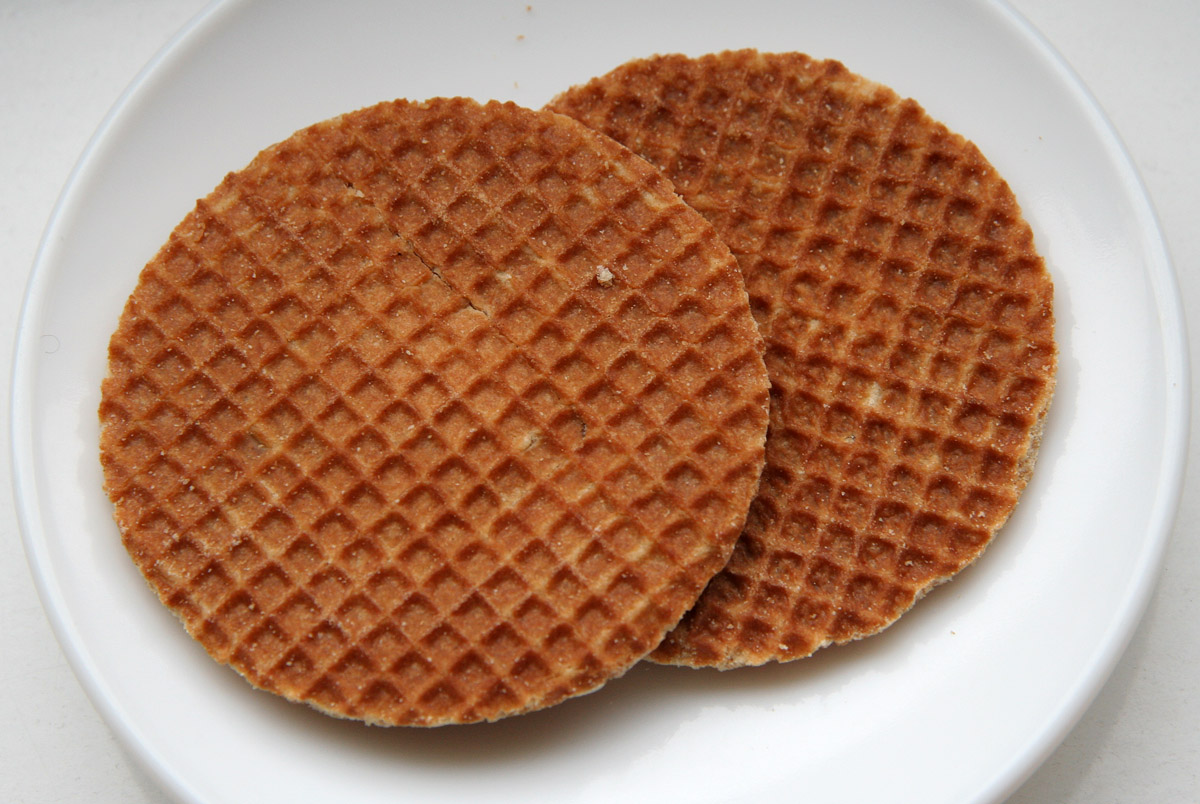


Characteristics
A stroopwafel begins as two thin layers of batter cooked in a waffle iron that presses a honeycomb or grid pattern into the surface. While still warm, the thin wafers are sliced horizontally and a warm, viscous filling is spread between them, creating a sandwich. The filling is typically a caramel-like blend made from syrup, brown sugar, butter and spices, resembling a thick syrup. Texturally it is crisp at first and becomes softer and more pliable when warmed.
History and origin
Stroopwafels are associated with the town of Gouda in the Netherlands, where they are believed to have emerged in the late 18th century (some accounts cite about 1784). Local bakers adapted waffle techniques and sweeteners available at the time to create a portable, shelf-stable snack that could use leftover crumbs and syrup, which helped spread the pastry’s early popularity.
Uses and cultural importance
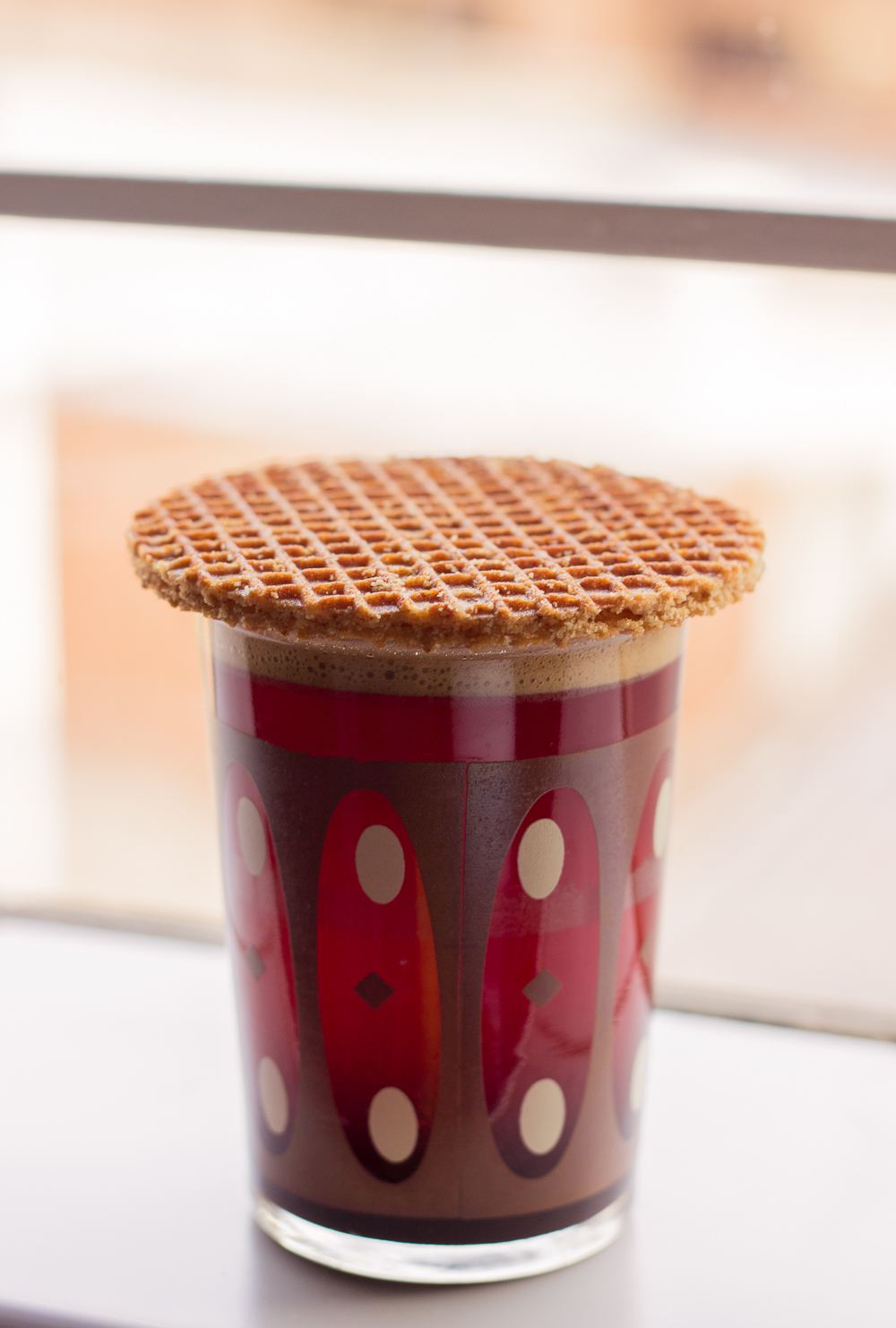
Commonly eaten with coffee or tea, a traditional serving method is to place a stroopwafel atop a hot cup so steam softens the filling without melting it away. In the Netherlands it is a common household treat and gift item; larger freshly made versions are sold by street vendors as a warm snack. Over the past decades stroopwafels have become widely exported and appear in cafés and supermarkets internationally.
Varieties and production
Modern variations include different sweet fillings, thinner or thicker wafers, and chocolate-dipped edges. Production ranges from small artisanal bakeries that follow older recipes to industrial manufacturers producing packaged stroopwafels for supermarkets and travel markets. For more background on waffle types and related pastries see general articles on waffles and sweet syrups available in culinary references.
Notable facts
- Stroopwafels combine pastry techniques (waffle irons) with candy-making (syrup reduction).
- They are closely tied to Dutch food culture but now enjoy international popularity.
- Traditional recipes emphasize simple pantry ingredients and quick assembly while warm.
Related articles
Author
AlegsaOnline.com Stroopwafel Leandro Alegsa
URL: https://en.alegsaonline.com/art/94334
Sources
- gouda-online.nl : Stroopwafels. Een traditionele Goudse lekkernij
- gouda-online.nl : Gouda-Online.nl
- vandale.nl : Stroopwafel
- vandale.nl : Van Dale Taalweb