
Suet
Suet is the hard animal fat around the kidneys and loins, used in traditional cooking, pastry, bird feed and some crafts; distinct from rendered tallow and available in animal and vegetable forms.
Suet is the firm white fat found around the kidneys and loins of animals, most commonly cattle and sheep. It is prized in cooking because its texture and relatively high melting point give a distinctive richness to pastries, puddings and steamed dishes. Raw suet differs from fully rendered fats: when heated and processed it becomes tallow, but in its fresh form it remains granular and solid at room temperature. For background on its anatomical source see related notes.
Image gallery
3 Images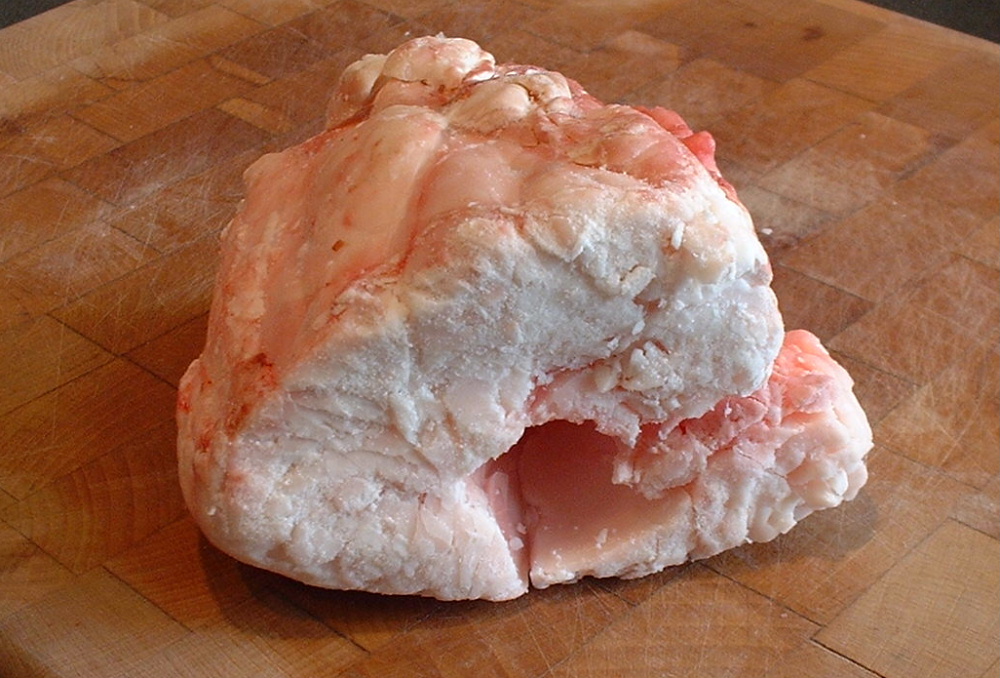


Characteristics
Suet is hard, waxy and pale. It has a clean, neutral flavor compared with other animal fats and lends a light, flaky texture to doughs and crusts. Commercially prepared suet is often shredded and sometimes mixed with a small amount of flour or stabiliser so it will not melt prematurely during handling and will incorporate more evenly into recipes.
Common uses
- Traditional British puddings and steamed desserts such as suet puddings, dumplings and Christmas pudding.
- Suet crust pastry for savory pies and steamed dishes, prized for a tender, crumbly texture.
- Ingredients in mincemeat and certain pastries where a firm fat is needed.
- Bird feeding: suet cakes and blocks mixed with seed for wild birds, especially in winter.
History and cultural role
Suet has a long culinary history in northern European cuisines where steaming and boiling were common. It remained a staple in rural and holiday cooking because it was a preservable source of energy-rich fat. Over time, vegetable alternatives and modern shortenings have supplemented traditional suet, but many recipes still call for it to achieve authentic texture and flavor.
Storage, health and alternatives
Because it is a saturated animal fat, suet is calorie-dense and should be used in moderation. Store fresh suet refrigerated or frozen to preserve quality; rendered fat (tallow) keeps longer at cool temperatures. For vegetarian or lower-animal-fat options, manufacturers produce vegetable suet made from hydrogenated vegetable oils that mimic the behavior of animal suet in baking.
Distinctions
- Suet vs tallow: suet is the raw kidney/loin fat; tallow is rendered and purified fat.
- Beef vs mutton suet: flavor and aroma vary slightly depending on source animal.
- Raw suet is used for texture in recipes; rendered fats are used where longer shelf life or frying is needed.
Related articles
Author
AlegsaOnline.com Suet Leandro Alegsa
URL: https://en.alegsaonline.com/art/94607