
Strong acid
A strong acid is an aqueous proton donor that ionizes essentially completely in water. This article explains definition, properties, common examples, measurement, uses, hazards, and important distinctions.
Overview
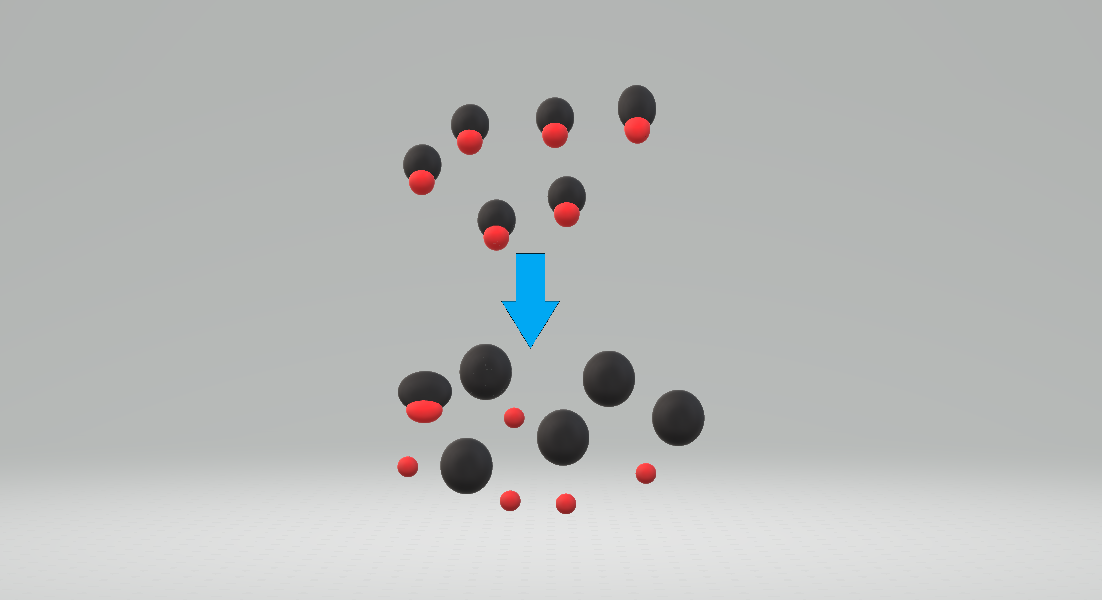
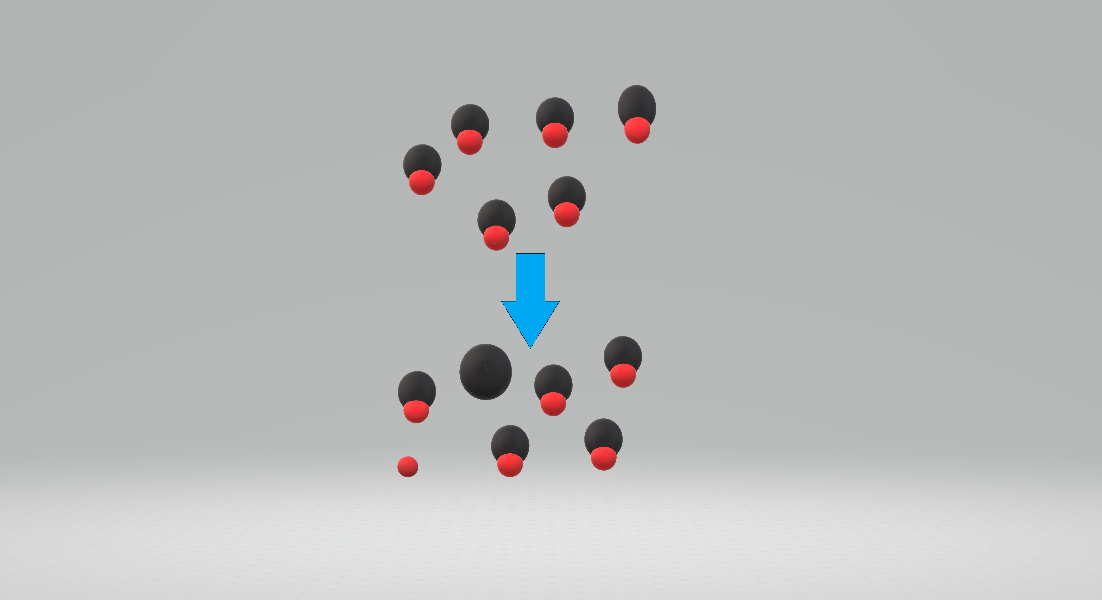
In chemistry a strong acid is defined by its behavior in aqueous solution: it donates protons and ionizes essentially completely, producing hydronium ions (H3O+). In practical terms a strong acid placed in water virtually all converts to its conjugate base and free protons (often written as H+). That complete ionization contrasts with a weak acid, which establishes an equilibrium in which only a fraction of molecules donate protons.
Image gallery
6 Images



Key properties and measurement
Acid strength in water is commonly characterized by the acid dissociation constant (Ka) or its logarithmic form, pKa. Large Ka (and very negative pKa) values indicate stronger acids. Solutions of strong acids typically show very low pH values; dilute solutions can still reach pH 1–3 or lower. Important conceptual points: strong acids are strong electrolytes in water, and their conjugate bases are correspondingly weak bases. Strength depends on the solvent — an acid strong in water need not be strong in nonaqueous media.
Common strong acids
- Hydrochloric acid (HCl)
- Hydrobromic acid (HBr)
- Sulfuric acid (H2SO4) — first dissociation is strong; the second is weaker
- Perchloric acid (HClO4)
- Hydroiodic acid (HI)
- Nitric acid (HNO3)
Some acids, such as chloric acid (HClO3), are often described as nearly as strong in water but may not reach the ideal of complete ionization under all conditions.
Uses, hazards, and examples
Strong acids have widespread industrial and laboratory roles: they catalyze reactions, adjust pH, perform metal etching, and serve as reagents in synthesis and titrations. They are corrosive and pose chemical burn and inhalation hazards; concentrated acids react violently with organic matter or bases, and some release toxic gases. Proper engineering controls, personal protective equipment, and neutralization procedures are essential when handling them.
Historical and theoretical context
Concepts of acid strength evolved with Arrhenius, Brønsted–Lowry, and Lewis theories: Arrhenius emphasized proton-producing substances in water, Brønsted–Lowry focused on proton transfer, and Lewis defined acids as electron-pair acceptors. The modern operational definition of a strong acid is practical — how it behaves in aqueous solution — while theoretical treatments explain trends in bond strength and solvation that determine why some acids ionize completely.
Distinctions and notable facts
Do not confuse "strong" with "concentrated": a dilute solution of a strong acid still contains mostly dissociated ions, whereas a concentrated solution has more acid per volume. Polyprotic acids can show mixed behavior (e.g., sulfuric acid). Acid strength also depends on temperature and ionic strength of the medium. These distinctions matter in calculations, safety planning, and chemical synthesis.
Related articles
Author
AlegsaOnline.com Strong acid Leandro Alegsa
URL: https://en.alegsaonline.com/art/94318