
Nitric acid (HNO3): properties, production, uses and safety
Nitric acid is a strong, corrosive mineral acid (HNO3) used in industry, laboratory chemistry and explosives. This article covers its properties, manufacture, historical names and key safety considerations.
Overview
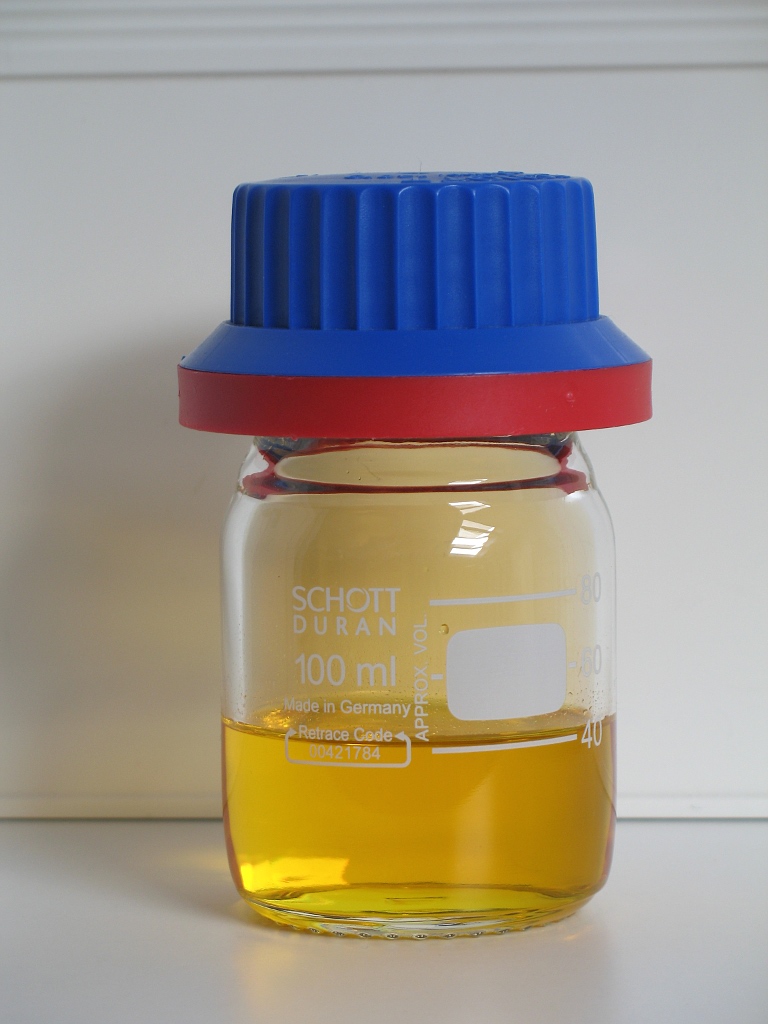
Nitric acid is a strong mineral acid composed of hydrogen, nitrogen and oxygen. Its molecular formula is often written as HNO3. In its pure form it is a colorless to pale yellow liquid, but aged or impure samples often take on a brownish tint because of dissolved nitrogen oxides. It is highly corrosive and toxic, and a central reagent in inorganic and organic chemistry.
Image gallery
6 Images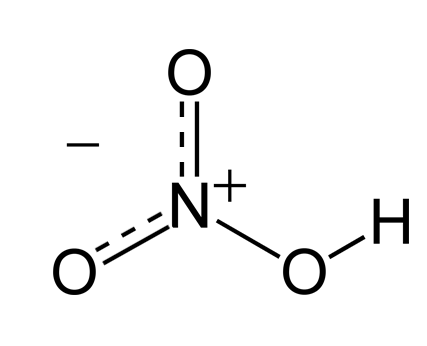


Physical and chemical characteristics
Nitric acid is classified as a strong acid because it dissociates substantially in water to give hydronium ions and nitrate ions. It is an oxidizing agent and reacts with a wide range of metals and organic materials. Typical properties and behaviors include:
- Strong acidity and ability to nitrate organic compounds (introduce NO2 groups).
- Oxidizing character that can cause combustion of organics on contact under some conditions.
- Reaction with many metals to produce metal nitrates and nitrogen oxides — for example, copper reacts to form a brown gas, primarily nitrogen dioxide, when concentrated acid is used.
Production and industrial preparation
Large-scale manufacture of nitric acid begins with the oxidation of ammonia to form nitric oxide and then further oxidation to nitrogen dioxide. The nitrogen oxides are absorbed in water to yield nitric acid. Variations in concentration are produced depending on the intended application, from dilute laboratory grades to concentrated commercial acids.
Major uses and examples
Nitric acid has a broad range of applications. Important uses include:
- Manufacture of fertilizers (nitrate salts) and numerous inorganic nitrates.
- Production of explosives (for example, nitration steps in making nitroglycerin and trinitrotoluene).
- Laboratory reagent for preparing nitrates, for oxidations, and for introducing nitro groups into organic molecules.
- Metal finishing and etching processes, and historical uses in metal analysis and refining.
History, names and notable facts
Nitric acid has been known since early chemistry and alchemy, historically called "aqua fortis" or "strong water." It dissolves silver by forming silver nitrate but does not attack gold, a behavior that was used in assaying to distinguish gold from some other metals. The phrase "acid test" is often traced to such chemical tests used to confirm gold's authenticity.
Safety and handling
Because of its corrosive and oxidizing nature, nitric acid requires careful handling: protective equipment, corrosion-resistant containers and appropriate ventilation are essential. Contact with skin or eyes can cause severe burns; inhalation of vapors, especially nitrogen dioxide fumes produced in some reactions, is hazardous. Waste and spills must be neutralized and disposed of according to regulations to avoid environmental harm.
Note: This article summarizes commonly known information about nitric acid. For detailed procedures, concentrations, regulatory guidance and emergency measures, consult safety datasheets and authoritative chemical references.
Related articles
Author
AlegsaOnline.com Nitric acid (HNO3): properties, production, uses and safety Leandro Alegsa
URL: https://en.alegsaonline.com/art/70369