
Structural isomer (constitutional isomer)
A structural isomer is one of two or more compounds with the same molecular formula but different atom-to-atom connectivity; types include skeletal, positional (regio-), and functional isomers.
A structural isomer, often called a constitutional isomer, is a compound that shares the same molecular formula as another compound but differs in the way atoms are connected. In other words, the identity and count of atoms are identical while the pattern of chemical bonds linking them is different. These differences in connectivity produce distinct molecules with separate names, structures and chemical properties.
Image gallery
10 Images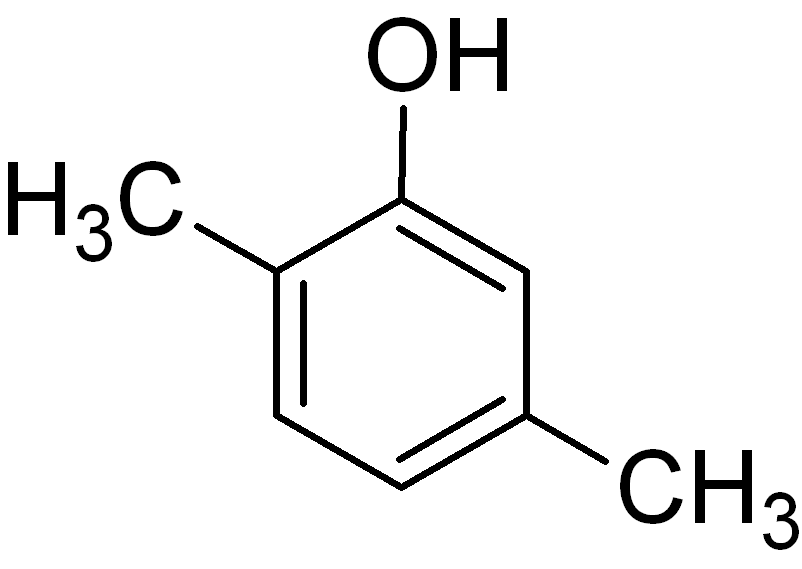


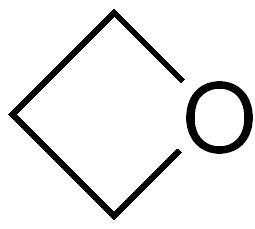
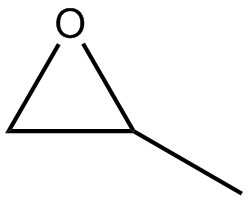


Major classes of structural isomers
- Skeletal (chain) isomers: differ in the carbon framework or main atom chain—for example, straight-chain versus branched structures.
- Positional (regio-) isomers: have the same skeleton but functional groups or substituents occupy different positions along that skeleton.
- Functional isomers: contain different functional groups altogether while keeping the same atom counts (for example, alcohols vs ethers of the same formula).
- Tautomers: a special, often rapidly interconverting, case of functional isomerism that usually involves proton transfer and changes in bond arrangement (keto–enol tautomerism is a common example).
Simple, well-known examples illustrate these classes. Butane has two skeletal isomers: n-butane (straight chain) and isobutane (branched). The molecular formula C4H10 is the same, but physical and chemical behavior differs between the two. Ethanol and dimethyl ether are functional isomers sharing the formula C2H6O; they have very different boiling points and reactivity because their functional groups (an alcohol vs an ether) are distinct.
Structural isomers commonly differ in physical properties such as melting point, boiling point, density and solubility, and in chemical reactivity and stability. These differences influence how isomers are used in synthesis, materials, pharmaceuticals and fuels. In drug design, for example, different constitutional isomers can exhibit markedly different biological activity or toxicity.
Distinction from stereoisomerism and identification
Structural isomerism should not be confused with stereoisomerism. Stereoisomers have the same atom-to-atom connectivity but differ in three-dimensional arrangement (cis/trans, enantiomers, diastereomers), whereas structural isomers differ in connectivity itself. Chemists identify and distinguish structural isomers using spectroscopic (NMR, IR, MS) and chromatographic techniques; spectra and retention behavior reveal differences in functional groups and connectivity patterns.
Understanding structural isomerism is fundamental to organic chemistry: it provides a framework for naming compounds, predicting properties, planning syntheses and interpreting reaction outcomes. Because many molecular formulas correspond to multiple constitutional isomers, recognizing the possible connectivity patterns is an essential skill in both academic and applied chemistry.
Questions and answers
Q: What is a structural isomer?
A: A structural isomer is a compound that has the same number of atoms of each element as another compound but with logically distinct bonds between them.
Q: What is the opposite of structural isomerism?
A: The opposite of structural isomerism is stereoisomerism.
Q: How many types of constitutional isomers are there?
A: There are three types of constitutional isomers.
Q: What are the three types of constitutional isomers?
A: The three types of constitutional isomers are skeletal isomers, positional isomers (also known as regioisomers), and functional isomers.
Q: What are positional isomers?
A: Positional isomers are compounds that have the same molecular formula but differ in the position of the functional group.
Q: What are tautomers?
A: Tautomers are a type of functional isomer that undergo a reversible shift of a hydrogen atom and its bonding electrons between two positions in a molecule.
Q: What are some other words that represent structural isomers?
A: Some other words that represent structural isomers are constitutional isomers and regioisomers.
Related articles
Author
AlegsaOnline.com Structural isomer (constitutional isomer) Leandro Alegsa
URL: https://en.alegsaonline.com/art/94341
Sources
- chemguide.co.uk : Web article