
Street furniture: definition, types, design and public role
Street furniture are fixed and movable objects placed in public streets and spaces—benches, lights, signs, shelters and more—that support safety, accessibility, wayfinding and the character of cities.
Street furniture is the collective term for fixed and movable objects installed in streets, sidewalks, parks and other public spaces to serve practical, safety and aesthetic functions. The phrase is particularly common in planning literature in the United Kingdom and in English-speaking countries such as Canada and Australia. These elements help people move, rest, find information and use public space more comfortably.
Image gallery
7 Images
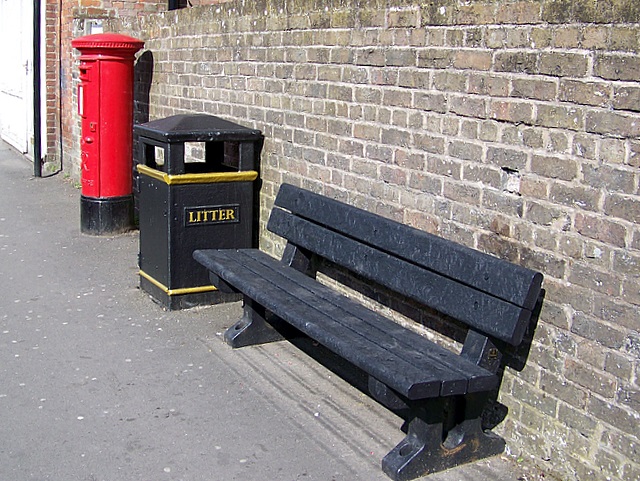


Common types
Items frequently classed as street furniture include seating and benches, bollards, post boxes and public telephones, street lighting and traffic control apparatus, and containers for waste and recycling. Other typical examples are:
- Traffic lights and related signal equipment
- Traffic signs and wayfinding signage
- Bus stops and shelters
- Tram stops and other transit fixtures
- Bike racks, grit and salt bins, taxi stands and public lavatories
- Fountains, drinking points and public water features
- Commemorative elements such as plaques and memorials
Design, materials and sustainability
Design of street furniture balances durability, maintenance, safety and visual fit with the surrounding streetscape. Common materials include timber, cast iron, steel, concrete and resistant plastics. Increasingly, designers and authorities consider sustainability by selecting recycled materials, specifying long-life finishes and using energy-efficient lighting systems. Robust materials reduce life-cycle costs but must be chosen with attention to repairability and appearance over time.
Accessibility and safety
Accessibility standards influence placement and form so that furniture supports people with reduced mobility, wheelchair users, parents with strollers and people with visual impairments. Important aspects are clear sightlines, consistent heights for seating, tactile contrast for wayfinding and unobstructed pedestrian flows. Proper siting also contributes to road safety: bollards and guardrails can protect footways, while well-placed signage and lighting improve legibility for motorists and pedestrians alike.
Historical development and modern trends
As towns and cities modernized, the variety and standardization of street furniture grew: early provision focused on seating and lighting, while the motor age introduced standardized traffic signs and shelters. Contemporary trends include integrating technology such as real-time transit displays, charging points and sensor-driven lighting, as well as multipurpose elements that combine seating, planting and bike parking.
Management, maintenance and public value
Local authorities, transport agencies and private stakeholders share responsibility for procurement, siting, upkeep and liability. Good practice involves community consultation, routine maintenance schedules and clear ownership of assets. Poorly managed or cluttered furniture can obstruct movement, create hazards or encourage anti-social behaviour, while well-considered installations improve street life, encourage active travel and help define neighborhood character.
Related articles
Author
AlegsaOnline.com Street furniture: definition, types, design and public role Leandro Alegsa
URL: https://en.alegsaonline.com/art/94242