
Fountain: design, function, history, and types
An overview of fountains: their forms, components, operation, history, uses, and distinctions between ornamental, drinking, and monumental water features.
Overview
A fountain is a constructed water feature that captures and displays water from a source into one or more basins or channels. Fountains range from simple drinking spouts to elaborate sculptural installations with high jets and cascading pools. They are both practical — supplying drinking water or cooling urban spaces — and decorative, serving as focal points in gardens, plazas, and private estates.
Image gallery
10 Images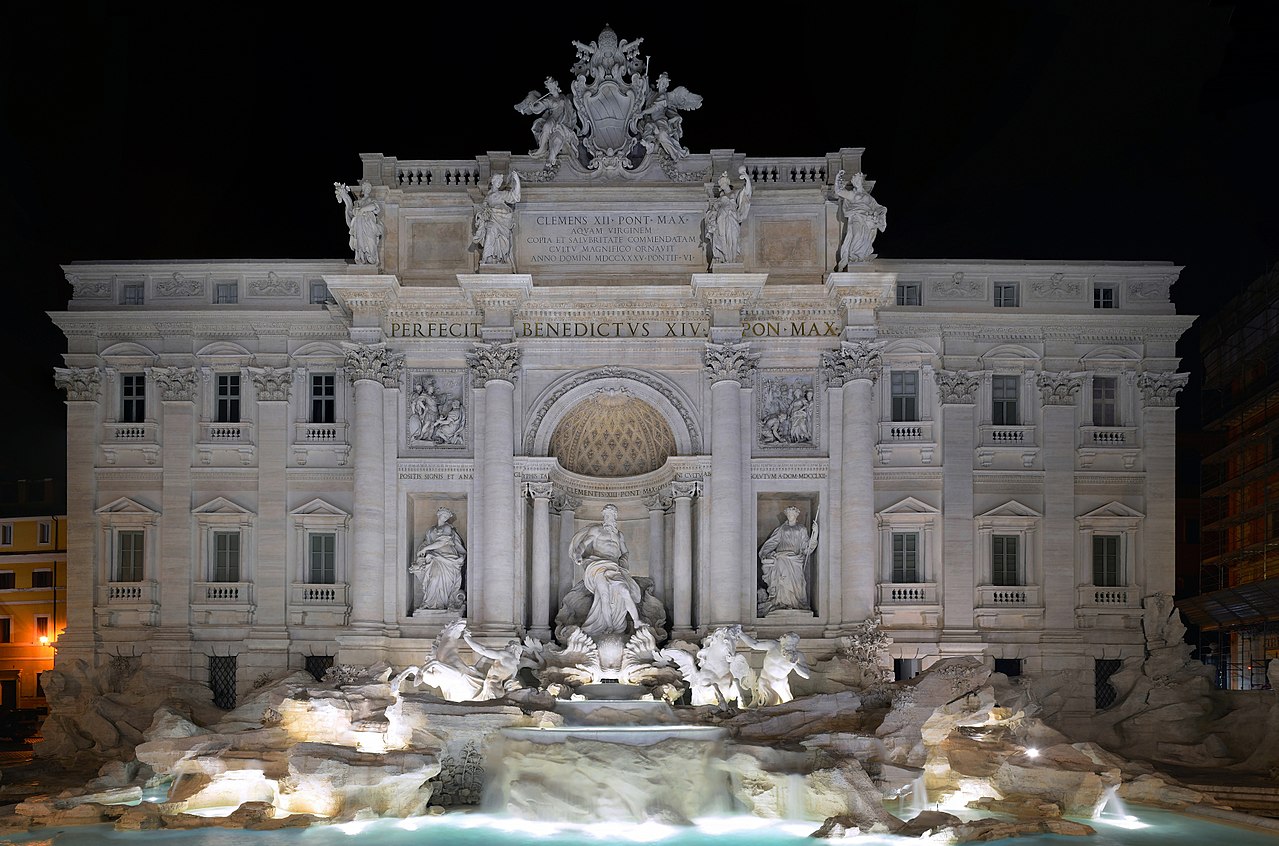


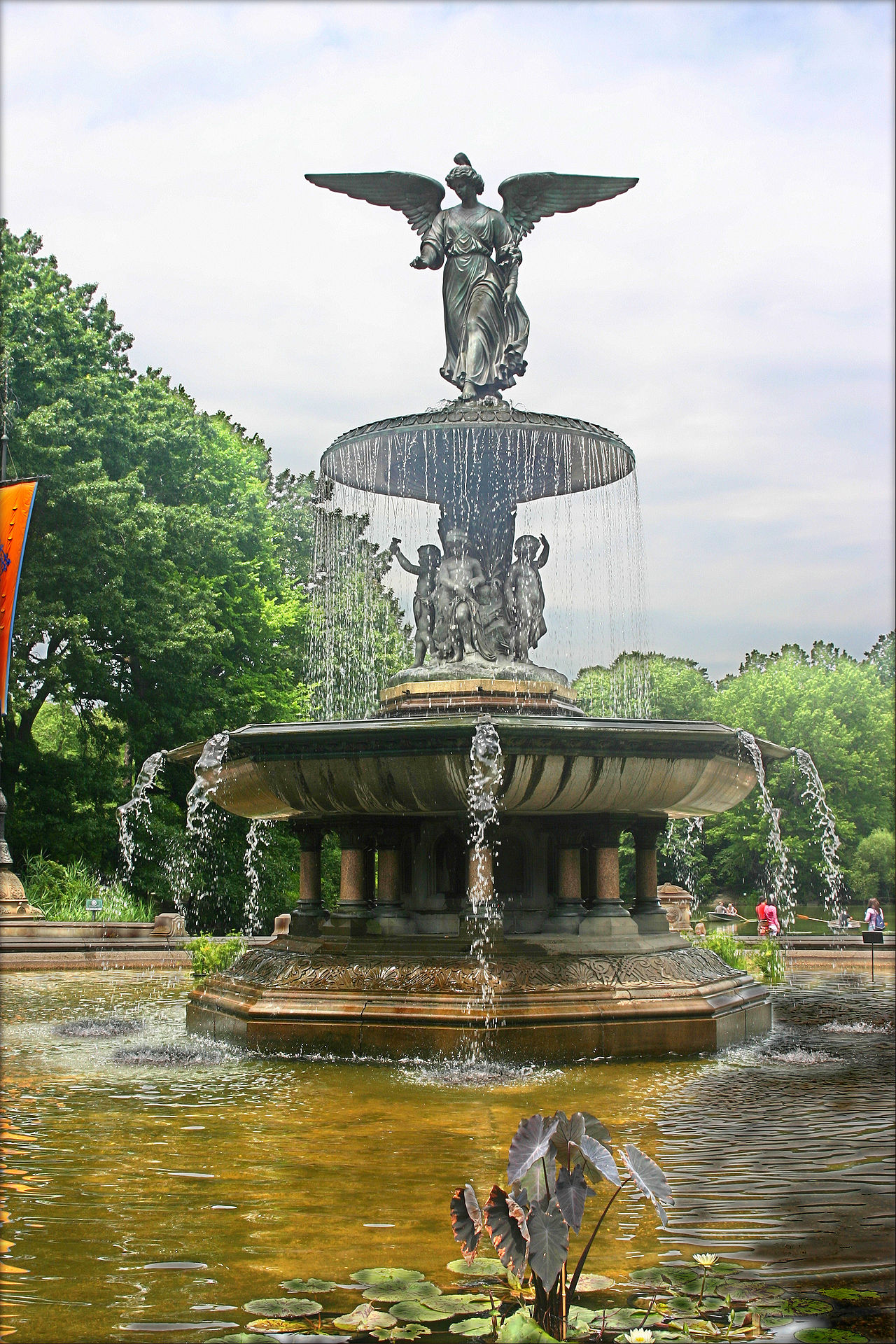

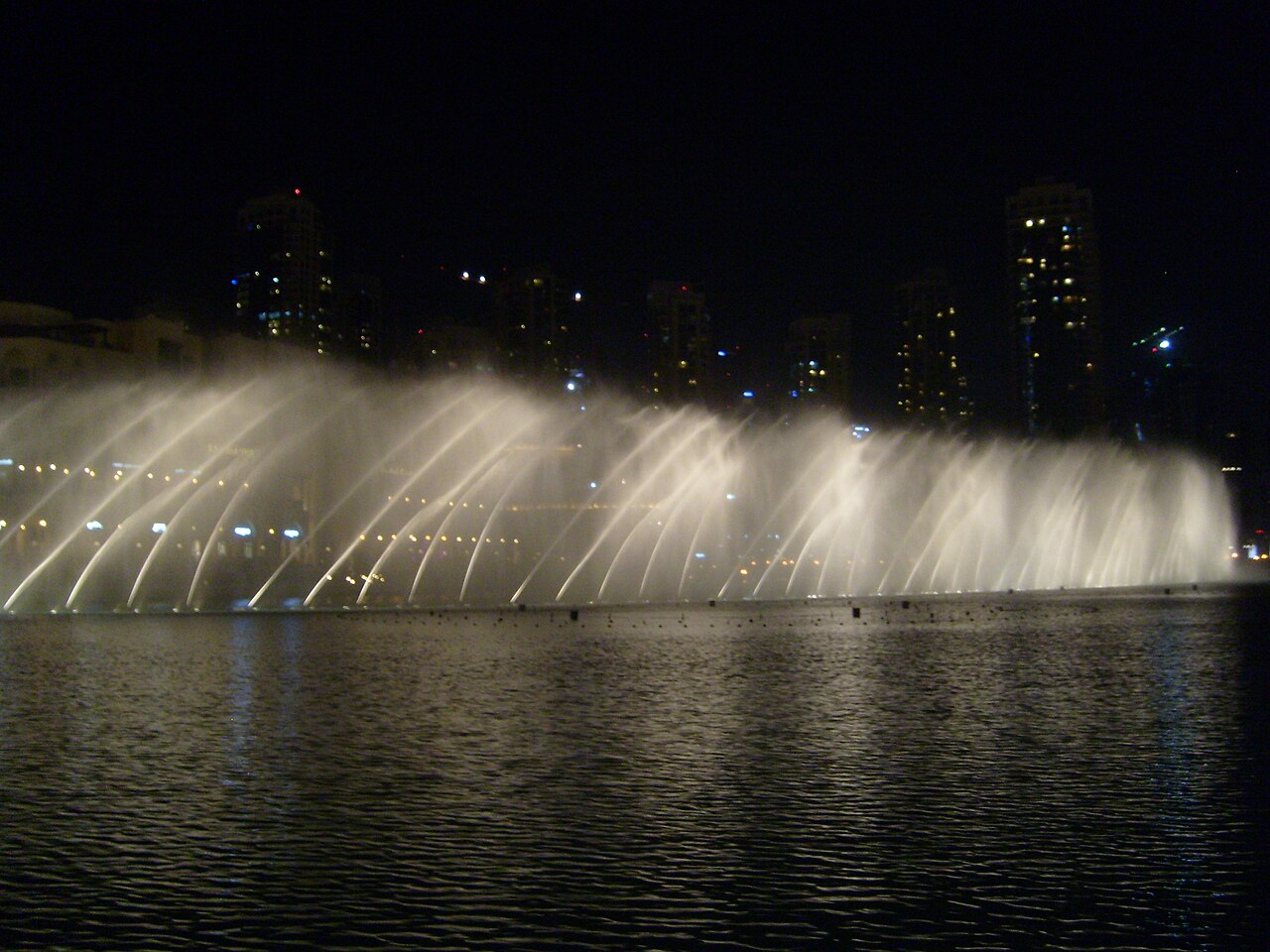


Components and common arrangements
Typical fountains include several basic elements. A basin or sequence of basins holds the circulating water, while pipes and valves convey flow. Pumps or gravity provide movement and pressure, and sculptural elements often shape how water appears. Filtration and drains are used to maintain water quality and control overflow.
- Basin: the container that holds water; might be a single bowl or multiple levels (basin).
- Pumps and plumbing: create circulation and supply jets.
- Sculpture and ornament: animals, figures, or abstract forms that interact with the flow (sculptures).
- Jets and nozzles: shape streams and sprays for aesthetic effect.
How they work
Modern fountains typically recirculate water using an electric pump and a closed plumbing loop. Water is drawn from the main basin, filtered to remove debris, pressurized, and expelled through nozzles or spouts. Gravity-fed fountains, common before electric pumps, relied on elevated sources to supply continuous flow. Jet height and spray patterns depend on available pressure and nozzle design.
History and development
Fountains have ancient roots: civilizations built wells, springs, and ornamental waterworks for ritual, utility, and display. Over centuries, techniques evolved from simple gravity-fed vessels to complex hydraulic systems that enabled high vertical jets and choreographed water shows. The use of statues and architectural settings transformed fountains into landmarks in many cities around the world.
Uses, examples, and cultural role
Fountains serve diverse purposes. Drinking fountains deliver potable water in public spaces; ornamental fountains create ambience in parks and plazas; monumental fountains commemorate events or act as civic symbols. They can also help cool microclimates, mask urban noise, and support wildlife in small ways. Many public squares incorporate fountains as gathering points and photographic attractions.
Types and notable considerations
Common types include wall-mounted fountains, tiered basins, interactive splash fountains designed for play, and music-synchronized fountain shows. Designers must consider water quality, safety, accessibility, seasonal maintenance, and energy use. Conservation-minded projects emphasize recirculation, efficient pumps, and filtration to reduce waste and environmental impact.
For further technical details about water management, historical examples, or design guides, consult specialized sources and local regulations. See also resources on mechanical systems, artistic sculpture integration, and municipal fountain programs via water utilities and planning references (source, basin, sculptures, pressure).
Related articles
Author
AlegsaOnline.com Fountain: design, function, history, and types Leandro Alegsa
URL: https://en.alegsaonline.com/art/35877