
Strait of Gibraltar — gateway between the Atlantic and the Mediterranean
Narrow, strategic channel separating Europe and Africa that links the Atlantic Ocean and Mediterranean Sea; notable for heavy shipping, complex currents, and unique ecological and historical significance.
Overview
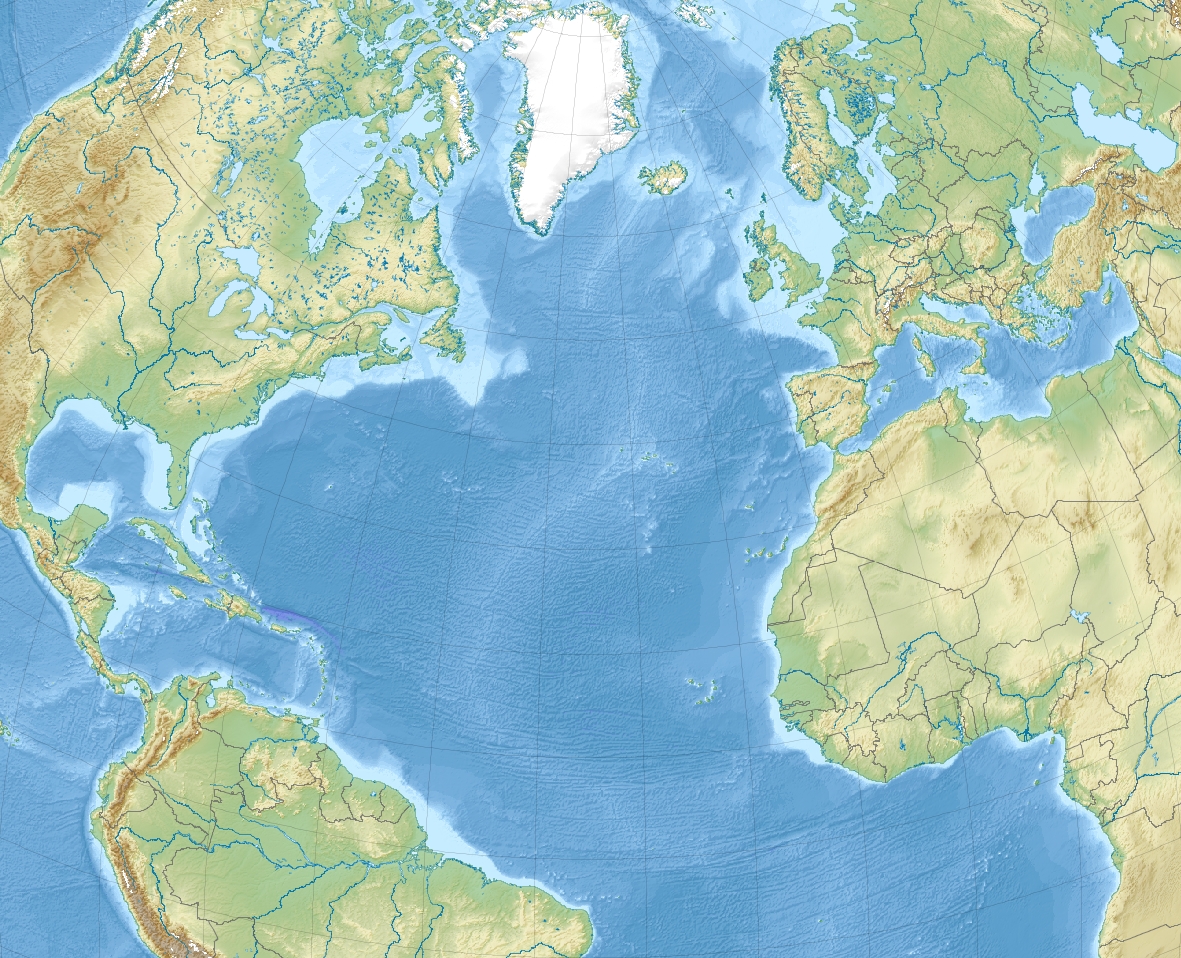
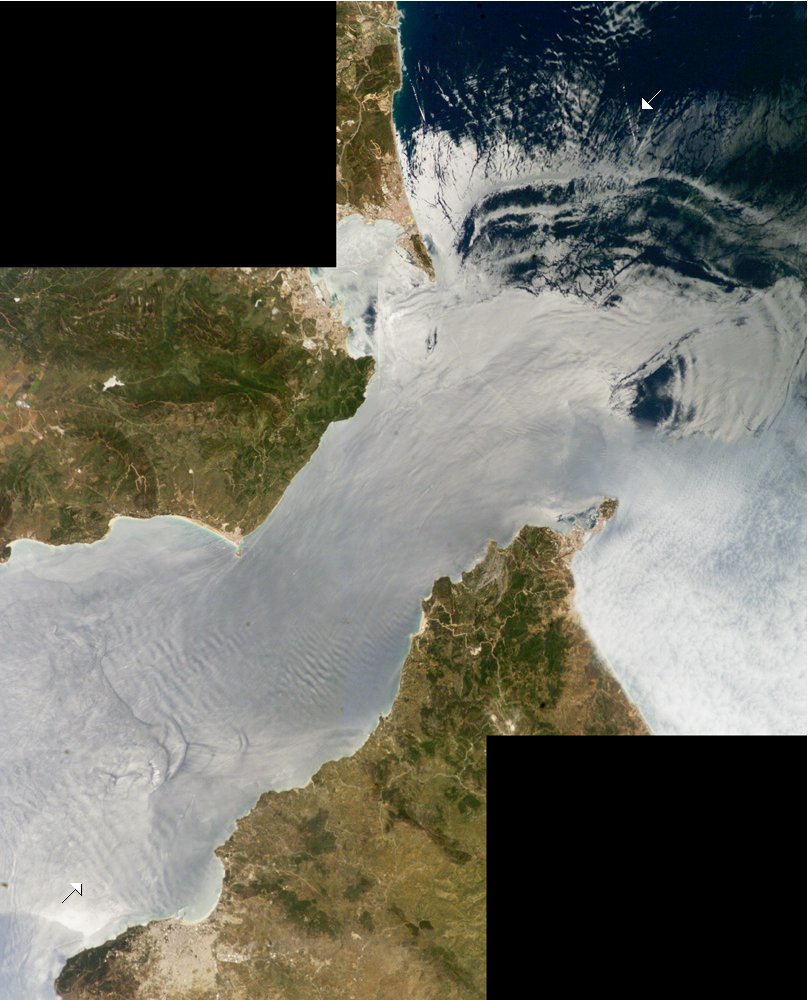
The Strait of Gibraltar is the single natural marine passage connecting the Atlantic Ocean and the Mediterranean Sea. It lies between southern Europe and northern Africa: the Spanish coast and the British territory of Gibraltar to the north, and Morocco and the Spanish enclave of Ceuta to the south. Geographically it forms the narrow entrance to the Mediterranean basin and has long acted as a crossroads for navigation, trade and cultural contact between Europe and Africa.
Image gallery
8 Images


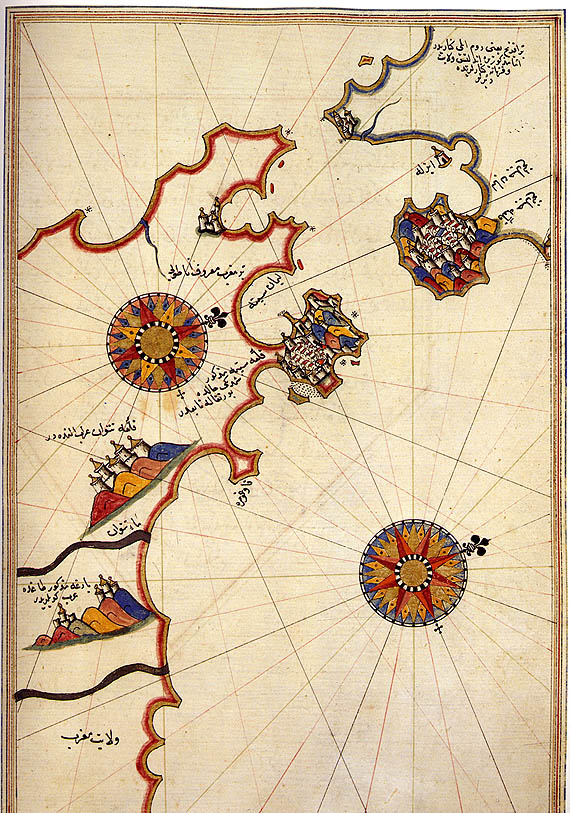
Geography and physical characteristics
The channel is relatively narrow: at its tightest point the distance between the Rock of Gibraltar and the Moroccan coast is about 7.7 nautical miles (roughly 14 km). Depths within the strait vary but commonly fall between about 300 and 900 meters. Those constrained dimensions influence currents, waves and the passage of vessels, and the seafloor contains sills and complex bathymetry that affect mixing between the two seas.
Hydrology and oceanography
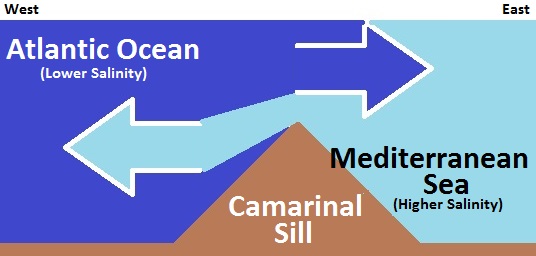
Water exchange through the strait is asymmetric. Lower‑salinity Atlantic surface water flows eastward into the Mediterranean, while denser, saltier Mediterranean water exits westward at depth. This two‑layer exchange controls salinity, heat balance and nutrient transport for the Mediterranean Sea, and it produces strong currents, turbulence and internal waves that are important to regional oceanography.
History and strategic importance
The strait has been strategically significant for millennia. Its control has mattered to ancient mariners, medieval states and modern powers because it regulates access to the Mediterranean from the Atlantic. Geological events in the deep past — including tectonic uplift and a major reflooding of the Mediterranean basin at the end of the Messinian stage — shaped the channel into its present form. Over centuries the strait influenced trade routes, naval operations and the colonization and settlement patterns in adjacent lands.
Ecology, commerce and human uses
The mixing of biogeographic provinces makes the strait an area of rich biodiversity, with species from both oceanic and Mediterranean faunas. It is a major artery for commercial shipping linking Europe, Africa and beyond, and a focal point for ferry services, fishing and offshore installations. The narrow passage also concentrates migration routes and has significant social and humanitarian implications for coastal communities on both sides.
Notable facts and distinctions
- The strait is the only natural open-water link between the Atlantic and the Mediterranean, making it globally important for ocean circulation and navigation.
- It separates the continents of Europe and Africa, and lies adjacent to politically distinct territories such as Gibraltar, Morocco and Ceuta.
- Oceanographic exchange here helps determine Mediterranean salinity and marine ecology; the interplay of currents creates challenging conditions for smaller vessels.
For those studying marine science, geopolitics or maritime history the Strait of Gibraltar remains a compact but globally significant region where physical geography, human activity and international interests converge.
Related articles
Author
AlegsaOnline.com Strait of Gibraltar — gateway between the Atlantic and the Mediterranean Leandro Alegsa
URL: https://en.alegsaonline.com/art/94156