
Strait of Singapore
Narrow maritime passage linking the Strait of Malacca and South China Sea, bordering Singapore and the Riau Islands; a key global shipping lane and regional navigation route.
Overview
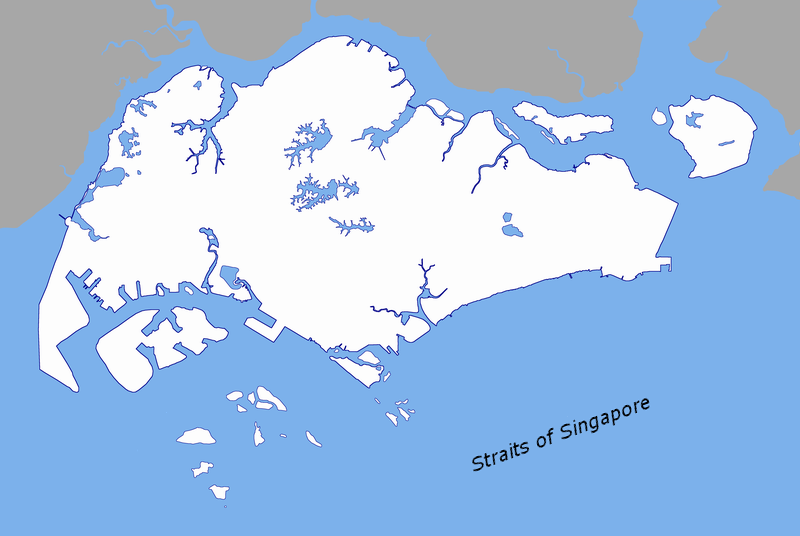
The Strait of Singapore, often called the Singapore Strait, is a relatively short but strategically important waterway that links the western approach from the Strait of Malacca with the eastern reaches of the South China Sea. It lies immediately south of the main island city-state of Singapore and north of the Indonesian Riau Islands. The passage serves as the principal maritime approach to the Port of Singapore and is a crucial segment of global east–west shipping routes.
Image gallery
9 Images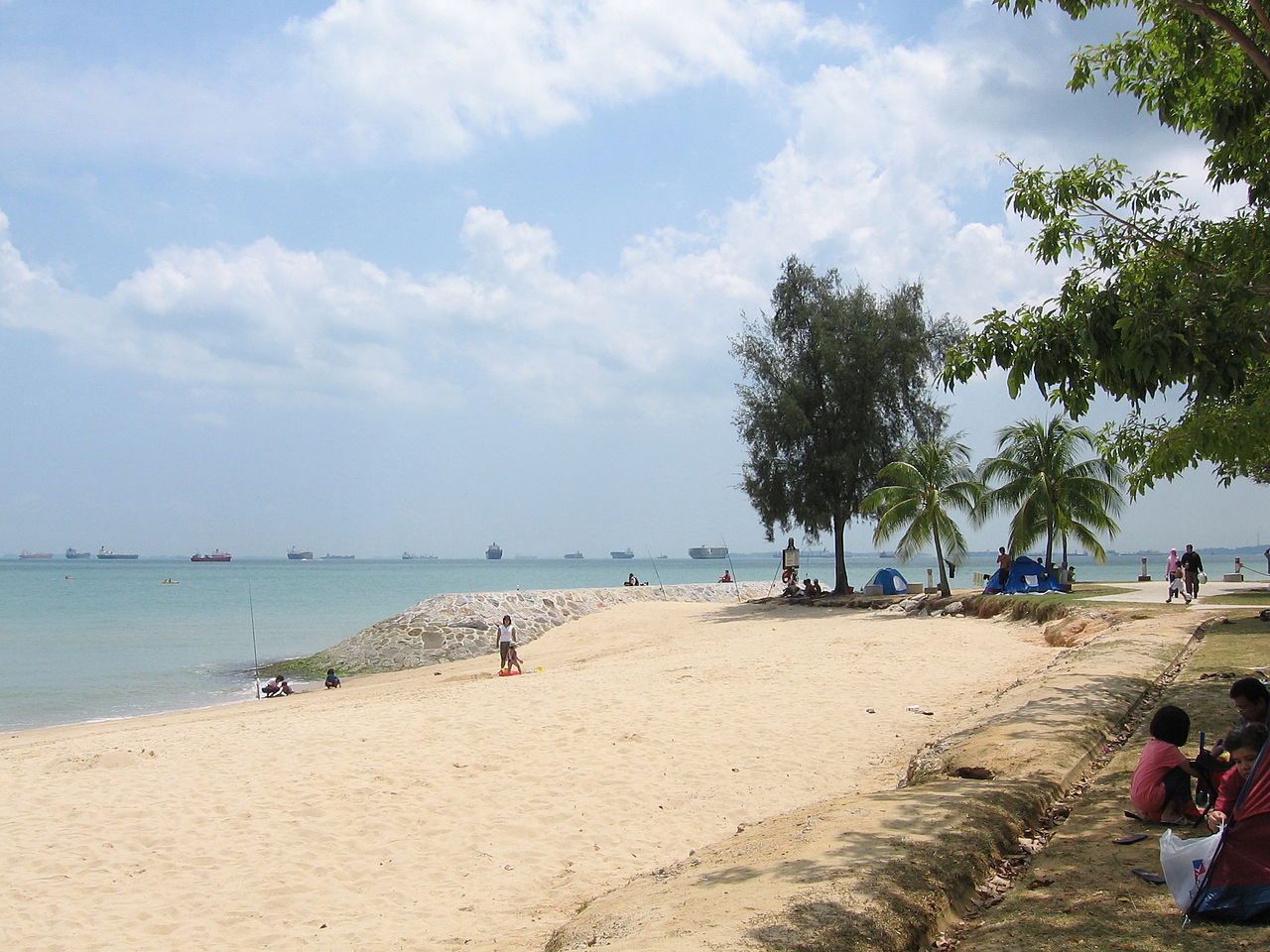




Geography and physical characteristics
The strait is roughly 114 kilometres long and about 16 kilometres at its widest point, though width and depth vary along its length. Its waters are influenced by regional tidal currents and monsoon-driven wind patterns, and the seabed includes navigational channels, shoals and sandbanks near some inshore islands. These physical features make careful navigation essential, especially for large tankers and container vessels.
Navigation, trade and maritime infrastructure
Because of its location between two major ocean regions, the Singapore Strait is one of the busiest shipping corridors in the world. It handles large volumes of crude oil, liquefied natural gas, containerized cargo and other bulk goods bound for ports in East Asia, Southeast Asia, and beyond. To manage heavy traffic and reduce collision risk, authorities operate traffic separation schemes, pilotage services and vessel traffic services; maritime pilots and tugs assist large arrivals and departures to the nearby harbor.
- Major functions: international transits, port access, bunkering and ship repairs.
- Safety measures: traffic separation, pilotage, and coordinated search and rescue capability.
- Economic role: vital link for trade between Europe, the Middle East and Asia.
History and development
The strait's significance grew as global maritime trade expanded in the 19th and 20th centuries. The rise of Singapore as a regional entrepôt and modern container port increased transit volumes. Over time, collaborative management between regional authorities has addressed issues such as navigation safety, pollution prevention and maritime security. Historical concerns such as piracy and wartime operations have given way to contemporary challenges like congestion and environmental protection.
Environment and maritime challenges
Heavy shipping creates environmental pressures including the risk of oil spills, ballast water transfers and underwater noise. Coastal reclamation and development around Singapore and adjacent islands have altered local habitats. Regional and international regulations, as well as local conservation efforts, aim to mitigate impacts while balancing the strait's economic importance.
Notable facts and distinctions
The Singapore Strait provides the most direct route into one of the world's busiest ports and is distinctive for its high-density traffic in a relatively narrow channel. It sits at the intersection of several regional jurisdictions and is managed through coordination among states. For further technical charts and navigational guidance consult official maritime authorities and navigational publications such as official charts, port notices and regional traffic advisories. General information on the strait's role in regional shipping and governance can be found via port websites and maritime agencies like Singapore's authorities and regional organizations connected to the Riau archipelago. Additional background resources include guides to the South China Sea and the connecting Strait of Malacca.
Related articles
Author
AlegsaOnline.com Strait of Singapore Leandro Alegsa
URL: https://en.alegsaonline.com/art/94161