
Amputation: causes, procedure, rehabilitation and history
Amputation is the surgical removal or traumatic loss of a limb or part of the body. This article explains causes, types, procedure, rehabilitation, prosthetics and historical or legal uses.
Amputation is the removal of a limb or other body part, either intentionally through surgery or unintentionally through trauma. People who have lost an arm, leg, finger, or other appendage are commonly called amputees. The goal of a medically indicated amputation is to remove diseased, nonviable, or dangerously infected tissue when other treatments cannot preserve function or life.
Image gallery
10 Images
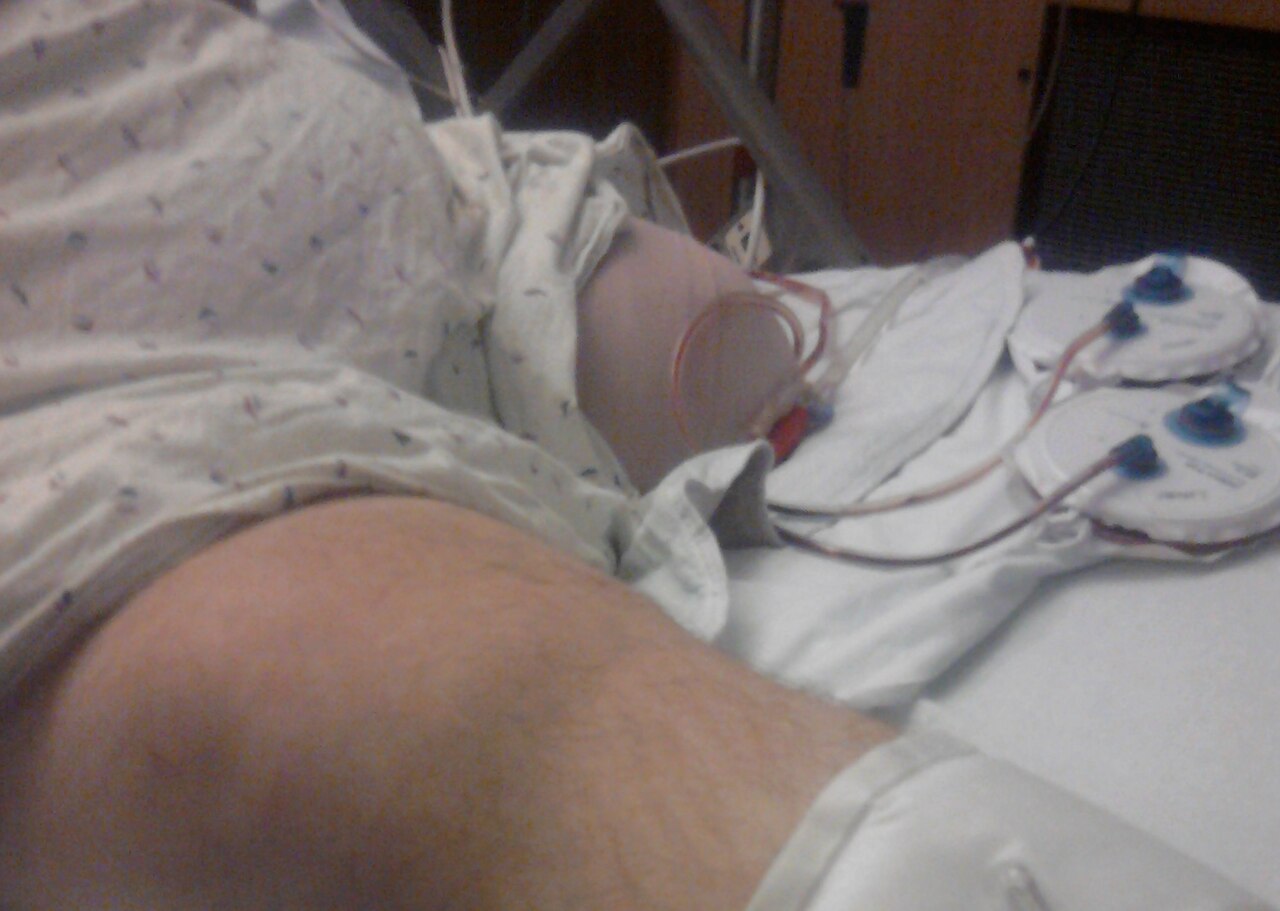

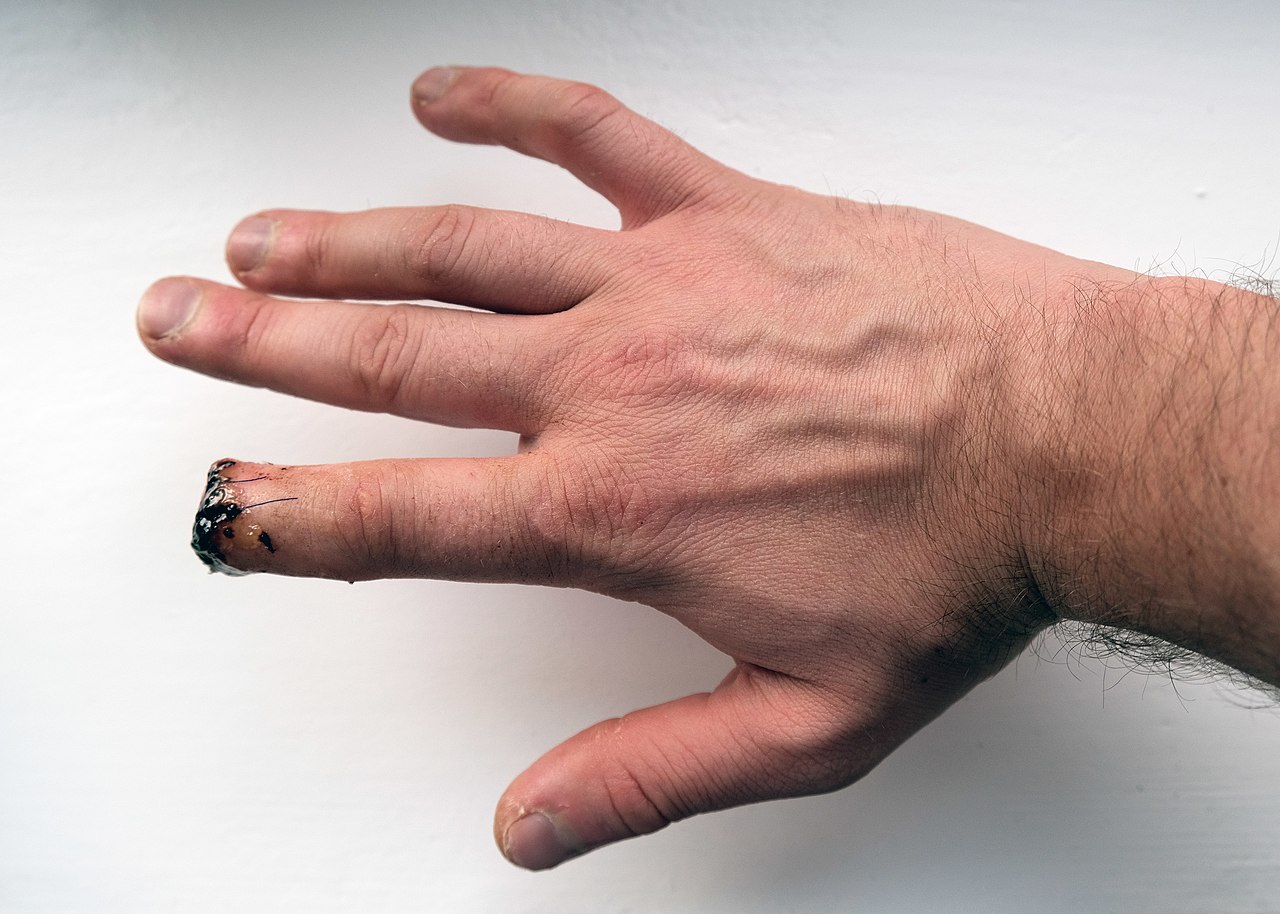


Causes and indications
Medical reasons for amputation include severe peripheral vascular disease, uncontrolled infection (including gangrene), malignant tumors in bone or soft tissue, and congenital differences. Traumatic amputation can result from accidents, industrial injuries, or warfare. In some societies and historical contexts, amputation has also been applied as corporal punishment; see historical accounts and legal discussions here. For clinical guidance and resources, consult dedicated medical references here.
Types and levels
- Minor amputations: removal of fingers, toes, or parts of the foot or hand.
- Major amputations: removal of an entire limb segment, such as below-knee, above-knee, below-elbow, or above-elbow.
- Disarticulation: removal through a joint (for example, shoulder disarticulation).
Surgical process and immediate care
Elective amputation is planned and performed under anesthesia with attention to shaping the residual limb (stump) to promote healing and future prosthetic fitting. Surgeons control bleeding, preserve as much viable tissue as possible, and attempt to maintain joint function. Traumatic amputations require rapid hemorrhage control, infection prevention, and assessment for replantation when feasible.
Rehabilitation and prosthetics
Rehabilitation begins early and involves pain management, wound care, physical therapy, and occupational therapy to restore mobility and independence. Prosthetic technology ranges from simple passive devices to advanced myoelectric and microprocessor-controlled limbs that restore complex movements. Psychological support and social rehabilitation are critical components of long-term recovery.
Complications and outcomes
Complications can include infection, delayed healing, phantom limb pain, and reduced mobility. Outcomes depend on the level of amputation, patient health, and access to rehabilitation and prosthetic services. Historical, cultural, and ethical aspects of nonmedical amputation continue to be subjects of legal and human-rights discussion.
Related articles
Author
AlegsaOnline.com Amputation: causes, procedure, rehabilitation and history Leandro Alegsa
URL: https://en.alegsaonline.com/art/3664