
Sultan Ahmed Mosque (Blue Mosque), Istanbul
Historic early 17th-century Ottoman mosque in Istanbul, famed for its blue tile interior, six minarets, and role as both a place of worship and major landmark.
Overview
The Sultan Ahmed Mosque, better known as the Blue Mosque, is a major historic mosque in Istanbul situated on the old city's skyline. Commissioned by Sultan Ahmed I and completed in the early 17th century, it combines imperial mosque functions with a complex of social institutions. It remains an active house of worship and a leading cultural and tourist destination in Turkey.
Image gallery
10 Images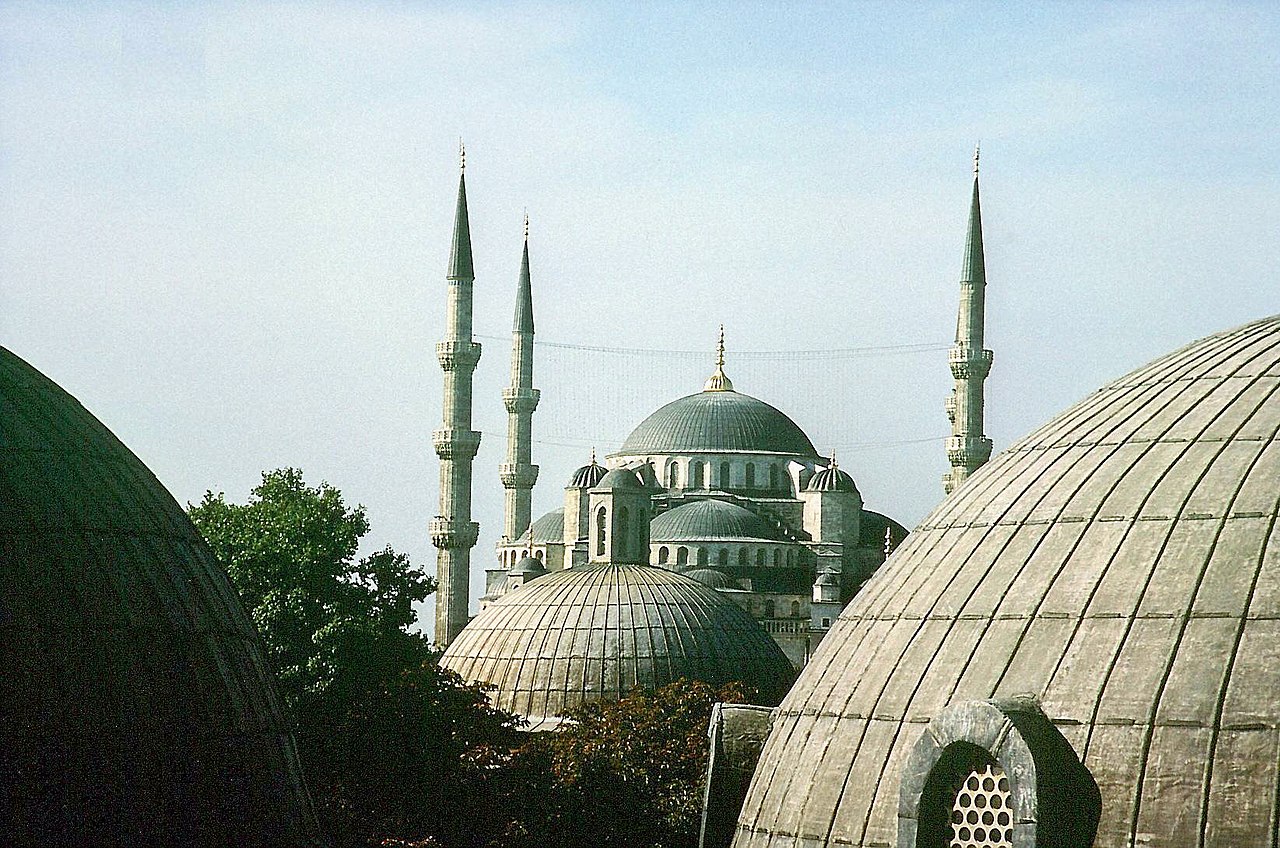




Architecture and interior
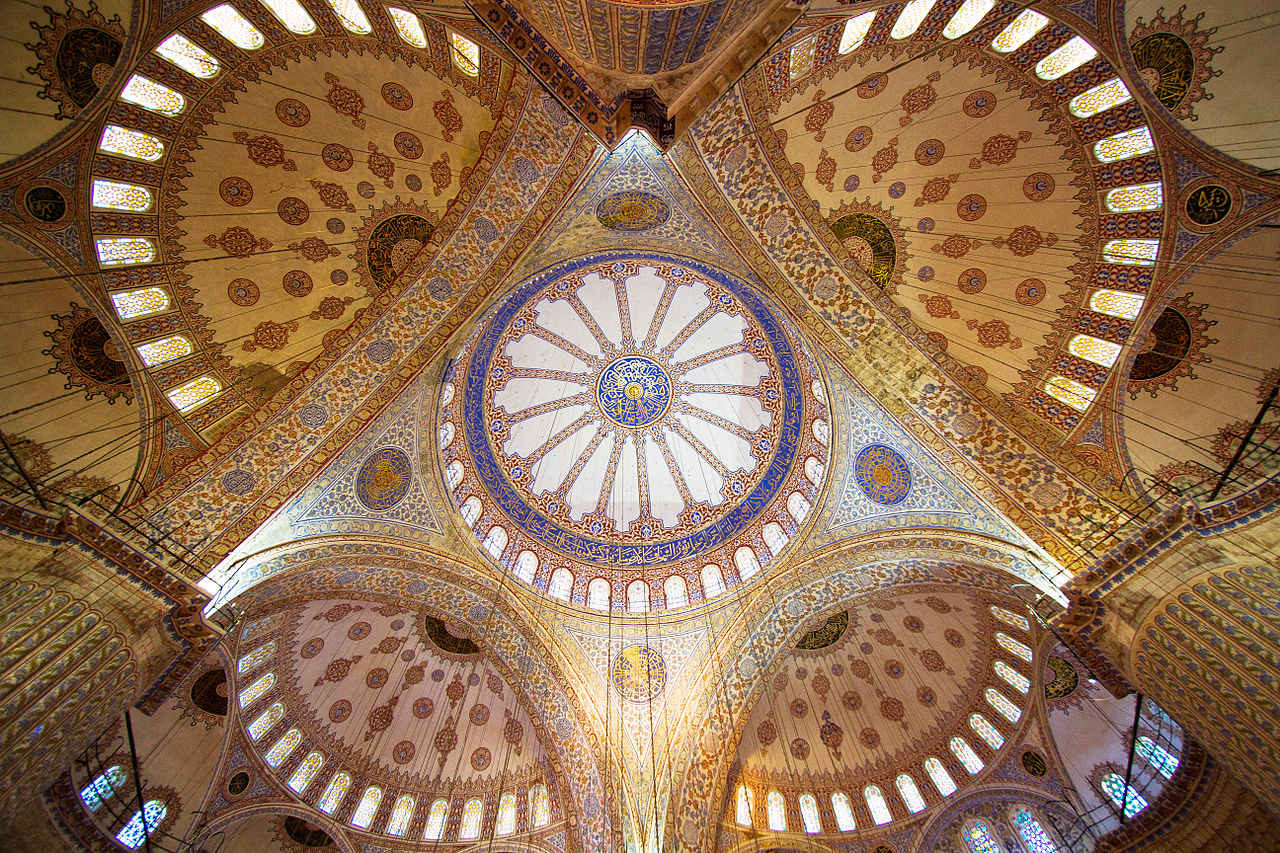
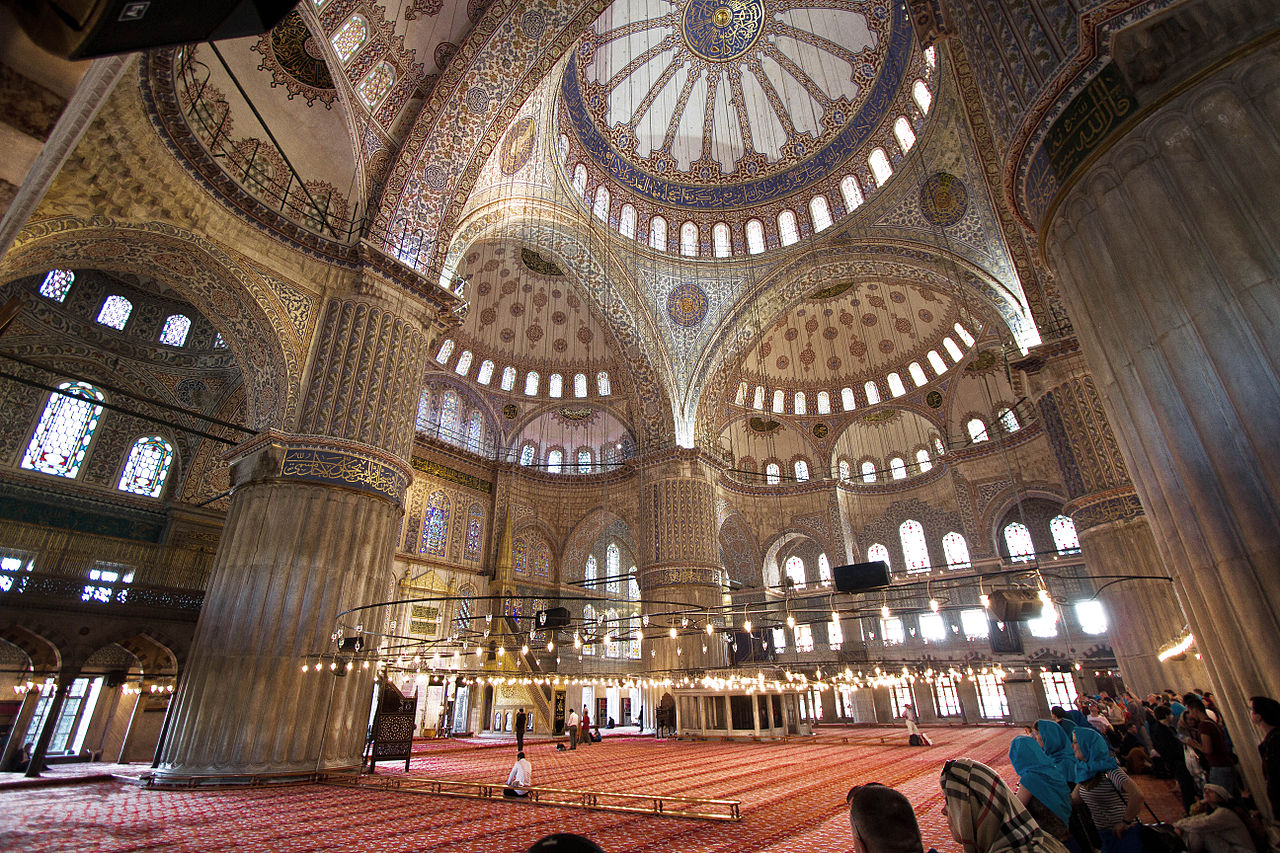
Designed by Sedefkar Mehmet Agha, a pupil of the imperial architect Sinan, the mosque is notable for its large central dome surrounded by cascading semi-domes, a broad courtyard, and a striking array of six slender minarets. The interior is famed for thousands of Iznik-style blue tiles that give the mosque its popular name and for its stained glass windows, calligraphic panels, and finely detailed ornamentation. Contemporary accounts describe the decorative work as meticulous and jewel-like.
History and complex
Construction took place during the reign of Sultan Ahmed I (1609–1616) as part of a larger külliye, or religious and social complex. In addition to the mosque itself, the complex historically included a madrasa and a hospice or imaret, and the tomb of the founder is located within the precinct. The project expressed both piety and imperial prestige during the later Ottoman period and sought to rival earlier imperial mosques.
Uses and visiting today
The Blue Mosque continues to serve regular Muslim worship while also attracting large numbers of visitors. As an active mosque, it closes to tourists during prayer times and asks visitors to observe modest dress and respectful behavior. Guided tours and general sightseeing commonly highlight its tile work, dome structure, and views across the historic Sultanahmet area.
Notable facts and distinctions
- The mosque is often cited for having six minarets, an unusual number for imperial mosques of the era.
- Its interior decoration blends traditional Ottoman geometric and floral motifs with the high-quality ceramic tiles produced in Iznik.
- The building sits near other landmarks of the old city and forms a central element of Istanbul's historic peninsula, linking religion, architecture, and urban history.
For more detailed historical studies or visitor information see resources connected to the mosque and the city: Sultan Ahmed Mosque, Ottoman Empire, and additional local guides that discuss the associated madrasa and hospice.
Related articles
Author
AlegsaOnline.com Sultan Ahmed Mosque (Blue Mosque), Istanbul Leandro Alegsa
URL: https://en.alegsaonline.com/art/94744
Sources
- english.istanbul.gov.tr : "SULTAN AHMET MOSQUE (THE BLUE MOSQUE)"
- sacred-destinations.com : "Blue Mosque, Istanbul"
- frommers.com : "Blue Mosque (Sultan Ahmet Camii)"