
Steam turbine: principles, design, history and applications
A steam turbine is a rotary heat engine that converts pressurized steam energy into mechanical work. Used widely for electricity generation, marine propulsion and industrial drives, its design and fuel sources vary.
Overview
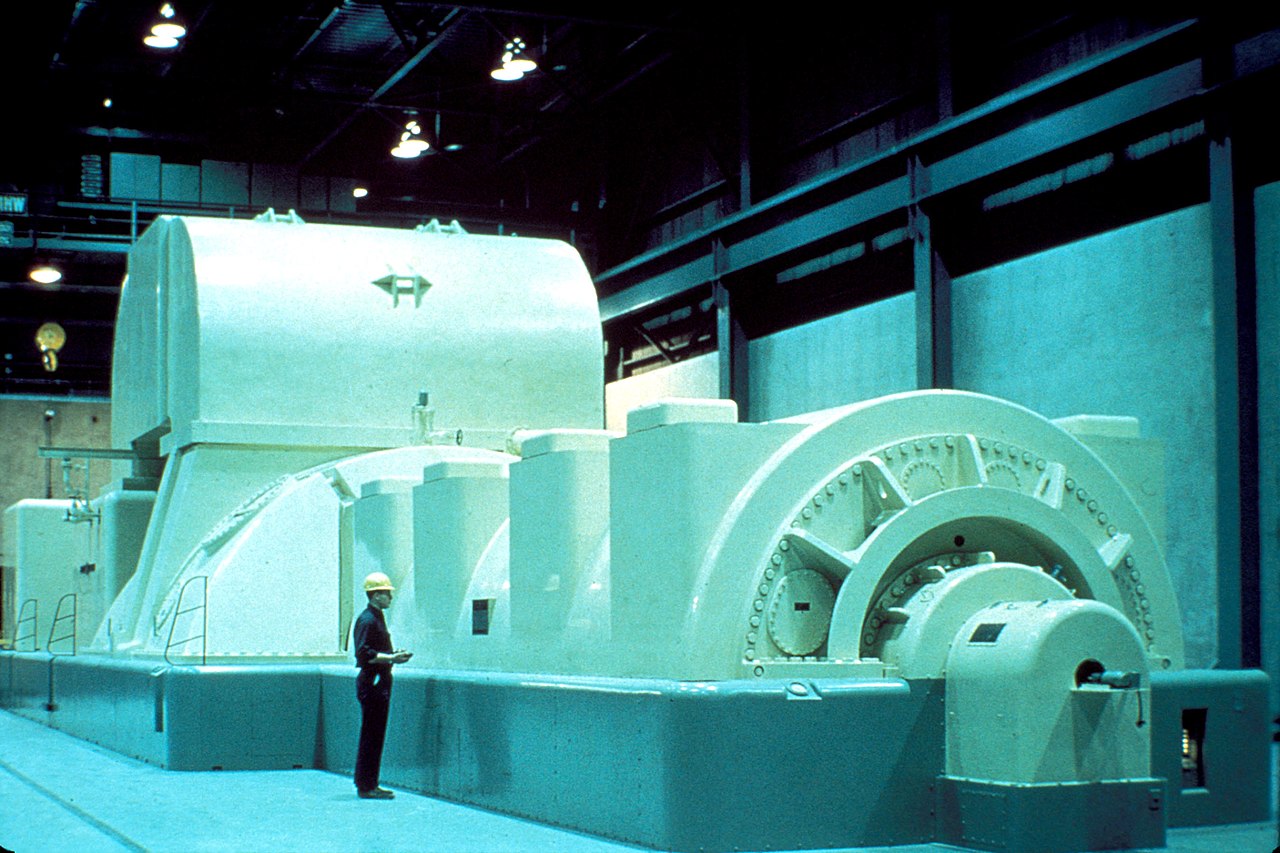
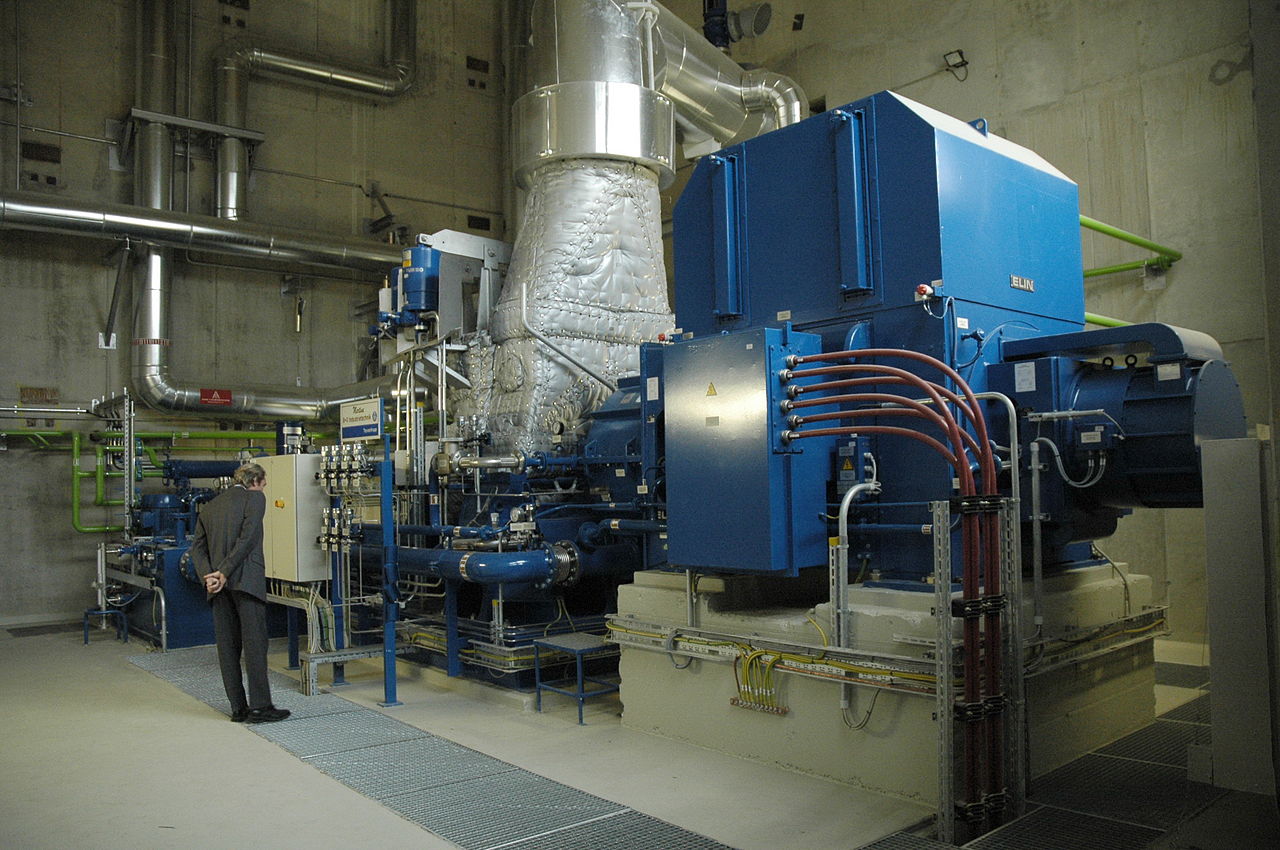
A steam turbine is a rotary device that converts the thermal energy of pressurised steam into mechanical power by directing the steam flow over moving blades. The turbine shaft delivers continuous torque and high rotational speed, making it well suited to drive an electrical generator to produce electricity or to power marine propellers and industrial machinery.
Image gallery
10 Images





Design and main parts
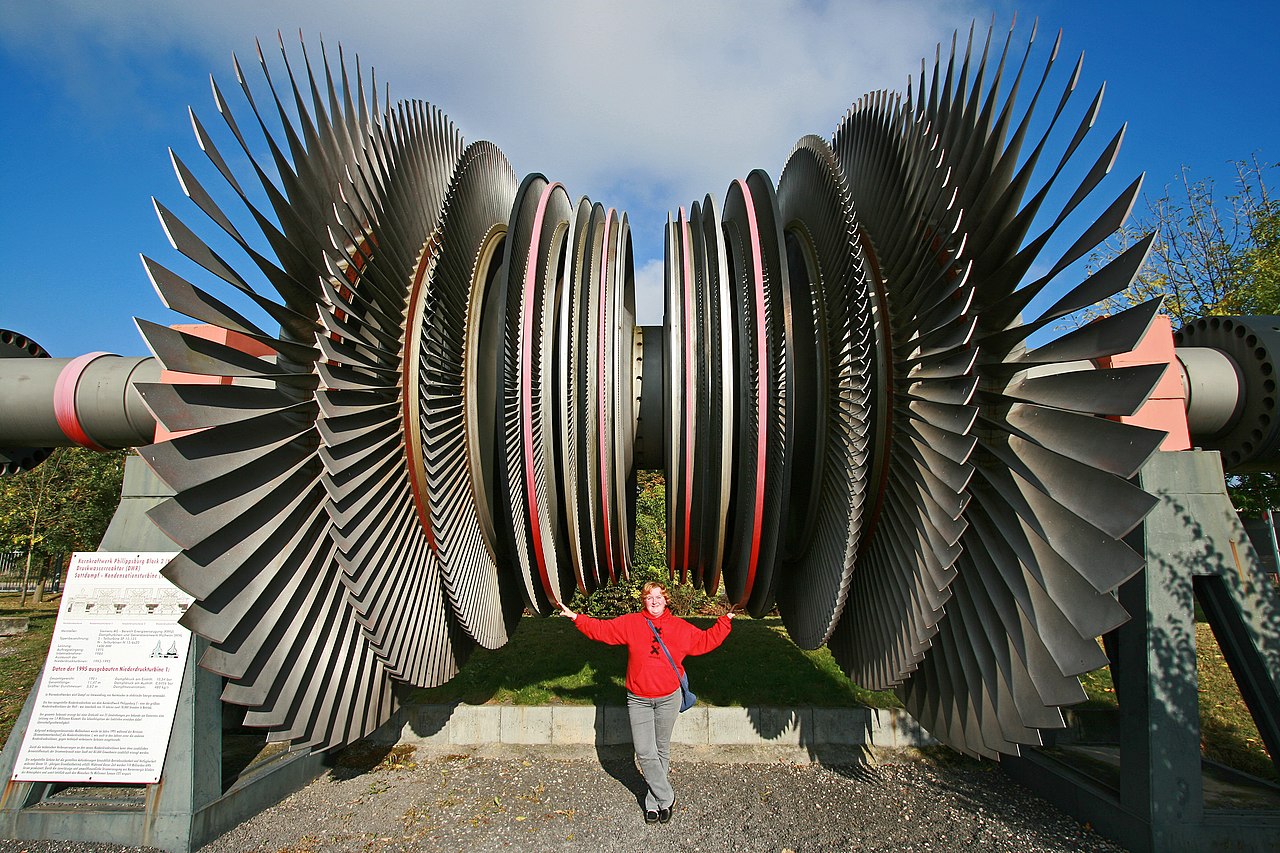
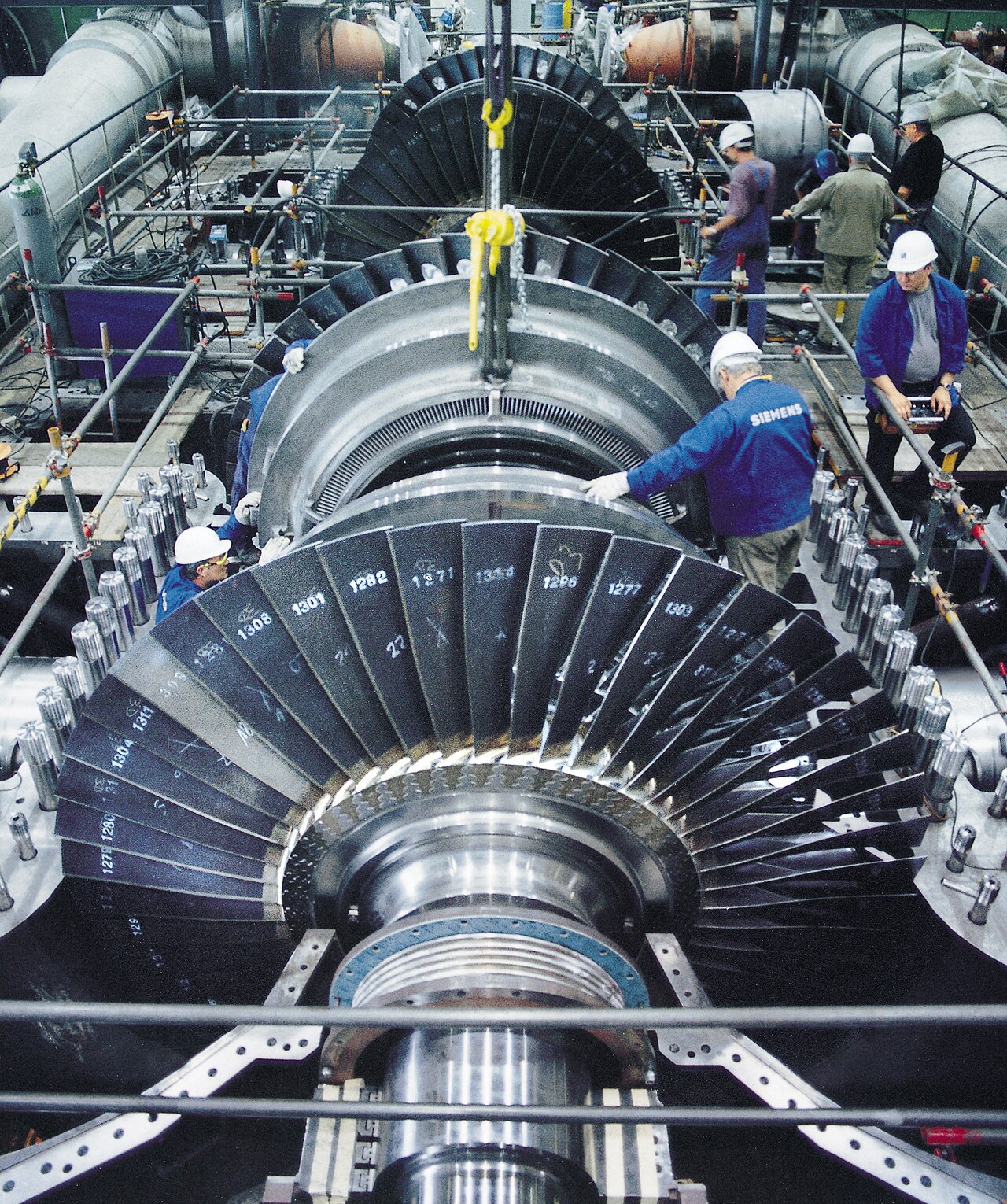
Steam turbines are built from several principal components that work together to extract energy from expanding steam. Typical elements include:
- Rotor and blade rows (stator and rotor) that convert fluid momentum into shaft rotation.
- Casing and steam inlet that direct and contain the steam flow.
- Governor and seals to regulate speed and minimize leakage.
- Condenser and exhaust system to condense spent steam for reuse in many plants.
Two general blade-action principles are used: impulse (where high-speed jets strike blades) and reaction (where pressure drop across the blades produces thrust). Mechanical conversion is the essence of the machine: the steam’s energy is removed and translated into mechanical rotation.
History and development
Steam turbines emerged in the late 19th century as engineers sought more efficient, continuous rotary engines than reciprocating steam engines. Early innovators produced impulse designs and then multi-stage reaction-type machines that enabled higher power and smoother operation. Advances in metallurgy, blade aerodynamics and sealing improved reliability and permitted very large units used in modern power generation.
Fuel sources, applications and importance
Steam turbines operate wherever heat can make high-pressure steam. Heat sources include fossil fuels such as coal, refuse incineration, industrial waste heat, concentrated solar thermal fields, geothermal reservoirs and nuclear reactors (nuclear). They are central to large-scale electricity plants, combined heat and power installations, and ship propulsion. Combined-cycle plants pair gas turbines with steam turbines to increase overall efficiency.
Performance, environmental notes and distinctions
Performance depends on size, steam conditions and cycle design (commonly the Rankine cycle). Larger, high-pressure, high-temperature units achieve greater thermal efficiency. Environmental impacts relate to the heat source: turbines themselves emit no combustion products, but the fuel and heat generation method determine greenhouse gases and pollutants. Notable distinctions include single-phase versus condensing designs and simple versus regenerative feedwater heating for improved efficiency.
For further technical references and detailed component diagrams see manufacturer guides and engineering texts: overview, steam properties, thermodynamics, mechanical conversion, rotor dynamics, generators, power systems, fuel types and nuclear integration.
Related articles
Author
AlegsaOnline.com Steam turbine: principles, design, history and applications Leandro Alegsa
URL: https://en.alegsaonline.com/art/93614