
Statue of Liberty National Monument
A United States national monument preserving the Statue of Liberty, Liberty Island, and Ellis Island; its history, components, public uses, and significance are explained.
Overview
The Statue of Liberty National Monument is a protected area of the United States that preserves a collection of historic sites in New York Harbor. The designation encompasses two principal islands and the internationally recognized statue on Liberty Island. The monument combines architectural, cultural and immigration-related heritage elements in a single federal designation.
Image gallery
4 Images


Components and features
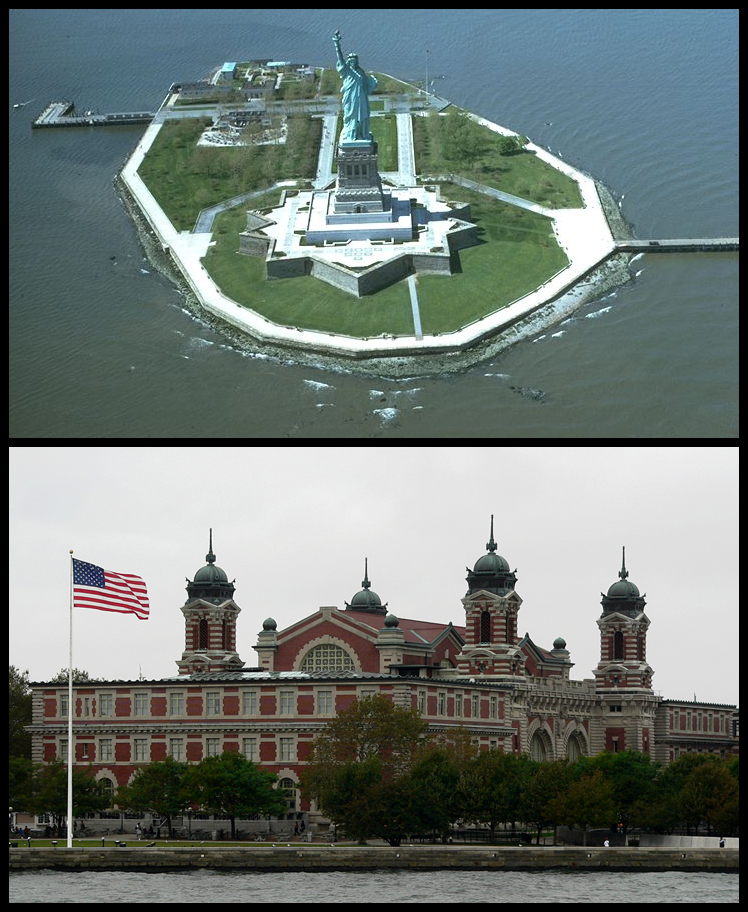
The national monument consists principally of two islands: Ellis Island and Liberty Island. Liberty Island is the home of the Statue of Liberty, a large neoclassical sculpture that functions as the focal point of the site. Ellis Island contains immigration-era buildings and the Ellis Island National Museum of Immigration, which interprets the arrival experience of millions of immigrants.
History and development
The area was established as a national monument in the early 20th century to protect the statue and nearby historic resources. The protected footprint evolved over time to include additional islands and buildings of national importance. Changes in designation and management reflected a growing interest in conserving both the symbolic statue and the physical sites tied to immigration history.
Administration and public use
Today the monument is managed for preservation, visitor interpretation and education. It accommodates tours, museum exhibits and public programs that explain the statue’s symbolism and Ellis Island’s role in American immigration. Ferry services carry visitors to the islands, and guided and self-guided tours are common ways the public experiences the site.
Significance and notable facts
- The Statue of Liberty serves as an international symbol of freedom and welcome, and is the most prominent feature of the monument complex.
- Ellis Island is closely associated with the processing of immigrants to the United States and now houses museum exhibits about that history.
- The monument preserves both architectural fabric and documentary history, making it important to cultural heritage and public memory.
Visiting and distinctions
The site is accessible to the public, with facilities and interpretive resources available for visitors. Because the monument combines symbolic art, historic buildings and interpretive museums, it is notable as a place where civic symbolism and immigration history are presented together. For those researching American immigration or iconic national symbols, the site offers primary material and well-developed museum interpretation.
For more official details and planning a visit, related resources are available through federal and park service outlets that administer and interpret this national monument.
Related articles
Author
AlegsaOnline.com Statue of Liberty National Monument Leandro Alegsa
URL: https://en.alegsaonline.com/art/93567
Sources
- cr.nps.gov : "National Monument Proclamations under the Antiquities Act"
- libertyellisfoundation.org : "Ellis Island Time"