
Stele: Upright Inscribed Slab Used for Memory and Record
A stele is an upright stone or wooden slab inscribed, carved or painted to mark graves, record laws or commemorate persons and events across many cultures.
A stele (plural: stelae) is an upright slab, typically stone or wood, erected so its surface can be read or viewed. Its most common purpose is to preserve a memory—of a person, an event, a legal text, a boundary or a religious dedication. Stelae usually have a taller-than-wide profile and present inscriptions, carved reliefs or painted decoration on one or more faces so that passersby can see names, titles, images and short texts.
Image gallery
10 Images


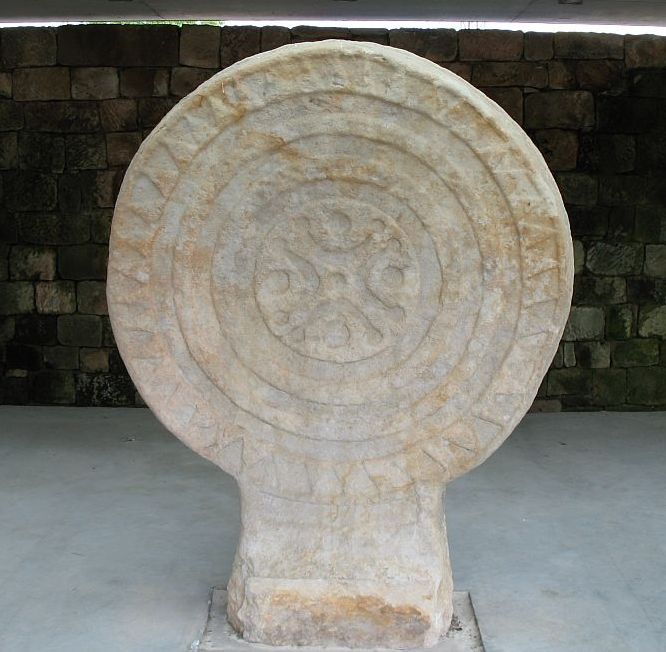


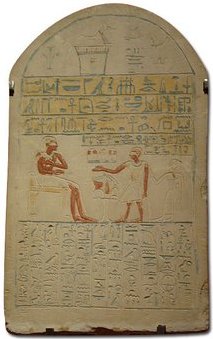
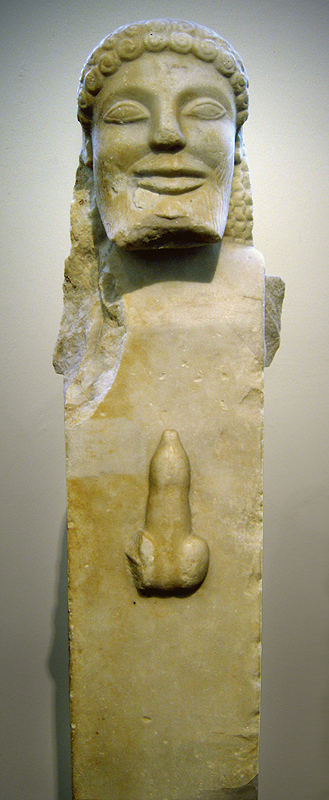


Characteristics and common forms
Although materials and styles vary widely, several basic features recur:
- Material: durable stone (limestone, granite, basalt) is frequent; wood and metal are less common but also used.
- Surface treatment: incised writing, raised or sunk relief sculpture, and sometimes painted pigments.
- Function: funerary markers, votive dedications, boundary markers, victory or public commemoration, and legal proclamations.
- Placement: set in cemeteries, temples, civic spaces or alongside roads where they are visible to the intended audience.
Many cultures developed distinctive stelae types — grave stelae for burials, votive stelae for offerings, and monumental law stelae that record legal codes or royal inscriptions.
History and geographic range
The stele as a medium appears early in the archaeological record and is widespread across Eurasia and Africa. In the ancient Near East and Egypt, inscribed stelae recorded royal achievements and land grants. Greek and Roman societies used funerary and honorific stelae, often with portrait reliefs. East Asian cultures, notably China, developed large carved stone tablets that combined calligraphy and historical record. Over time the form adapted to local materials, scripts and artistic conventions, but retained the central role of making statements visible and durable.
Some well-known objects commonly described as stelae include royal inscriptions and bilingual texts that helped scholars decipher ancient languages. These monuments demonstrate how stelae function as both art and public documentation.
Uses, significance and conservation
Stelae have served legal, commemorative and religious needs: marking graves, proclaiming laws, recording treaties or dedicating offerings. Their durability makes them valuable sources for historians, linguists and archaeologists. Many surviving stelae are subject to conservation concerns: weathering, erosion, reuse in later buildings, and removal from original contexts can complicate interpretation and preservation.
For an introduction to stelae in different regions and periods, see More about stelae.
Questions and answers
Q: What is a stele?
A: A stele is a stone or wooden slab that is built to help people remember something.
Q: How is a stele typically shaped?
A: A stele is typically taller than it is wide.
Q: What is usually inscribed, carved or painted onto a stele?
A: The names and titles of the person or thing that shall be remembered are usually inscribed, carved or painted onto a stele.
Q: What is the purpose of a stele?
A: The purpose of a stele is to help people remember something when they look at it.
Q: Is a stele usually made of stone, wood, or both?
A: A stele can be made of both stone and wood.
Q: How is the person to be remembered typically represented on a stele?
A: The names and titles of the person to be remembered are typically represented on a stele.
Q: Can a stele be decorated in other ways besides having names and titles inscribed on it?
A: Yes, a stele can also be decorated with relief carvings or paintings.
Related articles
Author
AlegsaOnline.com Stele: Upright Inscribed Slab Used for Memory and Record Leandro Alegsa
URL: https://en.alegsaonline.com/art/93701