
Ellis Island: Gateway for Immigrants to the United States
Historic federal immigration station in Upper New York Harbor (1892–1954) that processed millions of arrivals; today a restored museum and part of the Statue of Liberty National Monument.
Overview
Ellis Island is a small island in Upper New York Harbor that served as the principal federal immigration station for people arriving to the United States by sea from 1892 until 1954. Widely remembered as a point of arrival, the island processed administrative paperwork, medical inspections and legal interviews. While many passed through quickly, some were detained, hospitalized or returned to their ports of origin. The site has since been restored and interpreted for the public as a museum and memorial.
Image gallery
10 Images


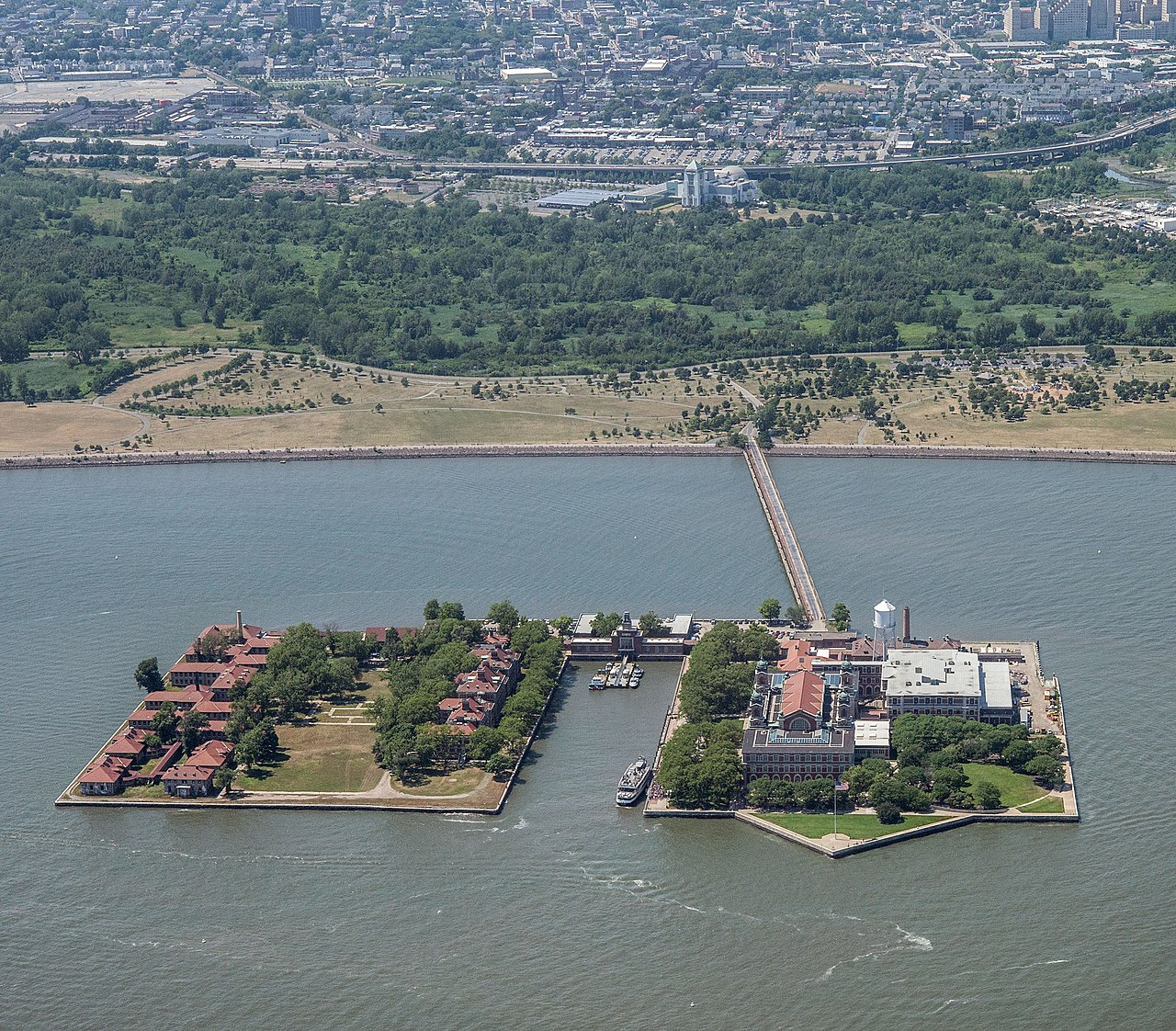


Location and geography
The island lies north of Liberty Island, home to the Statue of Liberty, and is closely connected to the wider New York City metropolitan area. Changes to the island's shorelines and the construction of new buildings expanded its footprint over time. Ferries operate from Manhattan and New Jersey to transport visitors to the museum complex on the island.
History and operations
Federal operations on Ellis Island began in 1892, superseding earlier Manhattan facilities. Officials screened arriving immigrants through medical checks and legal questions to determine admissibility. The process reflected public-health concerns and immigration law of the era; some people were detained in dormitories or transferred to hospitals on the island. In addition to those bound for U.S. destinations, a portion of arrivals continued on to other countries or transited through the port on their way to destinations such as Canada or other regions.
Layout, records and procedures
The complex included a main registry building, hospital wards, administrative offices and housing for staff and detainees. Inspectors recorded names, ages, ports of origin and intended destinations; passenger manifests and medical cards were created for administrative and historical purposes. These archival records are now essential resources for genealogical and scholarly research.
Later history, museum and commemoration
After immigration processing ended in 1954 the island buildings gradually fell into disrepair. Restoration work in the late 20th century converted portions of the site into a museum that interprets the story of migration, public health screening, and immigrant experience. The island is administered as part of the Statue of Liberty National Monument and offers exhibits, educational programs and access to passenger records for visitors and researchers.
Legacy
- Ellis Island is a widely known symbol of arrival and of the complex social, legal and medical systems tied to national borders.
- Its records are consulted by genealogists tracing family histories and by historians studying migration, port administration and urban development.
- Visitors commonly compare the island's history with nearby landmarks and interpretive resources available through the island museum and related institutions.
- The island's role in transatlantic migration is often discussed alongside migration to and through neighboring countries such as Canada and broader patterns of global movement.
For more information, consult official visitor resources, museum publications and primary-record collections maintained by custodial agencies and heritage organizations that document the lives and experiences of those who passed through this historic entry point.
Related articles
Author
AlegsaOnline.com Ellis Island: Gateway for Immigrants to the United States Leandro Alegsa
URL: https://en.alegsaonline.com/art/30969