
Liberty Island
Small, uninhabited island in New York Harbor that hosts the Statue of Liberty; a national monument and symbol of freedom administered by the U.S. National Park Service.
Overview
Liberty Island is a small, uninhabited island in New York Harbor in the United States. It is best known as the site of the Statue of Liberty, one of the nation’s most recognizable landmarks and a frequent destination for visitors from around the world. Although compact in area, the island's cultural and symbolic importance greatly exceeds its physical size.
Image gallery
10 Images


Physical characteristics and features
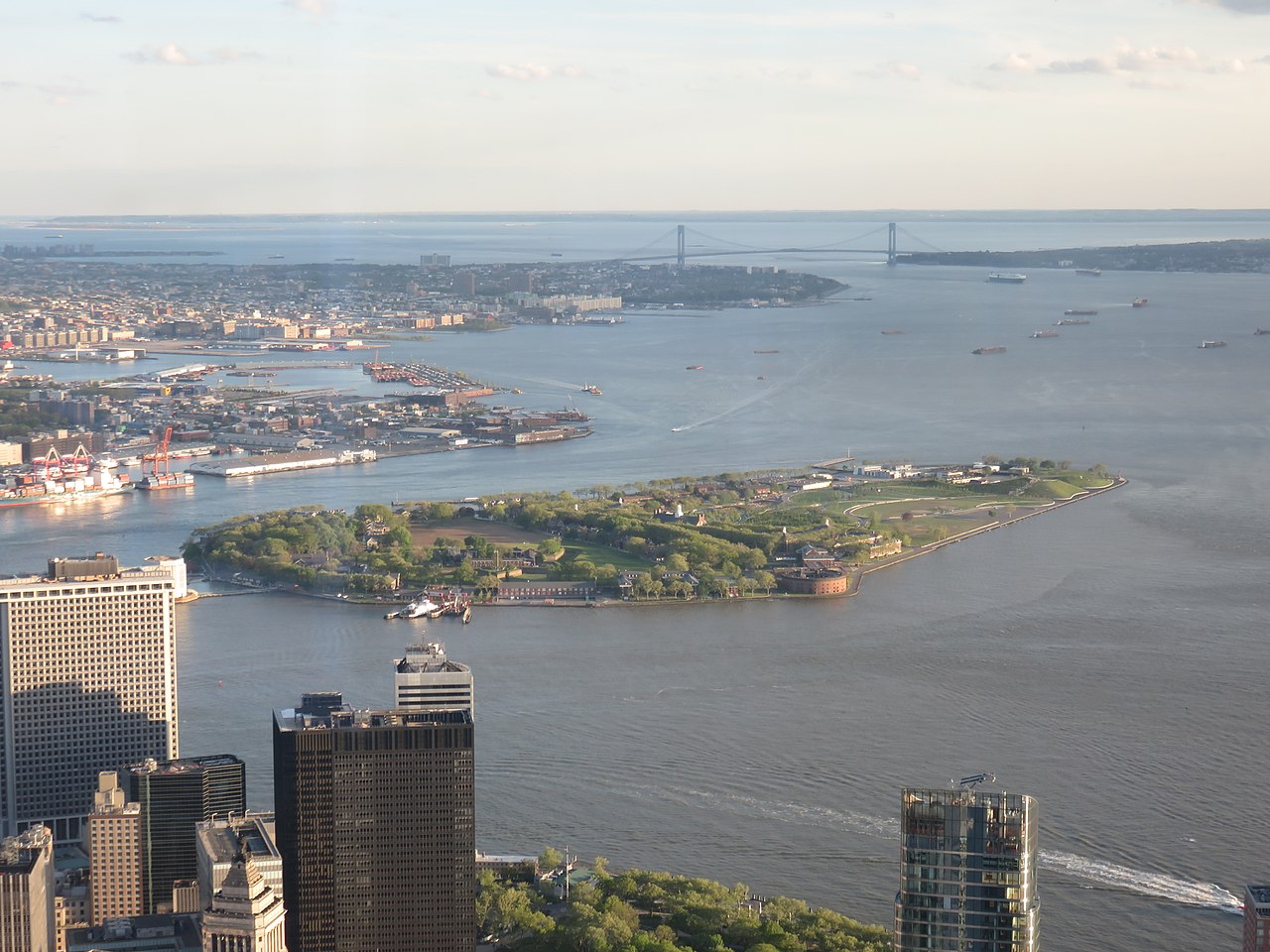
The island contains several built elements clustered around the statue itself. Visitors encounter the star-shaped base of an old fort, the statue's pedestal and museum facilities, docking and ferry landing areas, and paved walkways. The original fort structure forms the foundation for the statue's setting and contributes to the island's distinctive silhouette.
- Fortified star-shaped foundation beneath the pedestal
- Pedestal and visitor museum
- Ferry landings and visitor service areas
History and development
Historically known by other names, the island became the home of the Franco-American gift, the Statue of Liberty, which was dedicated in 1886. Over time the site has seen military use, public landscaping, and construction to support tourism. In the 20th century federal actions expanded protections for the statue and its grounds; for example a 1937 administrative action associated with Franklin D. Roosevelt and documented in a 1937 proclamation enlarged the unit then managed as a memorial. Later congressional action formally changed the name to emphasize its symbolic identity.
Administration, access, and use
The island and the monument are managed by the U.S. National Park Service as part of the Statue of Liberty National Monument. Public access is by scheduled ferries that operate from nearby terminals on Manhattan and New Jersey shores; visitor services and guided information are provided to support tourism and education. Because the island holds no permanent residents, activity is centered on daily visitation, maintenance, and preservation work.
Significance and notable facts
Liberty Island functions both as a physical platform for a monumental work of art and as a national symbol associated with immigration, freedom, and international friendship. It is frequently used in ceremonies and educational programs and remains an important attraction for its historical associations and views of the harbor and skyline. For practical visitor planning and historical records, official sources and park services provide schedules, preservation updates, and contextual interpretation about the island's past and present.
For general information about the island and visiting guidelines see official island resources.
Related articles
Author
AlegsaOnline.com Liberty Island Leandro Alegsa
URL: https://en.alegsaonline.com/art/57751
Sources
- nps.gov : "Early History of Bedloe's Island"