
St. Jude Storm (Cyclone Christian) — October 2013 European windstorm
A severe Northwest European windstorm on 27–28 October 2013. Also called Cyclone Christian, it caused widespread damage and 17 deaths, with record gusts in Denmark and major disruption across five countries.
Overview
The St. Jude Storm, also known in meteorological circles as Cyclone Christian, was a powerful European windstorm that swept across northwestern Europe from 27 to 28 October 2013. Striking during the late autumn, the storm produced violent gusts, caused widespread infrastructure damage and at least 17 fatalities. It affected coastal and inland areas, prompting large-scale emergency responses.
Image gallery
8 Images



Meteorological development and winds
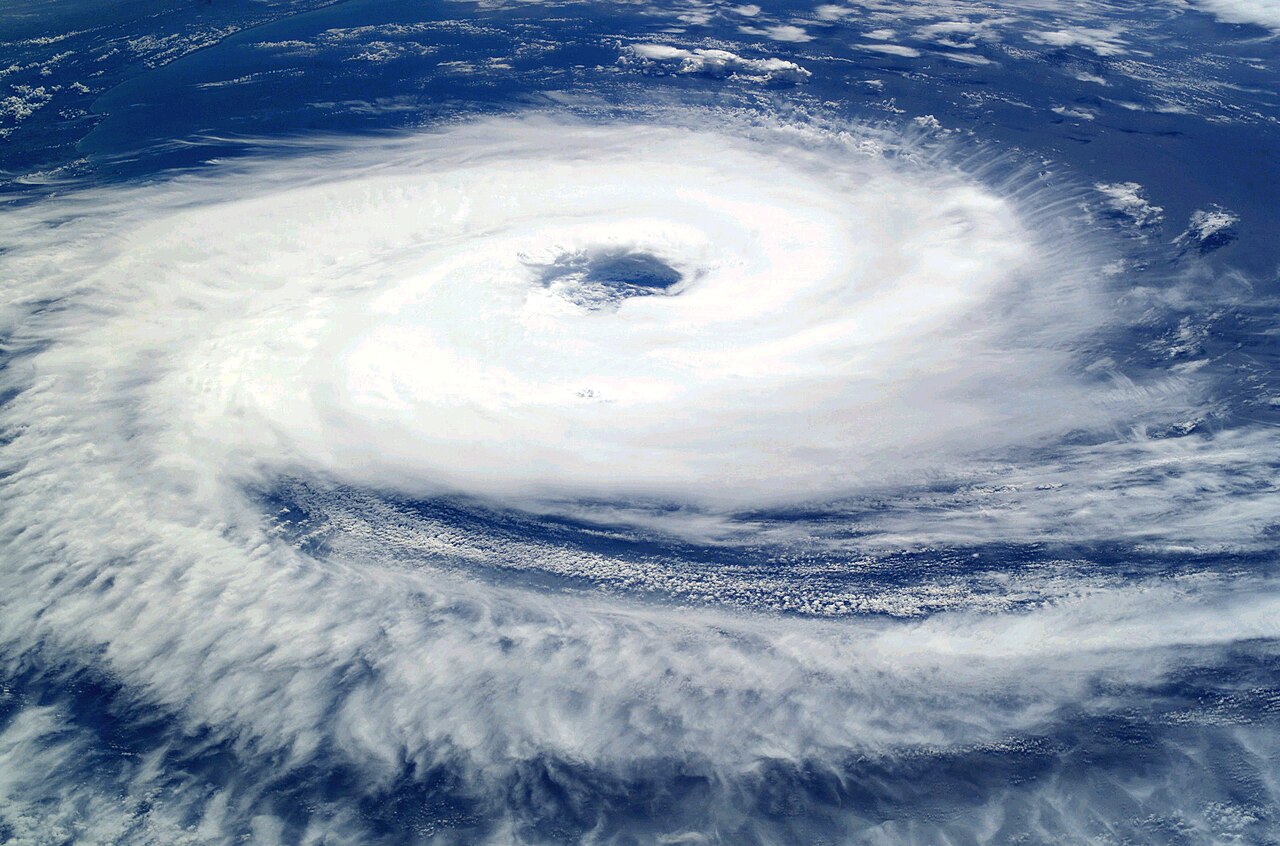
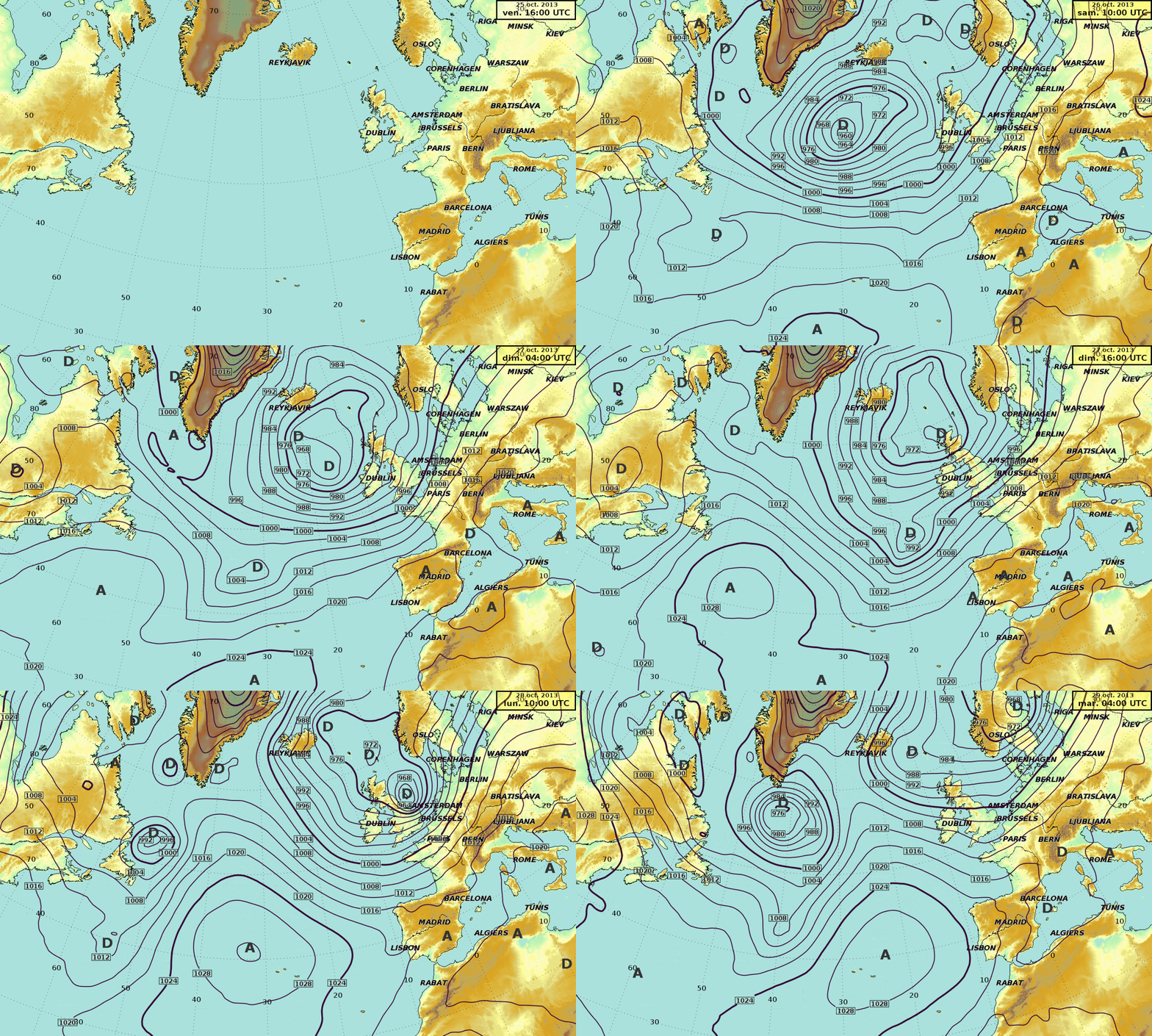
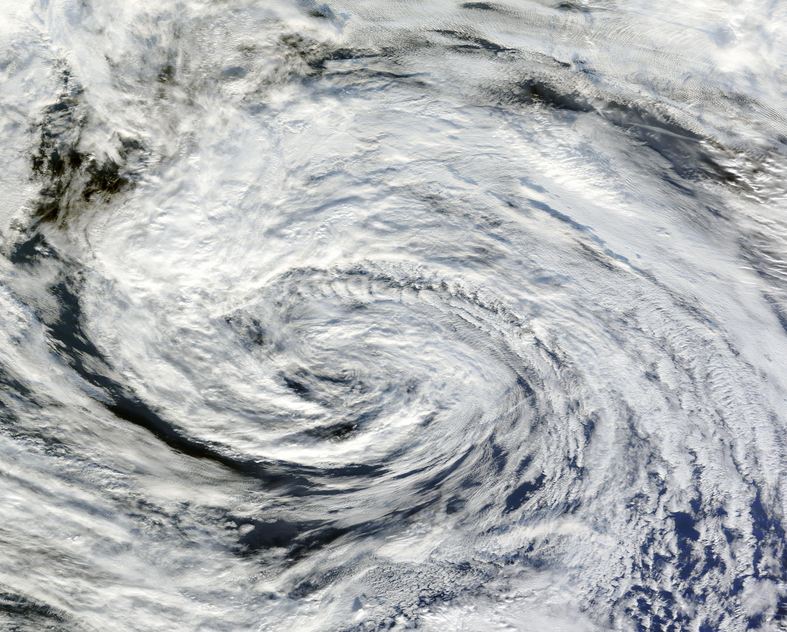
The storm developed as a deep Atlantic low-pressure system that underwent rapid intensification while moving eastwards. Forecasts ahead of the event warned of very strong winds, with some services predicting gusts of 80–90 mph for parts of southern England. The most extreme recorded gust occurred in Denmark, where a reading of 120.8 mph (194.4 km/h) was reported on the afternoon of 28 October — a value described as the highest wind speed recorded in the country's instrumental history.
Areas affected and primary impacts
Damage and disruption were reported across several countries. Denmark experienced severe coastal impact and record gusts. Belgium, Germany, the Netherlands and the United Kingdom also recorded extensive tree fall, roof and structural damage, cancelled transport services and power outages. Many rail and ferry services were suspended and roads were blocked by fallen trees and debris.
Notable facts and naming
The event is commonly called the St. Jude Storm in English-language media because it struck around the feast day of St. Jude (28 October). The name Christian was used by some European meteorological naming schemes. The storm is often cited in discussions of explosive cyclogenesis in the North Atlantic and remains notable for the exceptionally high gusts measured in Denmark.
Response, recovery and lessons
Emergency services mounted search, rescue and repair operations and utilities worked to restore power. The storm highlighted vulnerabilities in transport networks and the risks of autumn storms in densely populated coastal regions. Post-event assessments emphasized improved forecasting, clearer public warning systems and measures to reduce tree-related damage near highways and power lines.
Typical consequences
- Widespread property and forestry damage in affected regions (Denmark: details).
- Transport disruption including rail, road and ferry cancellations (Belgium: report).
- Structural damage and coastal flooding in exposed areas (Germany: summary).
- Power outages and emergency declarations (Netherlands: account).
- Fatalities and injuries, and broad recovery operations (United Kingdom: coverage).
The St. Jude Storm remains a reference event when assessing autumn windstorm risk across northwestern Europe and for comparing extreme gust records and emergency preparedness in the region.
Related articles
Author
AlegsaOnline.com St. Jude Storm (Cyclone Christian) — October 2013 European windstorm Leandro Alegsa
URL: https://en.alegsaonline.com/art/93175
Sources
- commons.wikimedia.org : Christian (storm)
- met.fu-berlin.de : "Analyse"
- met.fu-berlin.de : "Analyse"
- mirror.co.uk : UK weather: Home insurance firms brace themselves for damage claims as freak storm heads for Britain - Mirror Online
- bbc.co.uk : Storm lashes northern Europe leaving at least 17 dead
- theguardian.com : "Britain awaits worst storm in five years"
- b.dk : "Ny dansk vindrekord målt på Als"