
STS-1 — Space Shuttle Columbia's First Flight (April 1981)
STS-1 was the inaugural orbital mission of NASA's Space Shuttle program, flown by Columbia in April 1981. A two-person crew tested the orbiter's systems during a short, 37-orbit test flight.
Overview
STS-1 was the first operational flight of NASA's Space Transportation System (the Space Shuttle) and the maiden spaceflight of the orbiter Columbia. The mission launched on April 12 and took place in 1981, returning to Earth on April 14. It was a short-duration, crewed test flight that demonstrated the fundamental capabilities of the reusable shuttle architecture.
Image gallery
10 Images




Crew and vehicle
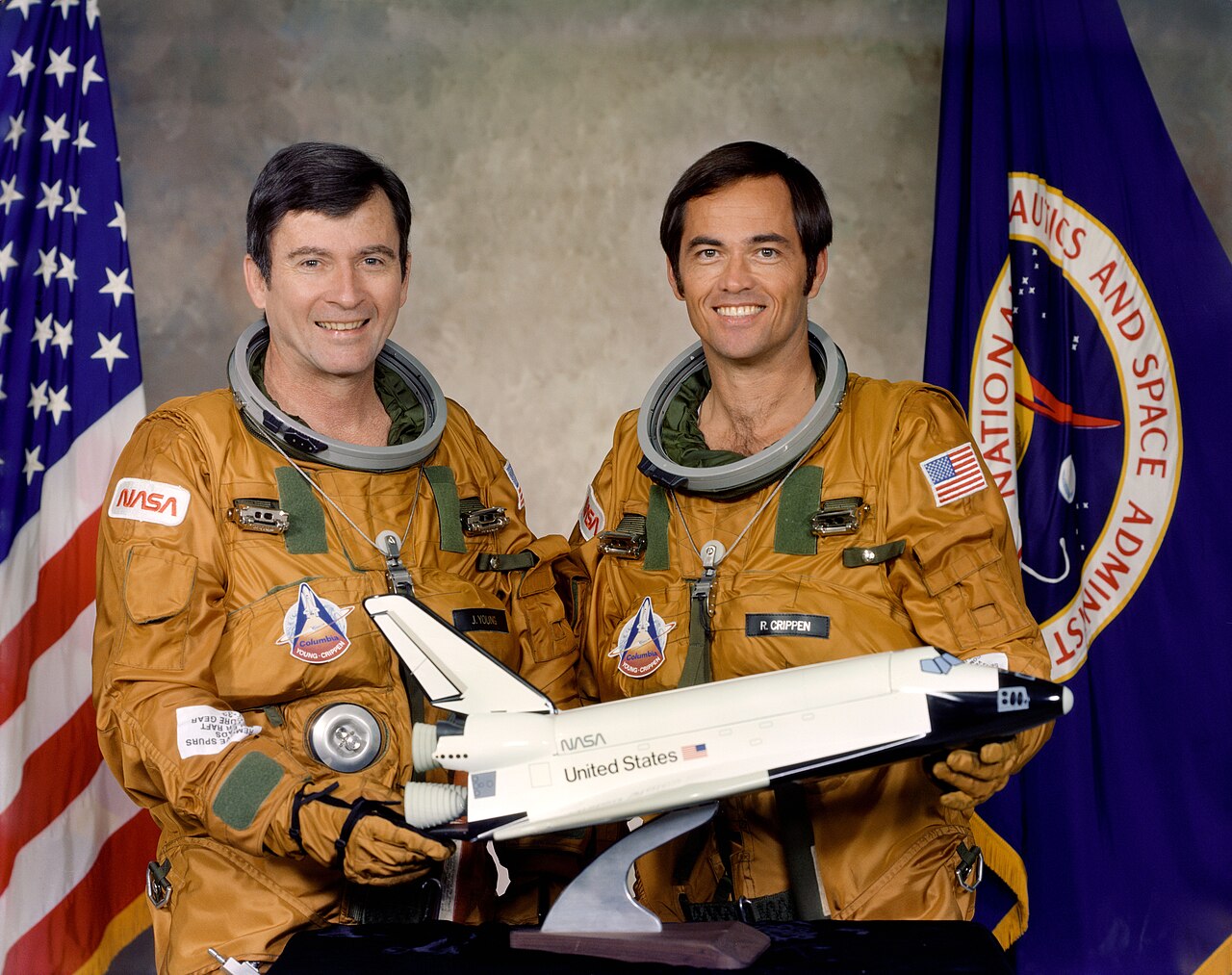
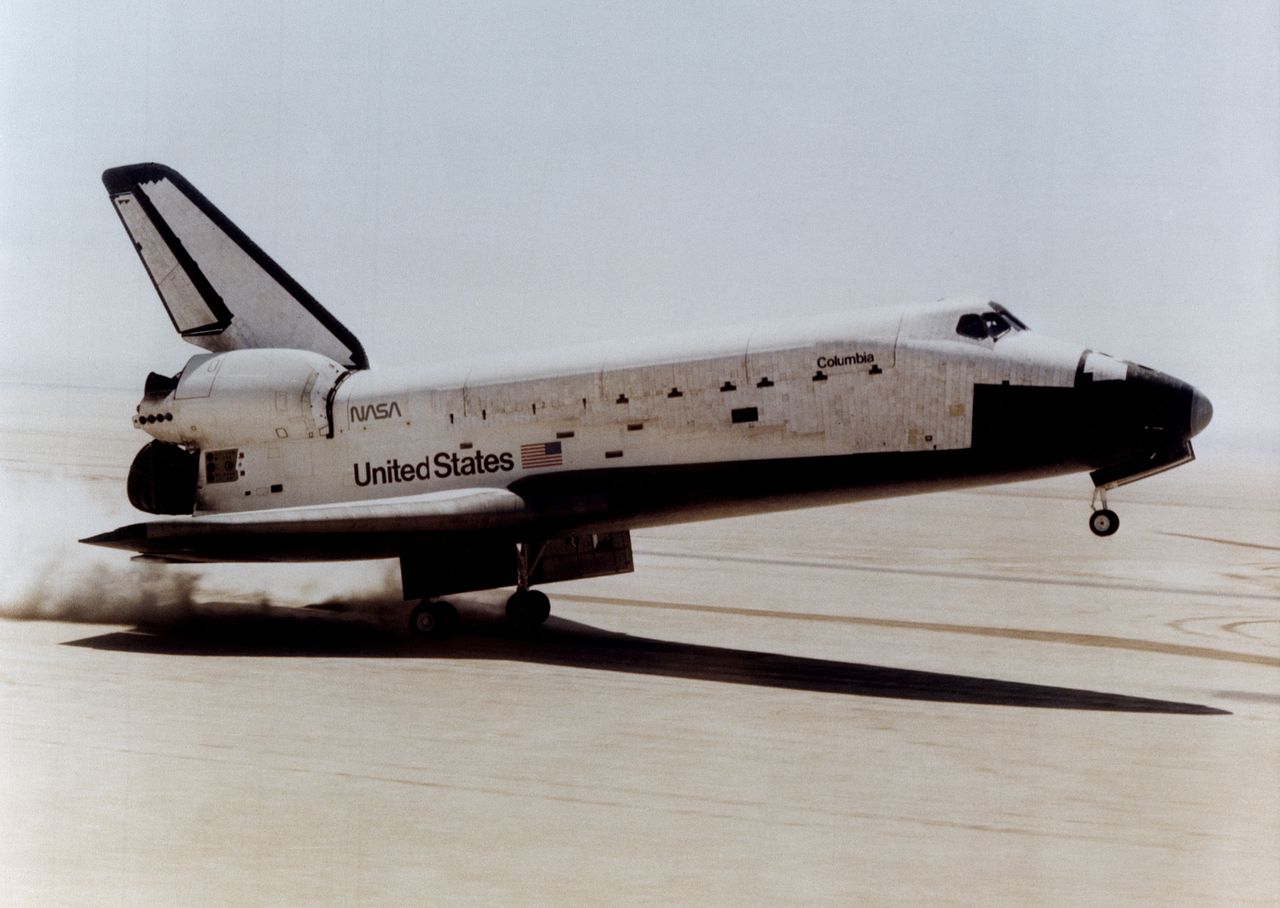
The two-man crew consisted of Commander John Young and Pilot Robert Crippen, both experienced test pilots and astronauts. The orbiter used for the mission was Space Shuttle Columbia, flown as part of the full shuttle stack with its external fuel tank and two solid rocket boosters. Columbia carried no operational payload; the flight focused on proving flight systems, thermal protection, and reentry performance.
Mission profile and objectives
STS-1 was planned as an orbital test: verify ascent performance, assess on-orbit systems, confirm heat-shield integrity during reentry, and validate the orbiter's approach and landing capabilities. During the mission Columbia orbited the Earth 37 times. The flight included checks of the tile-based thermal protection, the avionics suite, and the control surfaces used for atmospheric flight and landing.
Historical context and significance
Launched about twenty years after the first human spaceflight, the mission represented a major step in the development of reusable spacecraft and human-rated orbital transportation 20 years after that milestone. STS-1 was notable because a brand-new orbital vehicle carried a crew on its very first flight, an uncommon approach in crewed spaceflight testing.
Accomplishments and legacy
STS-1 validated many elements of the shuttle concept and provided operational experience that shaped subsequent flights and procedures. The successful flight of Columbia on this mission paved the way for the shuttle program's expansion into satellite deployment, scientific experiments, and space station construction over the following decades. Lessons learned from STS-1 influenced safety reviews, maintenance practices, and vehicle upgrades used throughout the program's history.
Notable facts
- First Shuttle orbital mission and Columbia's maiden flight.
- Two-person crew: John Young and Robert Crippen.
- Short, focused test flight that completed 37 orbits before landing.
- Demonstrated real-world performance of reusable orbital hardware and thermal protection systems.
Questions and answers
Q: What is STS-1?
A: STS-1 was the first flight of the space shuttle.
Q: When did STS-1 launch and land?
A: STS-1 launched on April 12, 1981 and landed on April 14.
Q: How long after the first manned space flight did STS-1 launch?
A: STS-1 was launched 20 years after the first manned space flight.
Q: Which space shuttle was used in STS-1?
A: The space shuttle used in STS-1 was Columbia.
Q: How many times did Space Shuttle Columbia orbit the Earth in STS-1?
A: Space Shuttle Columbia orbited the Earth 37 times in this mission.
Q: What was the significance of STS-1?
A: STS-1 marked an important milestone in space exploration as the first mission of the space shuttle.
Q: How long did STS-1 take from launch to landing?
A: STS-1 took two days from launch to landing.
Related articles
Author
AlegsaOnline.com STS-1 — Space Shuttle Columbia's First Flight (April 1981) Leandro Alegsa
URL: https://en.alegsaonline.com/art/94356