
Stoneman Douglas High School shooting (Parkland, Florida, 2018)
On Feb 14, 2018, a gunman opened fire at Marjory Stoneman Douglas High School in Parkland, Florida, killing 17 people. The attack prompted national debate on school safety, gun policy, and student activism.
Overview
On February 14, 2018, shortly before the end of the school day, an active shooter attacked Marjory Stoneman Douglas High School in Parkland, Florida, in the United States. The incident rapidly became one of the deadliest school shootings in modern U.S. history. Students and staff went into lockdown as gunfire was reported; law enforcement later confirmed multiple fatalities and numerous injuries.
Image gallery
10 Images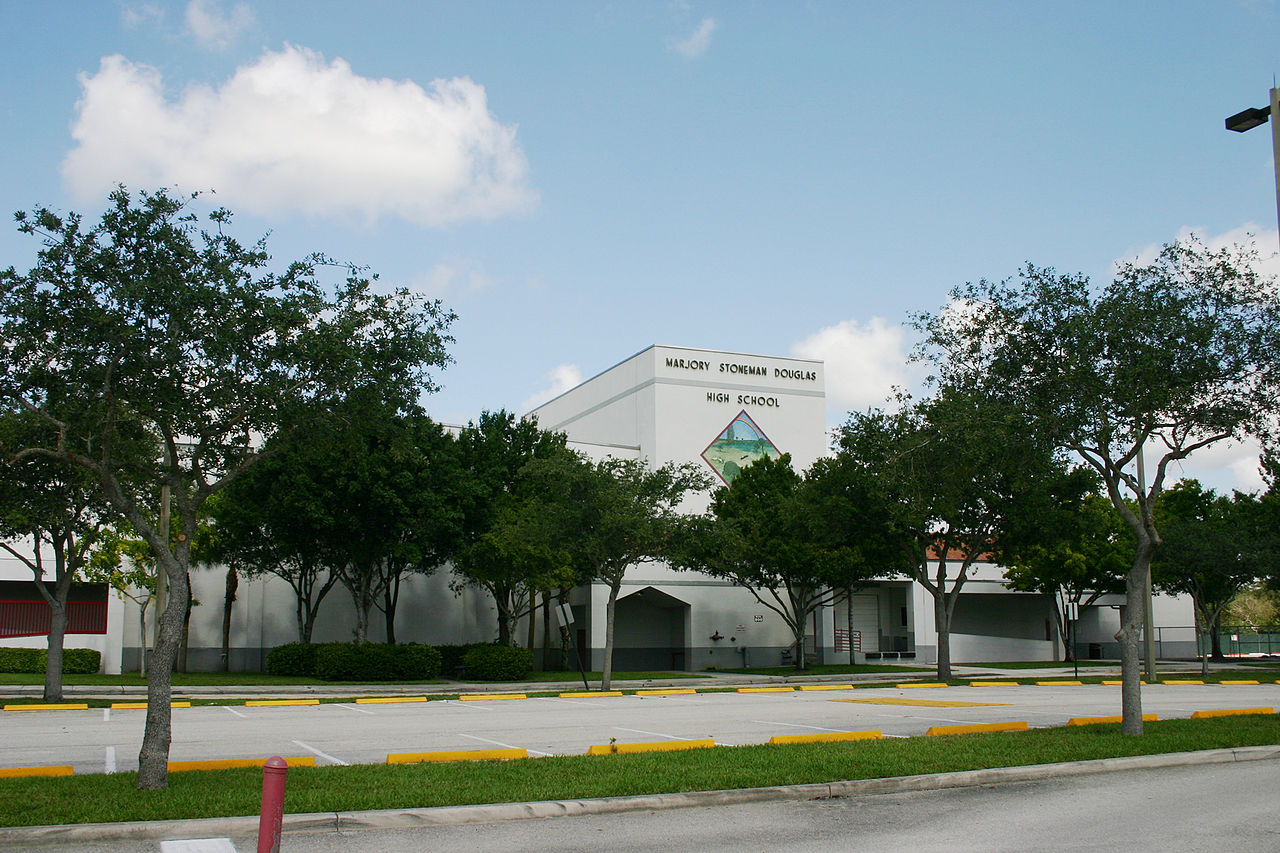





The attack
The assailant entered the campus during school hours and used a high-capacity, military-style firearm described in public reports as a semi-automatic rifle. The shooting occurred in corridors and classroom areas near dismissal time, when many students were still on campus. First responders and school personnel initiated emergency protocols; despite rapid aid and evacuation, seventeen people were killed and many others were wounded.
Perpetrator and legal case
Police arrested a 19-year-old former student at the scene and took him into custody. He was identified in public reporting as Nikolas Cruz and charged with multiple counts related to the deaths and injuries. The accused was later moved through medical and correctional procedures, and in October 2021 he pleaded guilty to state charges. The case proceeded into a sentencing phase that could result in life imprisonment or capital punishment; the matter of sentencing drew sustained media and court attention.
Immediate reactions
Political leaders, public officials and community members issued statements of condolence and concern. The sitting President at the time, Donald Trump, posted public remarks and a tweet expressing sympathy for victims and families. Local and federal agencies reviewed the response timeline, school safety procedures and how the weapon was obtained as part of criminal and policy inquiries.
Aftermath, activism and policy debate
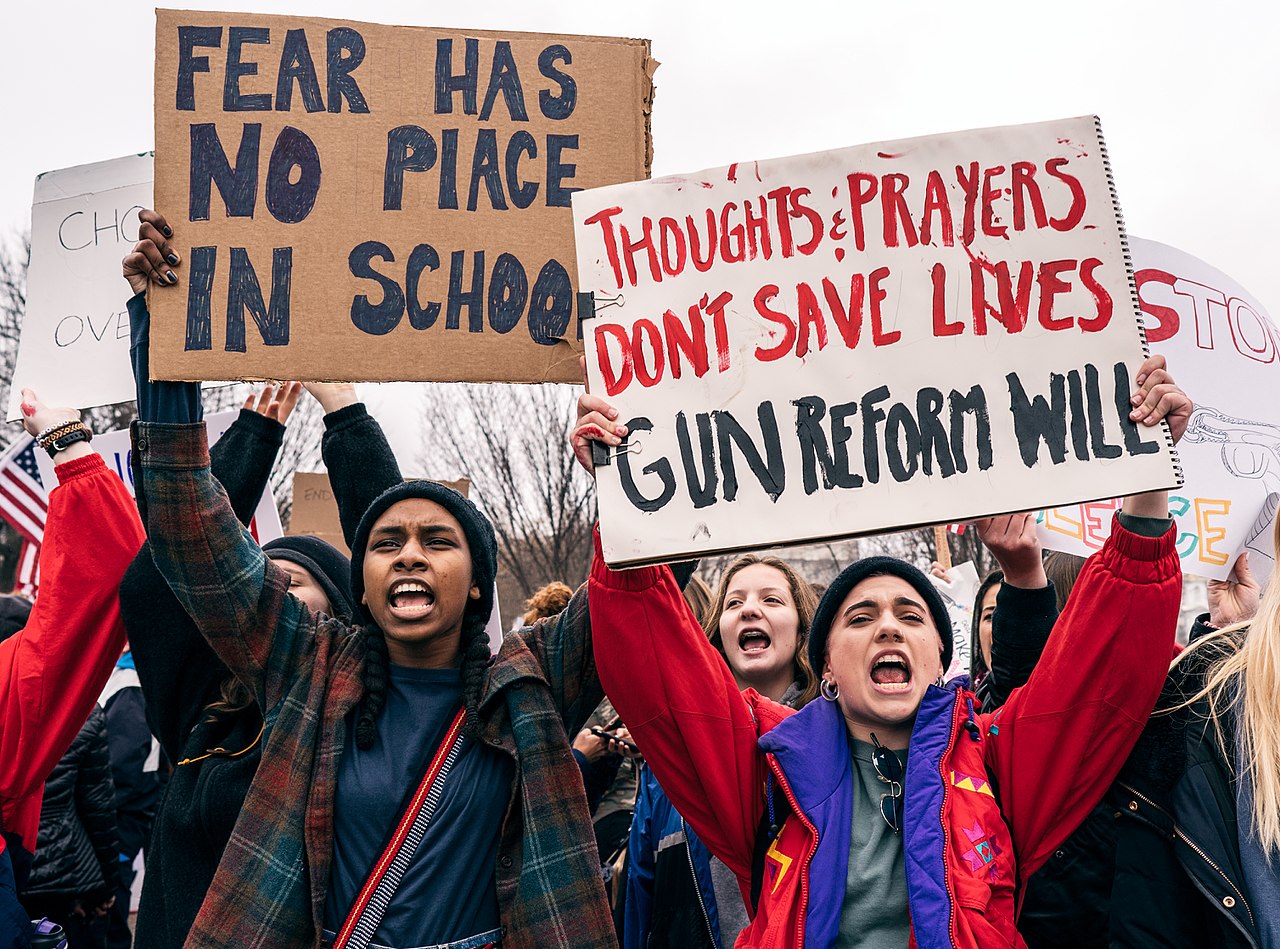
The shooting sparked widespread civic responses, including student-led protests and national demonstrations. Survivors and supporters organized marches and public forums and used online tools such as demonstrations and petitions to press for changes. Advocates called for revisions in areas of gun control, mental-health services, school hardening measures and emergency communications. At the state level, lawmakers pursued changes to firearm purchase rules and school safety funding; school districts also reviewed lockdown protocols and mental-health resources.
Legacy and notable aspects
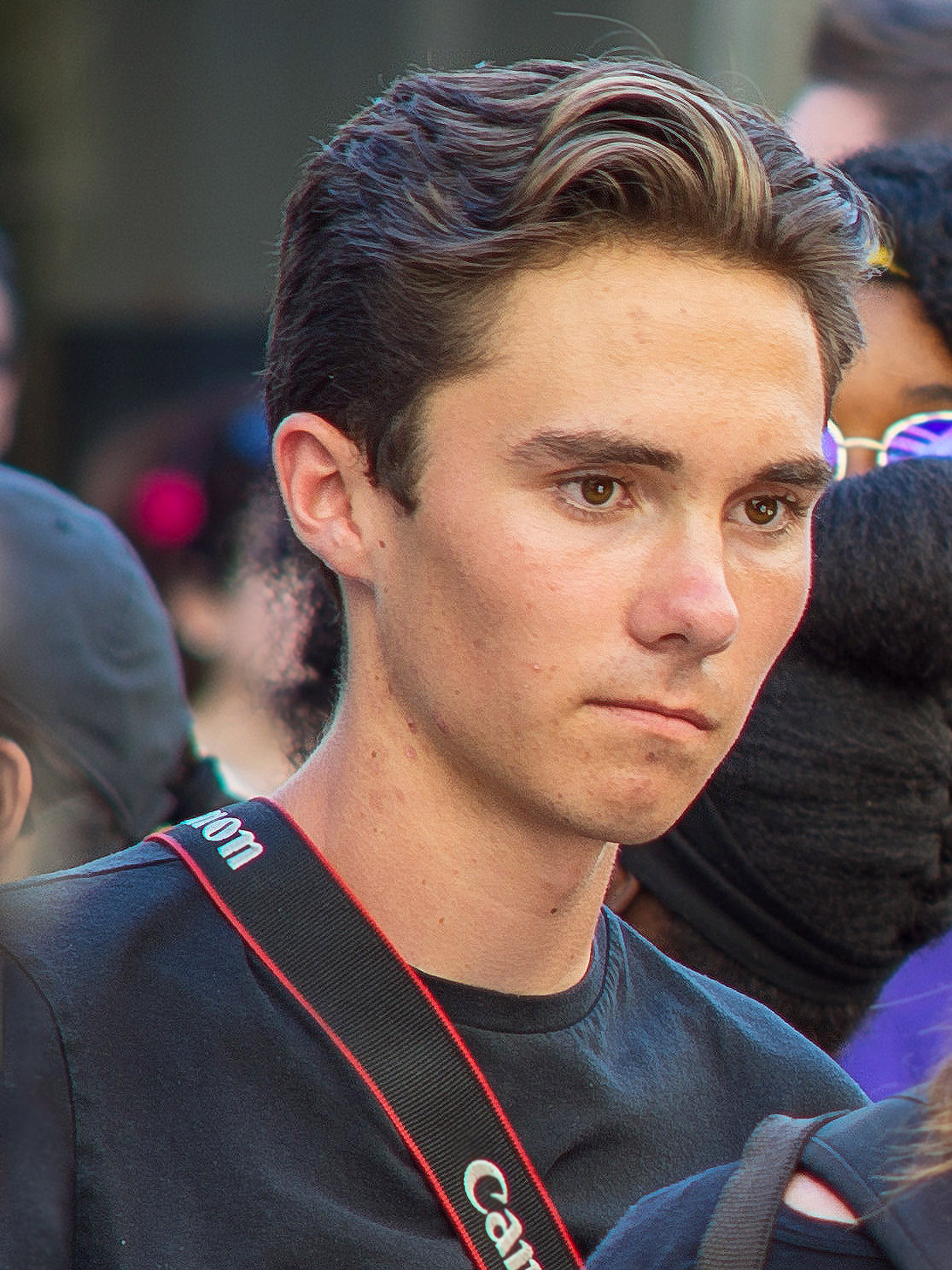
The Parkland shooting had lasting effects on public discourse about youth activism, media coverage of mass violence, and policies intended to prevent similar incidents. A generation of student survivors became prominent voices on public safety and legislative reform, and the event prompted examination of how schools, communities and law enforcement prepare for and respond to active-shooter situations. Memorials, survivor support programs and continuing legal proceedings have kept the event in public view as families, policymakers and educators seek to address its causes and consequences.
- Location and date: Parkland, Florida, February 14, 2018.
- Casualties: 17 people killed and many others injured during the attack.
- Weapon reported as a semi-automatic rifle.
- Reactions included statements from the President (Donald Trump) and public expressions such as a tweet, as well as nationwide demonstrations and petitions advocating gun control measures.
- Legal developments culminated in a guilty plea and an ongoing sentencing process.
Related articles
Author
AlegsaOnline.com Stoneman Douglas High School shooting (Parkland, Florida, 2018) Leandro Alegsa
URL: https://en.alegsaonline.com/art/94057
Sources
- sun-sentinel.com : "Multiple deaths in South Florida high school shooting"
- foxnews.com : "Florida high school under lockdown after reports of shooter, victims, police say"
- yahoo.com : "Police respond to shooting at Florida high school, suspect at large"
- splinternews.com : "At Least One Dead, Dozens Injured In Florida High School Shooting (DEVELOPING)"
- twitter.com : "My prayers and condolences to the families of the victims of the terrible Florida shooting. No child, teacher or anyone else should ever feel unsafe in an American school"
- businessinsider.com : "Suspect in Florida shooting could face death penalty for 17 counts of premeditated murder"