
St. Peter's Square: design, history and role in the Vatican
Large Baroque plaza in front of St. Peter’s Basilica in Vatican City, noted for Bernini’s colonnade, an ancient Egyptian obelisk and its role in papal ceremonies and pilgrimages.
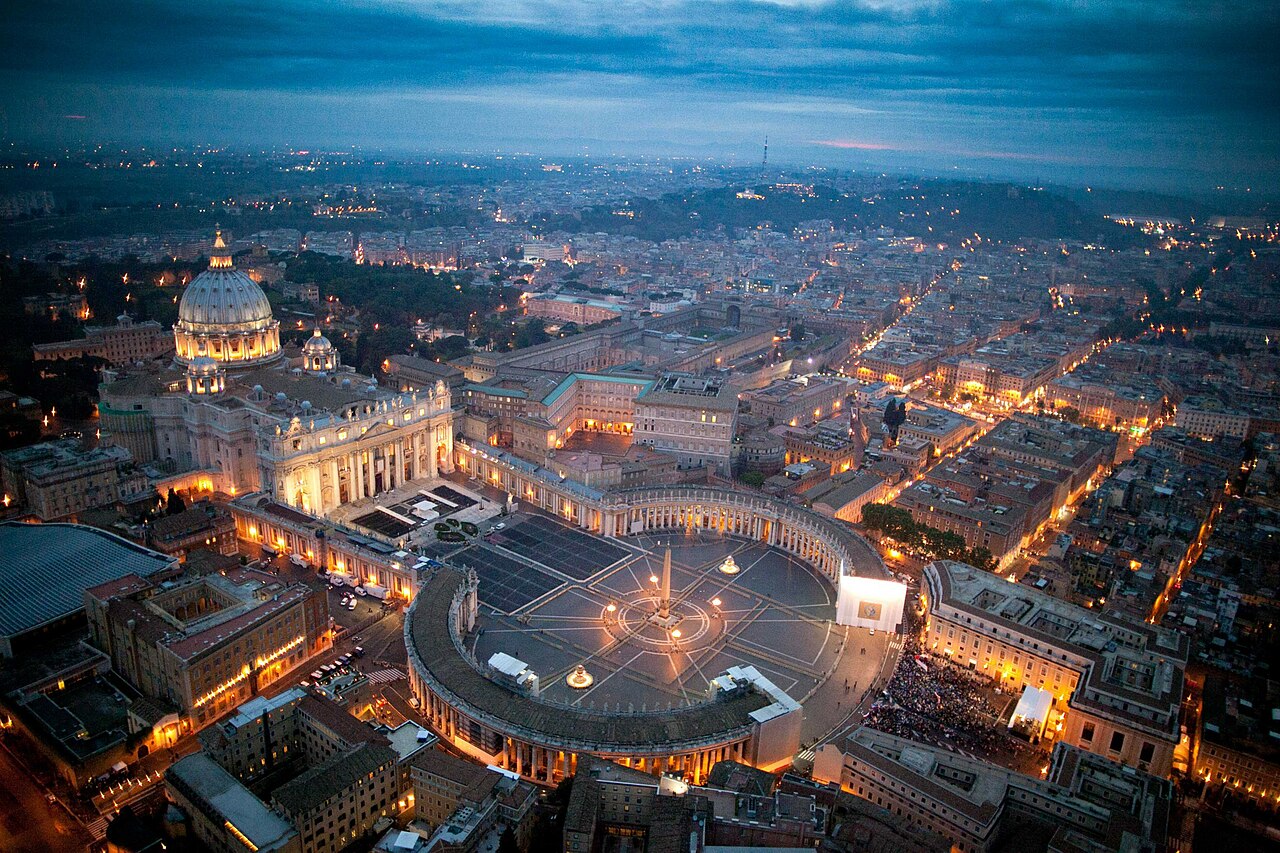
Piazza San Pietro (St. Peter's Square) is the principal open forecourt before St. Peter's Basilica in Vatican City, within the city of Rome. The space functions as a major public plaza and gathering place where the Pope regularly addresses pilgrims and visitors. Named for Saint Peter, the square is both a liturgical setting for large ceremonies and an architectural statement of Baroque urbanism.
Image gallery
9 Images



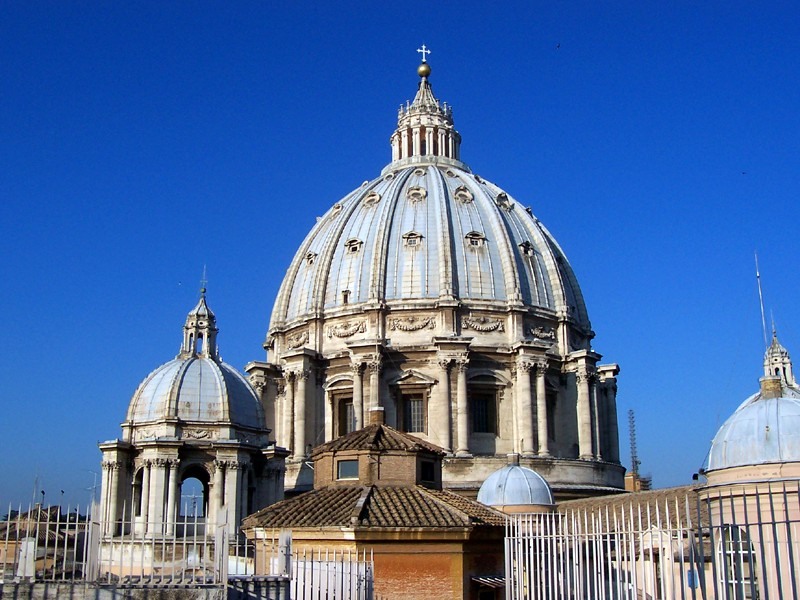
Design and principal features
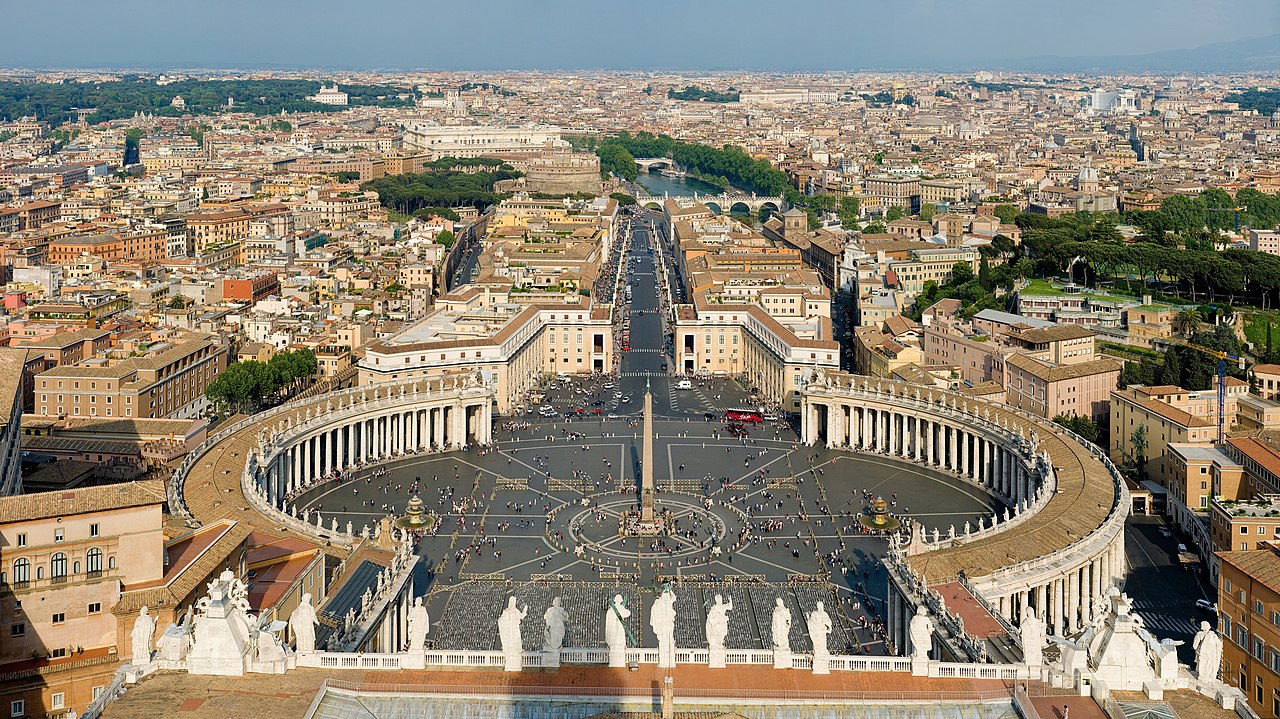
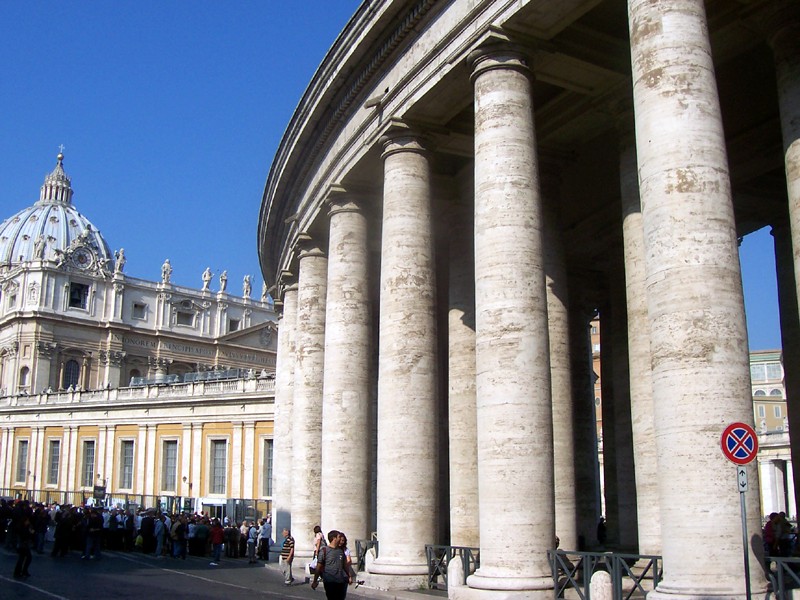
The layout is dominated by a long axis running from the basilica façade to an ancient obelisk of Egyptian origin that commands the centre. The architect Gian Lorenzo Bernini completed the principal colonnade in the 17th century: two sweeping semicircular arms of Doric columns that embrace the visitor and frame an elliptical piazza. The overall composition also incorporates a trapezoidal approach toward the basilica so that the façade appears to broaden when seen from the far end of the square. Two matching fountains—one by Carlo Maderno and a later companion by Bernini—provide balance and focal rhythm in the paving.
History and development
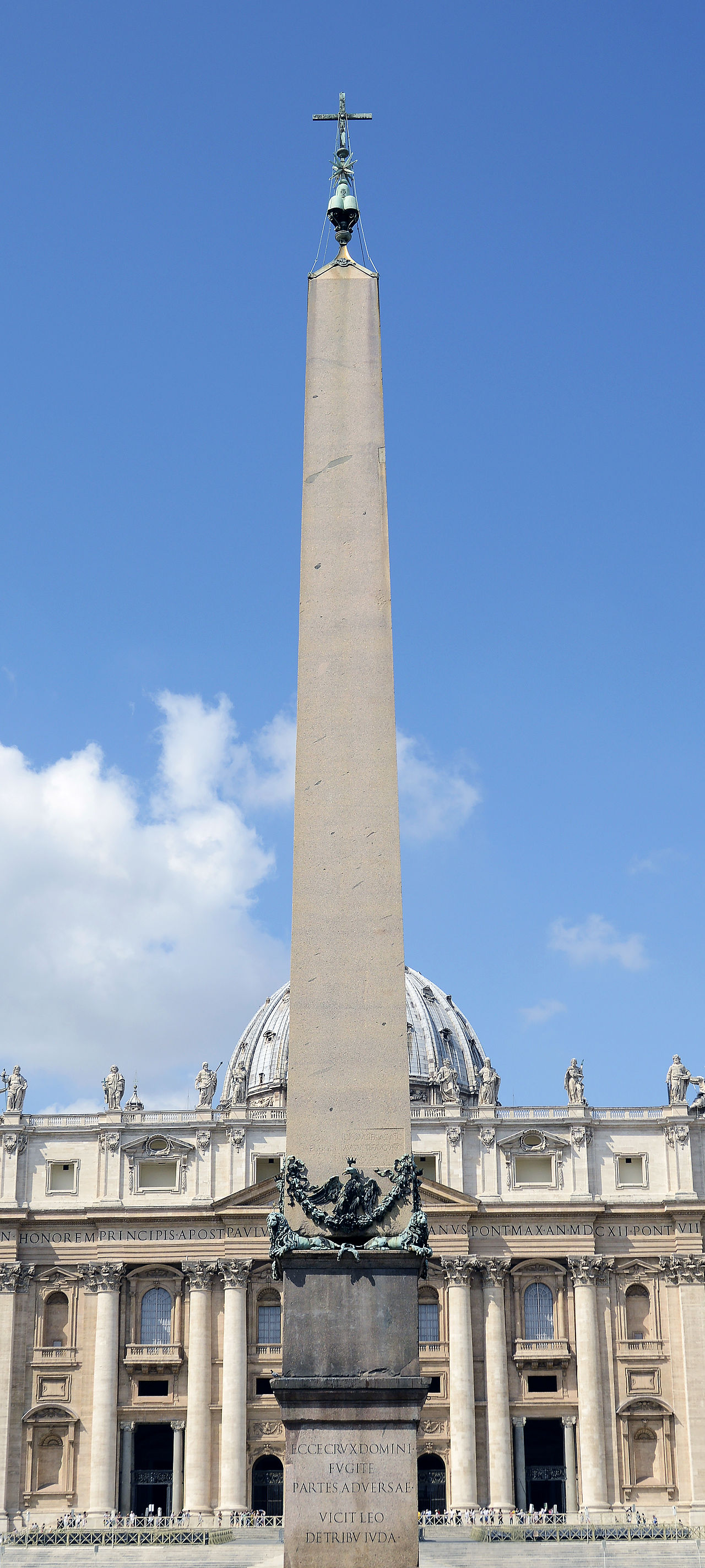
The obelisk was brought to Rome in antiquity and re-erected near its present location in 1586, a major engineering undertaking of the Renaissance period. Bernini’s scheme, executed in the 17th century, reorganized the forecourt to create an expansive ceremonial space suited to the public rites of the papacy. Over subsequent centuries the square has been resurfaced, repaired and adapted for modern crowd control while preserving its historic appearance.
Symbolism and urban context
- Colonnade: conceived as embracing arms, a visual metaphor for the Church welcoming the faithful.
- Obelisk: an ancient monolith that acts as a central marker and historical link to Rome’s past.
- Fountains and statuary: elements that articulate the space and emphasize processional axes.
Uses and significance
St. Peter's Square is the setting for papal audiences, the Easter and Christmas liturgies, canonizations and the traditional Urbi et Orbi blessing. It routinely hosts pilgrims, tourists and civic gatherings and is managed to accommodate large assemblies while protecting the site’s heritage. The square is often discussed in studies of Baroque planning for its successful combination of theatrical effect, devotional function and urban integration.
For further background and official information see resources associated with St. Peter's Basilica, Vatican City administration, and studies of Bernini and Maderno.
Related articles
Author
AlegsaOnline.com St. Peter's Square: design, history and role in the Vatican Leandro Alegsa
URL: https://en.alegsaonline.com/art/93072