
Gian Lorenzo Bernini: Master of the Italian Baroque
Biography and overview of Gian Lorenzo Bernini, his major works in sculpture and architecture, his style and influence on Baroque Rome and Western art.
Gian Lorenzo Bernini (7 December 1598 – 28 November 1680) is widely regarded as a leading figure of the Italian Baroque. His name appears frequently in accounts of 17th‑century Rome because he combined virtuoso sculpture with practical and theatrical architecture. He is often described simply as an artist whose work shaped the look and ritual life of papal Rome. For pronunciation references see the entries for UK pronunciation and US pronunciation.
Image gallery
10 Images


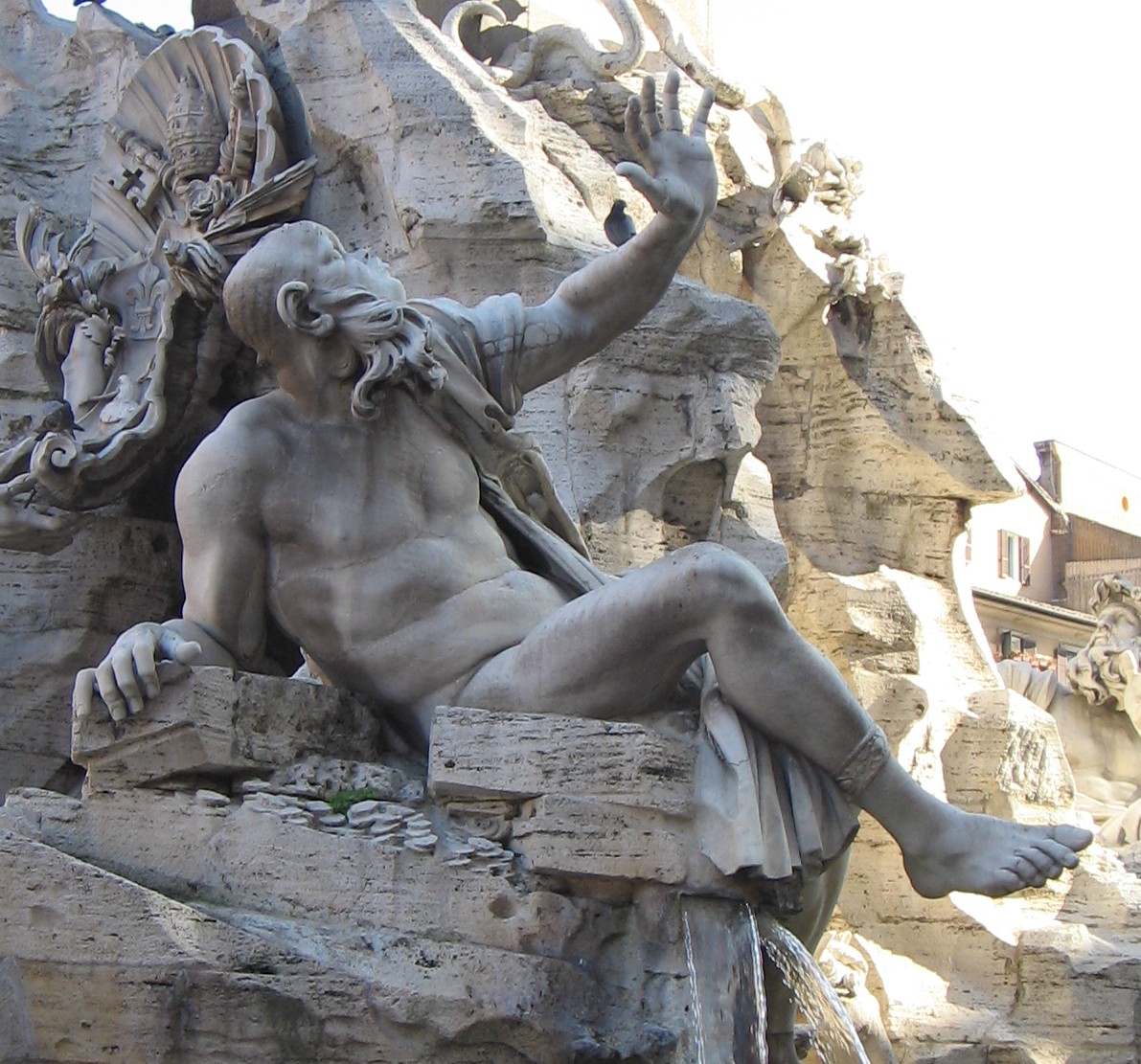


Style and artistic approach
Bernini's work is characteristically dynamic, emotive and designed to engage viewers directly. He favored movement, dramatic facial expressions and complex spatial arrangements that unite sculpture, light and architecture. This theatrical quality helped define the Italian Baroque, a style intended to inspire devotion and impress patrons through sensory impact rather than restrained classicism.
Major works and commissions
Bernini produced a wide range of works for churches, palaces and public spaces. Notable pieces include the marble group Apollo and Daphne and the life‑size David, which demonstrate his ability to render varied textures and frozen motion. In religious settings he sculpted the Ecstasy of Saint Teresa in the Cornaro Chapel and numerous portrait busts praised for psychological insight.
- St. Peter's Baldachin (the bronze canopy over the papal altar)
- Colonnade forming the piazza before St. Peter's Basilica
- Fountains and civic monuments, including public fountains in Roman piazzas
Bernini's architectural achievements are inseparable from his sculptural sense: the sweeping arms of the piazza and the theatrical placement of altarpieces illustrate a unity of arts that served both liturgical needs and urban spectacle. He executed key projects under popes such as Urban VIII and Alexander VII, altering the face of central Rome.
Today Bernini is studied for his technical mastery of marble and bronze, for pioneering expressive portraiture, and for synthesizing sculpture and space. His work at Saint Peter's and elsewhere remains central to discussions of Baroque art and continues to attract scholars and visitors who seek to understand how visual experience was used to communicate power, piety and personality in early modern Europe. For the most visited civic designs see the famous piazza in front of the basilica, often referenced as Bernini's design for the St. Peter's piazza.
Questions and answers
Q: Who was Gian Lorenzo Bernini?
A: Gian Lorenzo Bernini was one of the greatest artists of the Italian Baroque period, famous for both his sculpture and his architecture.
Q: When was Gian Lorenzo Bernini born?
A: Gian Lorenzo Bernini was born on December 7th, 1598.
Q: When did Gian Lorenzo Bernini start working for the Pope?
A: Gian Lorenzo Bernini started working for Pope Urban XIII in 1627.
Q: What did Gian Lorenzo Bernini design at St. Peter's Basilica?
A: Gian Lorenzo Bernini designed the famous piazza (place) in front of St. Peter's Basilica, as well as many of the most splendid things that are inside.
Q: What kind of art was Gian Lorenzo Bernini famous for?
A: Gian Lorenzo Bernini was famous for his sculpture and architecture in the Italian Baroque style.
Q: When did Gian Lorenzo Bernini die?
A: Gian Lorenzo Bernini died on November 28th, 1680.
Q: What was Gian Lorenzo Bernini's full name?
A: Gian Lorenzo Bernini's full name was Giovanni Lorenzo Bernini.
Related articles
Author
AlegsaOnline.com Gian Lorenzo Bernini: Master of the Italian Baroque Leandro Alegsa
URL: https://en.alegsaonline.com/art/38686