
Obelisk: form, history, and cultural significance
An obelisk is a tapering four-sided stone monument with a pyramidal top, developed in ancient Egypt and later adapted around the world as a commemorative and architectural symbol.
Overview
An obelisk is a tall, slender monument carved from stone that rises on four gently tapering sides to a small pyramidal cap. Visually similar to a free-standing column but not intended to support a structure, the obelisk functions primarily as a symbolic and commemorative form. Ancient examples are usually monolithic, meaning they were fashioned from a single block of rock, often from durable stone.
Image gallery
10 Images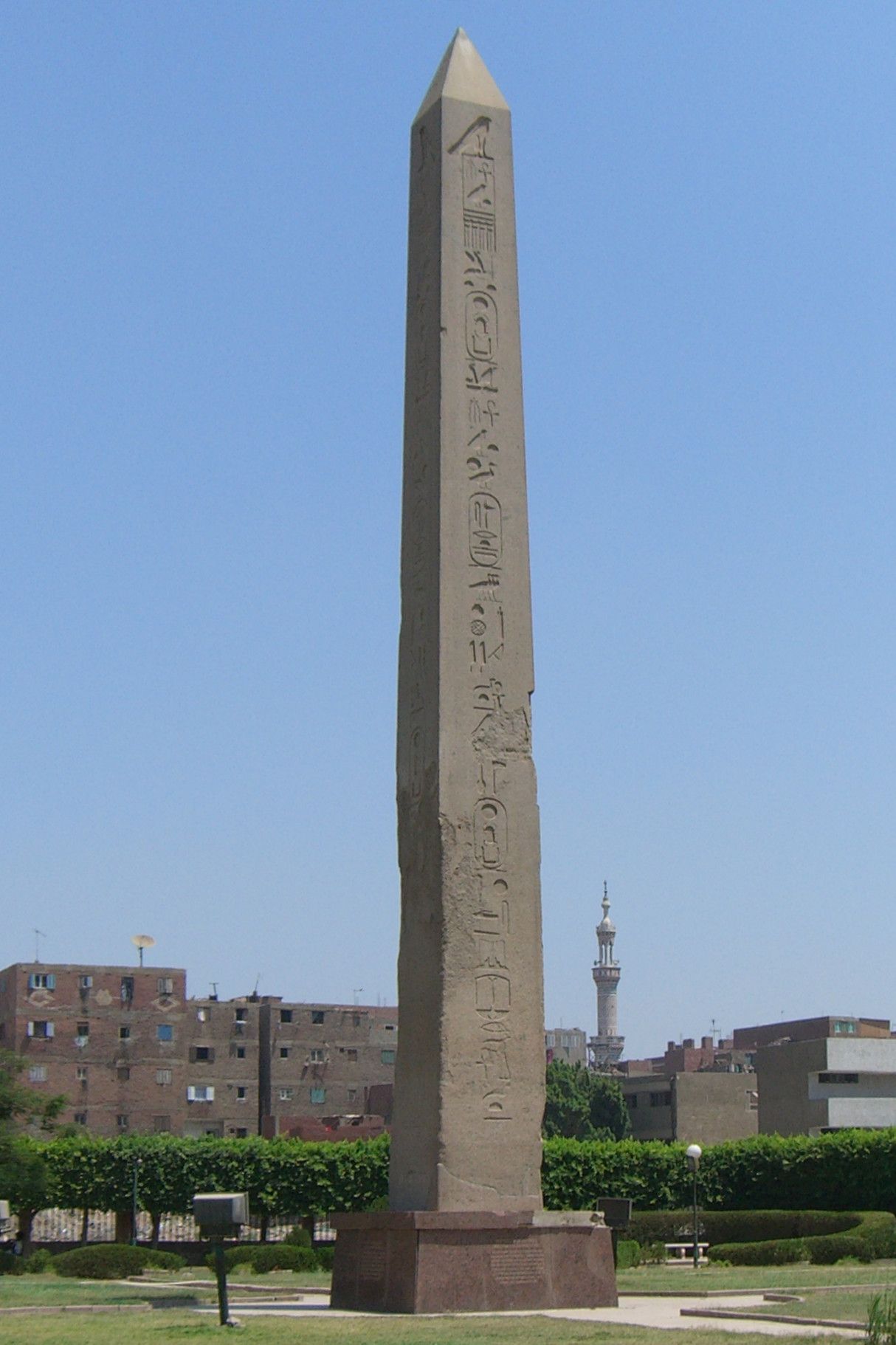


Form and construction
Architecturally, an obelisk presents a square or nearly square plan when viewed from above. Its faces slope inward as they rise, producing a tapered profile that culminates in a pyramidal or pointed top commonly called a pyramidion; sometimes the pyramidion was gilded or otherwise emphasized in antiquity (pyramidal cap). Traditional Egyptian obelisks were typically cut from hard granite, quarried and shaped using tools, abrasives and great labor to create a single, seamless shaft.
Origins and ancient use
The form developed in ancient Egypt in association with solar worship. Early obelisks were linked to the sun god, often set up at temple approaches or in pairs flanking an entrance, and were believed to represent a petrified ray of sunlight. Centers such as Heliopolis are frequently cited in accounts of the obelisk’s religious origins; hieroglyphic inscriptions on many examples record dedications, royal accomplishments and hymns to deities (Ra, for example). These inscriptions appear on obelisks as carved hieroglyphics that helped fix their commemorative purpose.
Later history and global dispersal
From antiquity onward, obelisks have been relocated, reproduced and reinterpreted. Romans removed several Egyptian monoliths to Italy, and in the modern era European and American interests moved or copied obelisks as public monuments. Examples include Egyptian obelisks placed in cities across Europe and beyond, and 19th- and 20th-century memorials that adopt the obelisk silhouette. Well-known modern instances include the relocated ancient shafts known colloquially as "Cleopatra’s Needles" and celebrated civic monuments such as the obelisk-shaped Washington Monument.
Uses, meanings, and distinctions
Obelisks have served religious, funerary and political functions. In their original context they marked sacred space and celebrated rulers; later they function as public memorials, war monuments, or decorative elements in plazas and parks. Important distinctions arise between true ancient monolithic obelisks and later constructions: many modern obelisks are assembled from masonry or are hollow to allow an internal staircase or chamber, whereas authentic Egyptian examples are usually solid stone.
Notable facts and preservation
- Crafting an obelisk required skilled quarrying, transport and erection techniques; moving monoliths across long distances has been a major technical challenge throughout history.
- Because of their monumental scale and inscriptions, obelisks are valuable archaeological documents as well as urban landmarks.
- Conservation of relocated obelisks involves addressing weathering, foundation stability and past interventions; many famous obelisks are protected and studied in their host cities.
As an enduring architectural silhouette, the obelisk continues to appear in memorial design, public art and national symbolism, its simple geometry and historical associations lending it wide recognition across cultures.
Related articles
Author
AlegsaOnline.com Obelisk: form, history, and cultural significance Leandro Alegsa
URL: https://en.alegsaonline.com/art/71662