
Squall (meteorology): sudden, sharp increase in wind
A squall is a rapid, large increase in wind speed usually tied to showers, thunderstorms, frontal passages or heavy snow. It can last minutes and produce abrupt changes in visibility and hazards.
Overview
A squall is a short-lived but notable increase in wind intensity characterized by a rapid rise in speed and often an abrupt change in direction. Squalls commonly occur in association with active weather systems and are typically accompanied by intense precipitation or turbulent air.
Image gallery
4 Images

Typical characteristics
Compared with a brief gust, a squall persists longer — usually lasting several minutes — and brings a more sustained burst of stronger winds. It frequently coincides with heavy rain, hail, or blowing snow, reducing visibility and creating sudden hazardous conditions for ships, vehicles, and exposed structures.
Formation and types
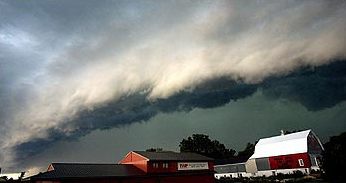
Squalls form in a variety of situations: convective activity such as thunderstorms (thunderstorms) can produce intense localized squalls; frontal passages or sharp temperature contrasts can create squall lines; and cold-air outbreaks over warmer surfaces may generate snow squalls (heavy snow) that produce whiteout conditions. Microbursts and downdrafts are related phenomena but differ in scale and dynamics.
Impacts and examples
In maritime settings, a sudden squall can capsize small craft or damage sails; in aviation, a squall near an airport requires careful handling during approach and departure. On roads, sudden wind and precipitation changes can cause loss of control. Historical sailing accounts and modern storm reports both note how rapidly a calm sea or sky can become hazardous when a squall passes.
Safety and forecasting
- Heed marine and land weather warnings and watches issued by authorities.
- Secure loose objects and reduce speed while driving in low visibility.
- Use radar and real-time observations to track squall lines and convective cells.
Distinctions and notable facts
Observers distinguish a squall from an ordinary gust by duration and associated weather: squalls are longer and usually linked to precipitation or frontal features. The word itself is longstanding in maritime and meteorological usage, appearing often in forecasts and ship logs where rapid wind shifts are especially consequential.
Related articles
Author
AlegsaOnline.com Squall (meteorology): sudden, sharp increase in wind Leandro Alegsa
URL: https://en.alegsaonline.com/art/92921
Sources
- weather.com : Weather Glossary: S.