
Bass (fish)
Bass are several common names for freshwater and marine perciform fishes valued for food and sport; includes temperate and black basses, their biology, notable species, and human use.
Overview
The name "bass" refers to a variety of largely perch-like fish that are important in commercial, recreational and subsistence fisheries. The common name applies to several different groups rather than a single taxonomic unit. Many bass species belong to families within the order Perciformes, and the English name is derived from words historically used for perch-like fishes. Bass occur in both freshwater and marine environments and are widespread, with a strong representation in North America.
Image gallery
6 Images



Identification and biology
Bass typically have a compressed to slightly elongated body, a well-developed mouth that can be large in predatory species, and one or two dorsal fins often with spines. They are carnivorous or opportunistic predators, feeding on smaller fish, crustaceans and aquatic invertebrates. Life histories vary: some species migrate seasonally (for example coastal and anadromous forms), while others spend their entire life in lakes, rivers or sheltered coastal waters. Reproductive strategies include nest building and, in many freshwater species, parental care by one or both sexes.
Major groups and notable species
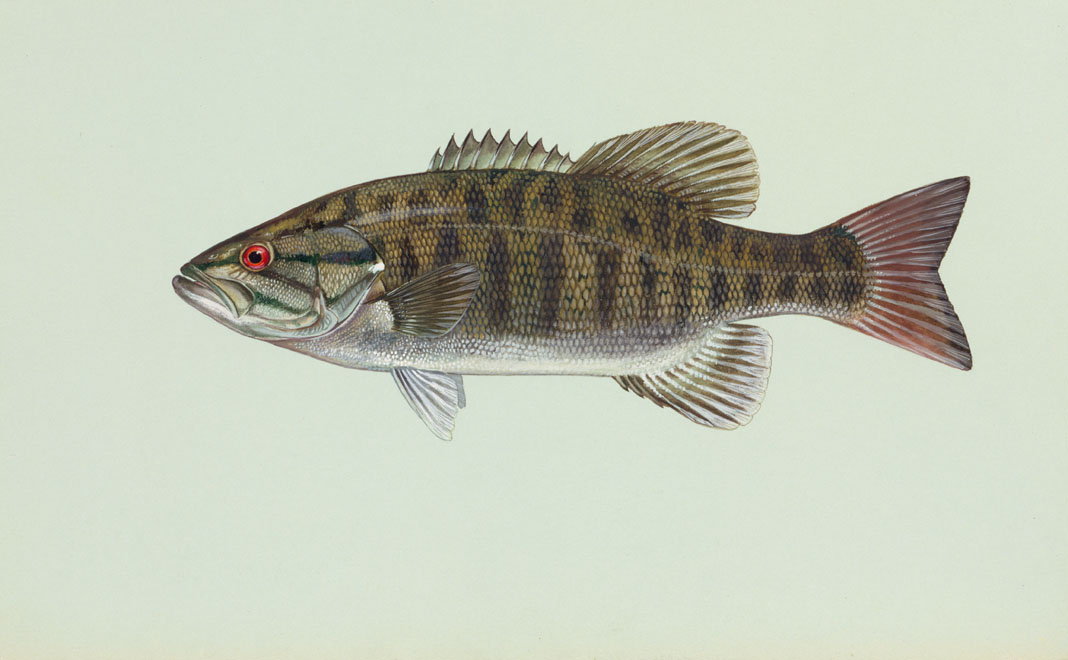
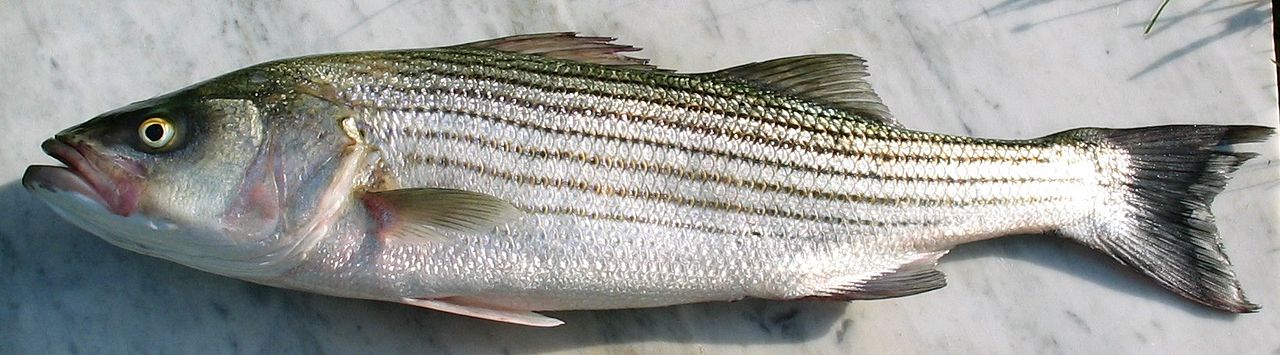
Common uses of the name include several distinct groups. Temperate basses in the family Moronidae include the striped bass (Morone saxatilis) and white bass (Morone chrysops). A different assemblage often called "black basses" belongs to the sunfish family Centrarchidae; familiar examples are the largemouth bass (Micropterus salmoides), smallmouth bass (M. dolomieu), spotted bass (M. punctulatus), Guadalupe bass (M. treculii) and rock bass (Ambloplites rupestris).
- Temperate/sea-associated basses: striped bass, white bass and related Morone species.
- Black basses: largemouth, smallmouth and other Micropterus species valued by anglers.
- Other uses: the common name "bass" is also applied to a variety of unrelated marine groups in different regions, so context is important.
History, distribution and human interactions
Bass have long been targets for both subsistence and sport fishing. Several species, particularly largemouth and striped bass, have been widely stocked outside their native ranges to support recreational fisheries. That practice has increased angling opportunities but also produced ecological consequences where introduced bass compete with or prey on native fauna. Fisheries management for bass typically includes habitat protection, size and bag limits, selective stocking and encouragement of catch-and-release where necessary to maintain populations.
Uses, importance and conservation
Bass are highly prized by recreational anglers for their fighting ability and accessibility, making them important for local economies, tourism and outdoor culture. They are also eaten, with some species supporting commercial harvests. Conservation concerns vary by species and region: habitat loss, pollution, overfishing and impacts from non-native introductions can threaten local populations. Effective management combines angler regulations, habitat restoration and monitoring.
Remarks and further reading
The word "bass" can refer to other concepts as well; see the disambiguation entry here for non-fish uses. For taxonomic overviews and species lists consult general references on species and regional guides to fish. For information specific to North American distributions and regulations see resources tied to North America and to the order-level treatments in Perciformes literature. The sunfish family Centrarchidae contains many of the freshwater basses most familiar to anglers and naturalists.
Related articles
Author
AlegsaOnline.com Bass (fish) Leandro Alegsa
URL: https://en.alegsaonline.com/art/9283