
Beagle — small to medium scent hound and companion dog
The Beagle is a small-to-medium scent hound prized for its tracking ability, friendly temperament, and role as a companion, working dog and cultural icon.
The Beagle is a compact scent hound known for an acute nose, a lively temperament and long, drooping ears. Bred to pursue game in packs, modern Beagles combine hunting instincts with qualities that make them popular family pets. They are classified in the hound group by major kennel organizations and are recognizable by their sturdy build and expressive faces. For an overview of the breed and standards, see breed information.
Image gallery
10 Images
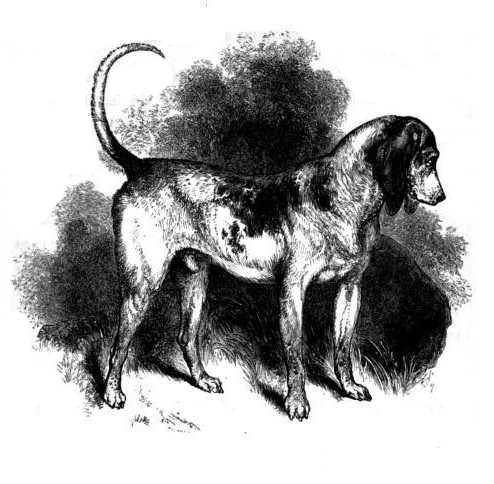


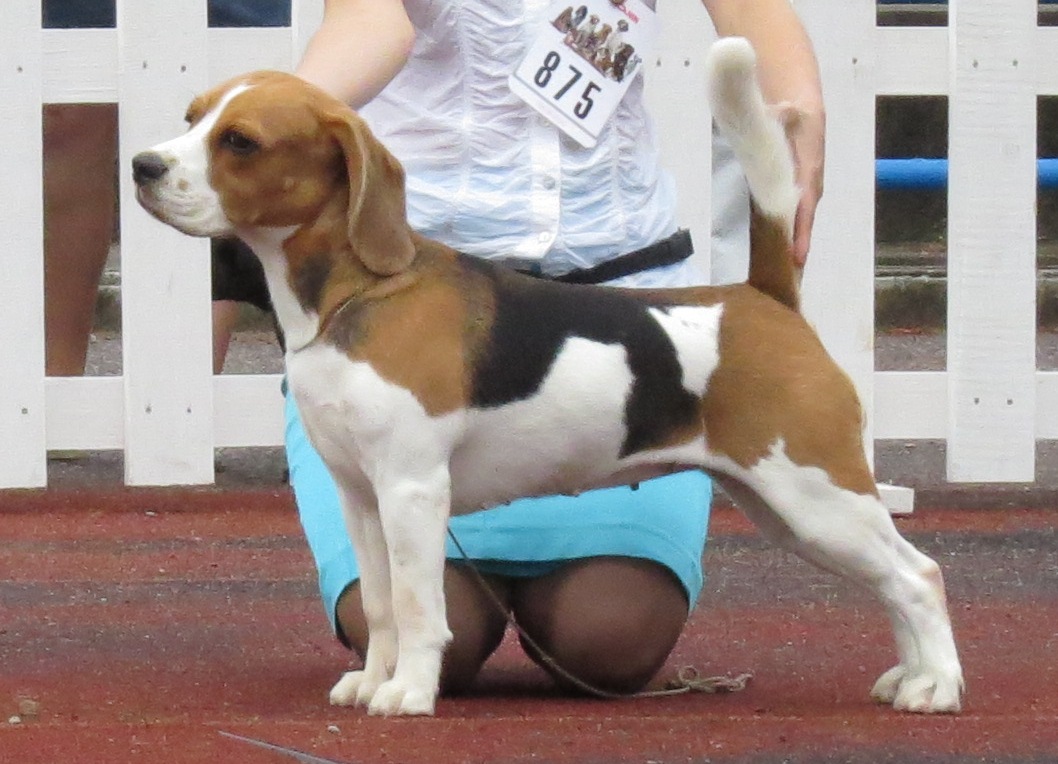


Physical characteristics
Beagles are small to medium-sized dogs with short, dense coats that come in several accepted color patterns. The classic tricolor — black, tan and white — is common, but variations such as lemon-and-white, red-and-white or predominantly white with patches also occur. Their ears are long and set low, which helps funnel scent toward the nose when tracking. Typical features include a square muzzle, large brown or hazel eyes, a tail carried high but not curled, and a muscular body suited to sustained movement. For visual and conformation details visit conformation guide and coat and color notes.
Behavior and abilities
As a scent hound, the Beagle relies on smell more than sight. They have a deliberate, often merry gait and a distinctive baying or howling voice used to communicate with handlers and packmates. Their temperament is usually friendly, curious and food-motivated, which can make them easy to train with reward-based methods but also prone to distraction when an interesting scent is found. Beagles typically do well with children and other dogs, and they thrive with regular exercise and mental stimulation. See training resources at training and enrichment ideas at activity guides.
History and development
Dogs resembling modern Beagles have been described for many centuries as small hounds used to hunt hare and rabbit. The contemporary breed emerged in Britain in the 18th and 19th centuries when hunters selectively bred smaller hounds for pack hunting across varied terrain. Breed clubs and kennel registries later formalized size and type standards. For historical context and breed origins consult historical records and breed evolution.
Roles and uses
Beagles have a long tradition as working scent hounds in hunting but have also adapted to many modern roles. Common uses include:
- Hunting: tracking small game such as hare and rabbit in a pack setting.
- Detection work: their keen noses and manageable size have made them effective in scent-detection programs at ports and airports.
- Companion animals: their size, sociability and generally robust health contribute to popularity as family pets.
- Assistance and therapy: social disposition can suit them for visitation and support roles.
Some Beagles are also used in laboratory settings because of their temperament and size; this is a sensitive and regulated area of animal welfare discussion. For guidance on working-beagle programs see working roles and ethical considerations at care standards.
Care, health and distinctions
Routine care for a Beagle includes exercise to manage weight, regular ear checks to prevent infections (a consequence of long ears), dental hygiene and attention to joint health. Common health concerns seen across the breed include obesity if under‑exercised, ear problems, and breed‑predisposed conditions that responsible breeders and veterinarians monitor. Distinctions worth noting: Beagles differ from similar breeds like Harriers and Basset Hounds in size, gait and breeding purpose; Beagles are typically smaller than Harriers and less low‑set than Bassets. For health resources and breeder information see health guide, veterinary advice and breeder standards.
Cultural presence
Beagles appear widely in art, literature and popular media. They are often portrayed as amiable, clever companions; one of the most famous fictional Beagles is Snoopy from the comic strip Peanuts. The breed’s recognizable look and personality have made it an enduring symbol of the friendly family dog. For cultural references and notable appearances see media, literature and popular culture.
If you are considering a Beagle as a pet or a working dog, research breed traits, meet individual dogs to assess temperament, and consult breed clubs or rescue groups to find suitable placement and care information.
Questions and answers
Q: What type of dog is a Beagle?
A: A Beagle is a breed of small to medium-sized Hound.
Q: What are Beagles developed for?
A: Beagles are mostly developed for hunting and finding hare, rabbit, and other kinds of game.
Q: Why are they popular as pets?
A: They are popular as pets because of their good size, sweet temper, and health.
Q: What color coats do Beagles usually have?
A: Beagles can have coats of different colors such as tri-colored, orange, red or lemon. However they are widely known for sporting the tri-colored look (Black, brown, and white).
Q: When did the modern kind of beagle come from?
A: The modern kind of beagle came from Great Britain around the 1830s.
Q: How long has the beagle-type dog existed?
A: The beagle-type dog has existed for over 2,000 years.
Q: Who is "the world's most famous beagle"?
A: Snoopy from the comic strip Peanuts is "the world's most famous beagle".
Related articles
Author
AlegsaOnline.com Beagle — small to medium scent hound and companion dog Leandro Alegsa
URL: https://en.alegsaonline.com/art/9799
Sources
- snoopy.com : "Places to Visit"
- beagleclubnsw.org.au : BC-NSW-inf