
Centrarchidae (Sunfish): freshwater bass, bluegill, crappies and allies
Centrarchidae, commonly called sunfish, are a North American family of freshwater ray-finned fish including bass, bluegills and crappies; valued by anglers and notable for their nest-guarding males.
Overview
Centrarchidae, commonly known as sunfish, are a family of freshwater ray-finned fishes native to North America. The group includes familiar game and panfish such as bass, bluegill and crappies. The family is centered on the type genus Centrarchus, and its members are widely recognized by anglers, biologists and freshwater naturalists for their importance in recreational fisheries and freshwater ecosystems. For classification details see classification resources and the broader order context in taxonomic references.
Image gallery
10 Images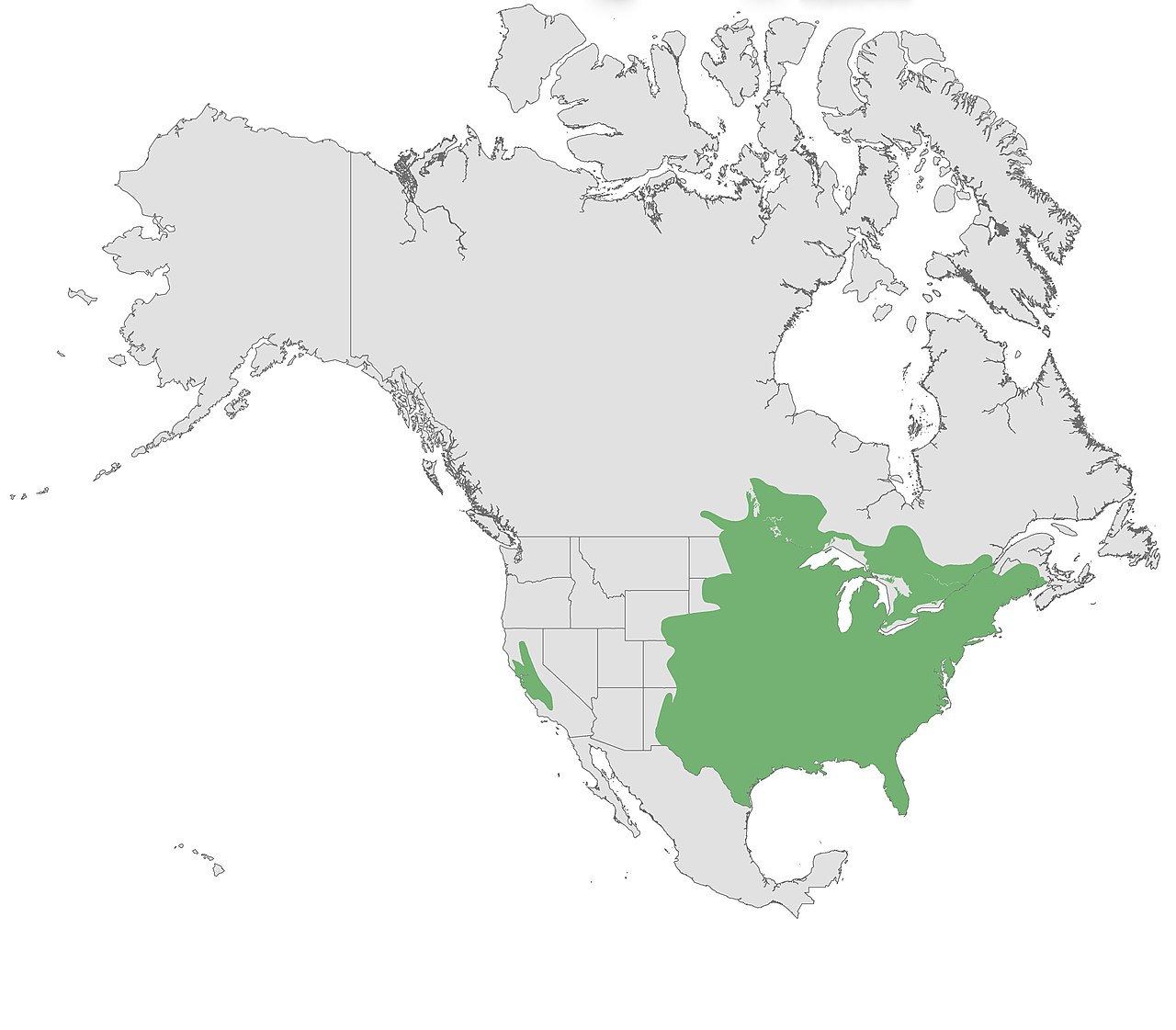





Common species and diversity
There are roughly 37 species in the family, distributed among several genera. Well-known representatives include:
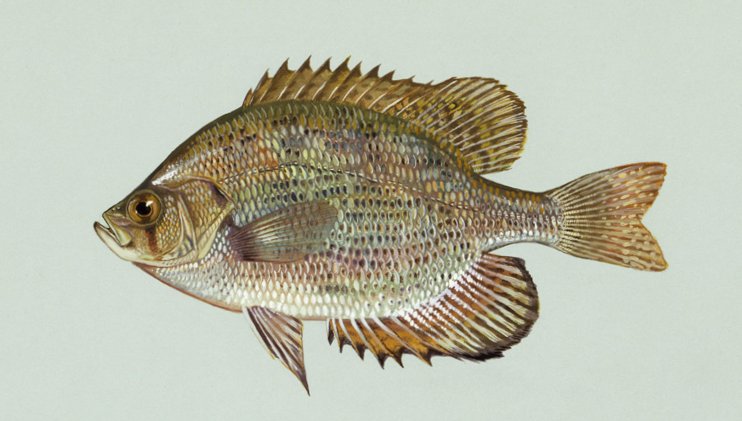
- Rock bass
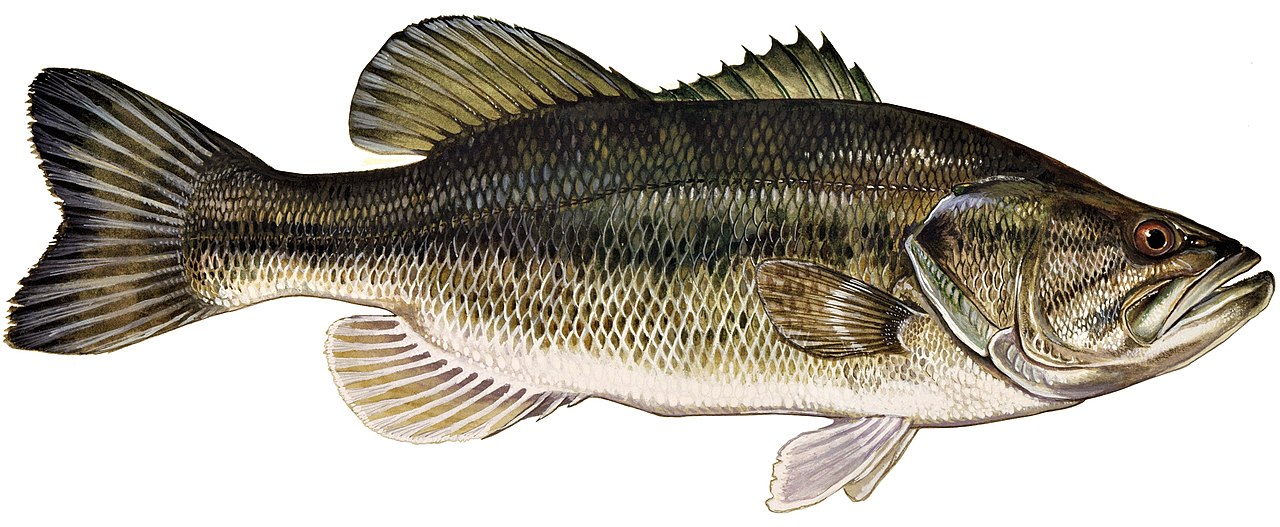
- Largemouth bass (a prized sport fish)
- Crappies
- Bluegill
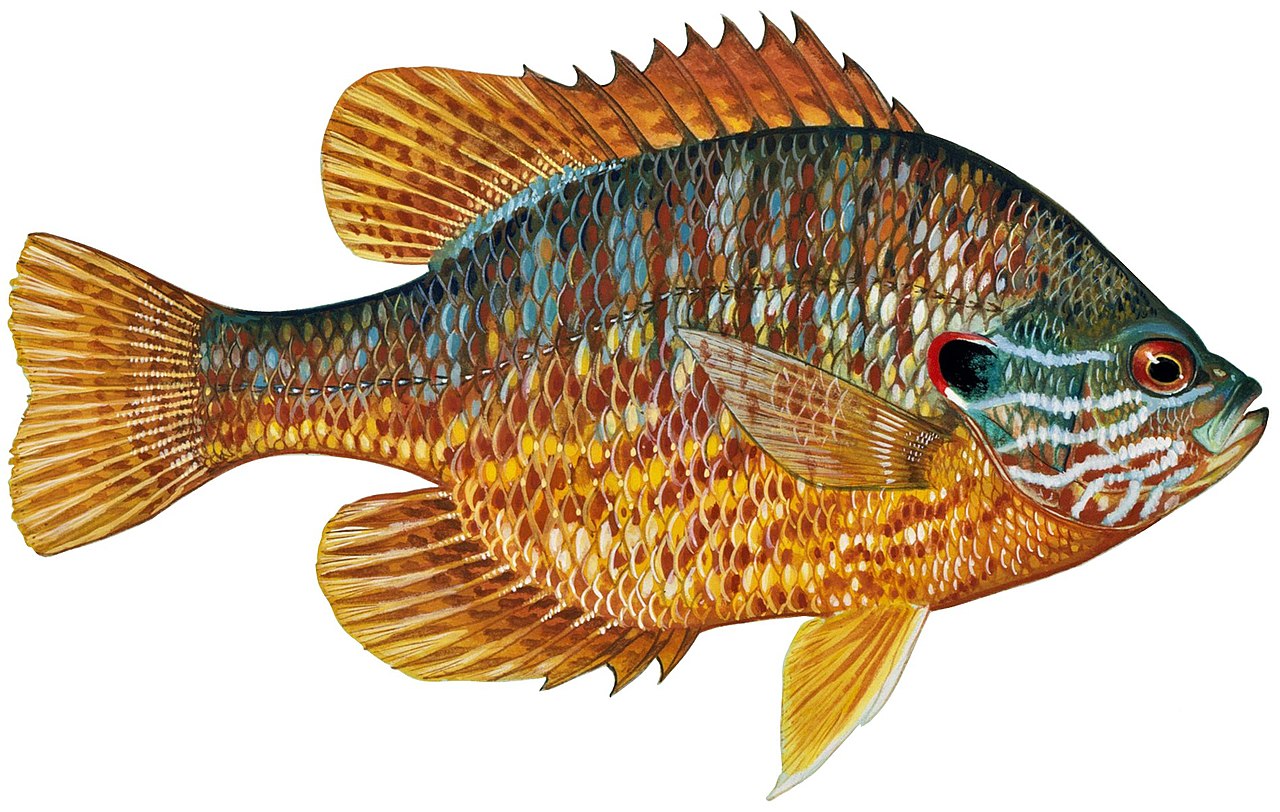
- Pumpkinseed
These species vary in size and shape but share a set of anatomical features described below. For regional distribution and species lists consult regional faunal surveys.
Physical characteristics
Members of Centrarchidae are identified by a combination of traits: a laterally compressed body, a single dorsal fin with both spiny and soft-rayed portions, and usually five to thirteen dorsal spines. Typical adult lengths are in the 20–30 cm range, though extremes exist — some small sunfish species reach only about 8 cm while large bass have been recorded approaching 1 m in exceptional cases. Diets range from small invertebrates and insects to smaller fish, depending on species and age. Field guides and anatomical keys provide further diagnostic details (anatomy and ID).
Behavior, reproduction and life history
Many centrarchids exhibit distinctive reproductive behaviors. Males commonly excavate shallow nests by fanning the substrate with their tails, then guard eggs and young until they can fend for themselves. This parental care increases offspring survival and is a characteristic trait of the family. Feeding strategies, habitat preference (lakes, ponds, rivers, vegetated shallows) and seasonal movements vary among species; see life history summaries for details.
Distribution, human use and impacts
All native centrarchids were originally restricted to North America, but several species have been introduced elsewhere for angling. Such introductions have produced established populations in other continents and sometimes led to negative ecological effects where they compete with or prey upon native fauna. These interactions are documented in invasive species literature (introduction records, invasive species studies). Sunfishes are central to recreational fisheries and local economies, and they are commonly used in sport, education and ecological studies.
Notable distinctions and conservation
Despite the common name "sunfish," centrarchids are distinct from oceanic sunfishes (family Molidae). Conservation status differs by species: some are abundant and heavily fished, while others have restricted ranges and face habitat loss or water-quality threats. Management typically combines habitat protection, stocking policies and angler regulations to maintain populations and recreational value. For management guidance and conservation overviews consult local agencies and comprehensive references (taxonomic overview, species accounts).
Questions and answers
Q: What is Centrarchidae?
A: Centrarchidae is a family of freshwater ray-finned fish that belongs to the order Perciformes.
Q: What is the type genus of Centrarchidae?
A: The type genus of Centrarchidae is Centrarchus, which consists solely of the flier, C. macropterus.
Q: What are some examples of fish that belong to Centrarchidae?
A: Some examples of fish that belong to Centrarchidae include rock bass, largemouth bass, bluegill, pumpkinseed, and crappies.
Q: Where are Centrarchidae fish native to?
A: Centrarchidae fish are native only to North America.
Q: How are family members of Centrarchidae distinguished?
A: Family members of Centrarchidae are distinguished by having from five to 13 dorsal spines, which are sharp bones in the dorsal fin.
Q: What are the sizes of most Centrarchidae fish?
A: The sizes of most Centrarchidae fish are in the 20 to 30 cm (7.9 to 11.8 in) range.
Q: Why are most sunfish valued?
A: Most sunfish are valued for sport fishing.
Related articles
Author
AlegsaOnline.com Centrarchidae (Sunfish): freshwater bass, bluegill, crappies and allies Leandro Alegsa
URL: https://en.alegsaonline.com/art/18097