
Spider silk: biology, properties, and human applications
An encyclopedic overview of spider silk: how spiders make it, its structure and mechanical properties, natural functions, varieties, and ongoing efforts to replicate it for medical and industrial uses.
Overview
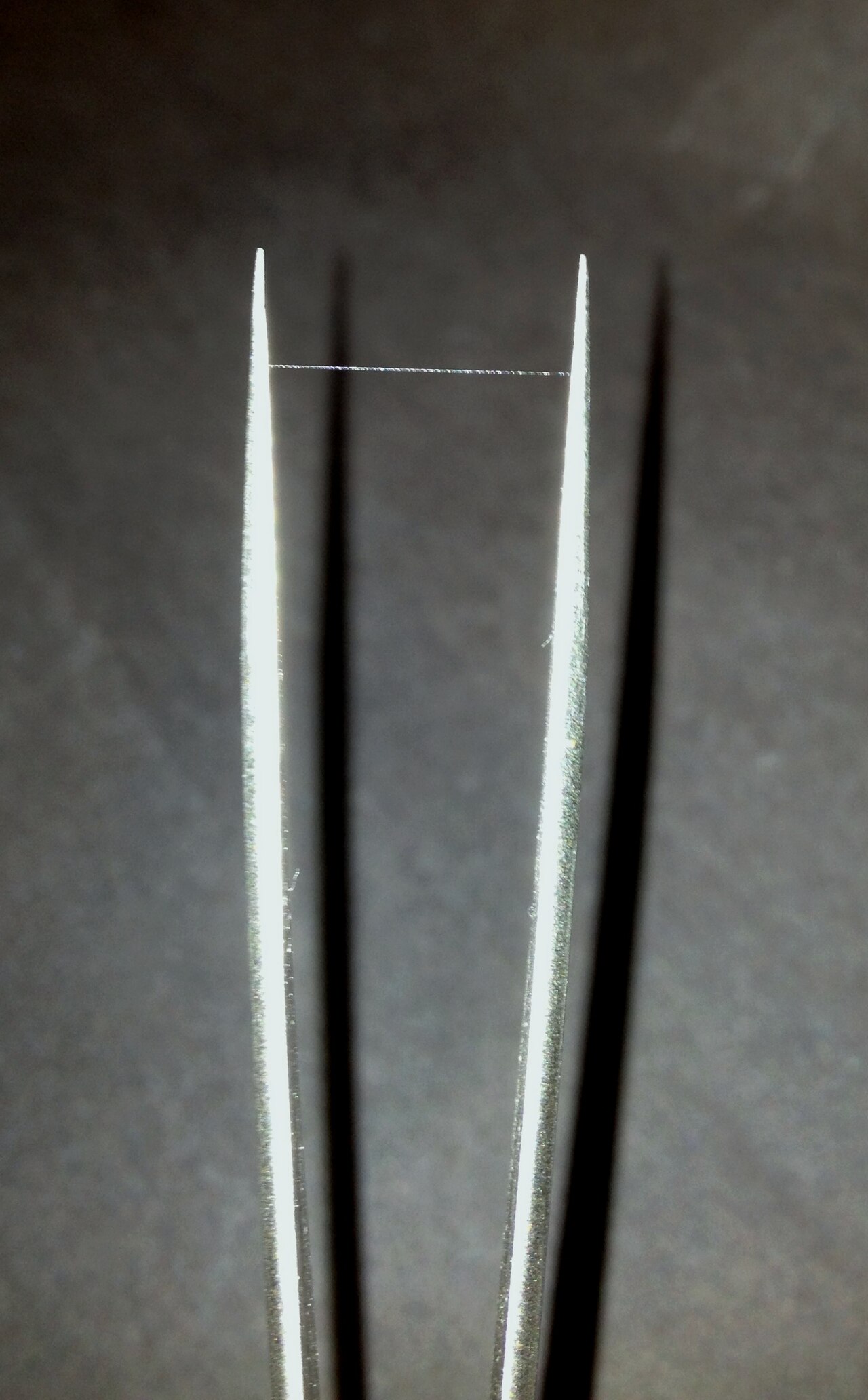
Spider silk is a protein-based fibre produced by many species of spiders. It serves multiple roles in a spider's life: building webs to capture prey, forming lifelines for locomotion, spinning egg sacs for protection, and wrapping captured food. Often described as a natural fibre with a rare combination of strength and elasticity, spider silk has attracted scientific interest for centuries.
Image gallery
10 Images


Composition and production
Silk threads are made from large structural proteins called spidroins that are synthesized in specialised silk glands in the spider's abdomen. Each gland produces a distinct silk type. Liquid protein dope is extruded through spinnerets and converted into a solid fibre by a controlled process of dehydration, pH change and mechanical shear. This biological spinning gives silk its characteristic microstructure and performance.
Types and biological functions
Different glands yield functionally distinct silks. Common types include:
- Dragline (major ampullate) – strong structural threads used as lifelines and web frames.
- Capture spiral (flagelliform and aggregate) – elastic, often coated with sticky glue for trapping prey.
- Tubiliform – used to construct egg sacs and protect offspring.
- Aciniform and others – used for wrapping prey, lining retreats or anchoring silk structures.
Mechanical properties and distinctions
Spider silk combines high tensile strength with extensibility, giving it high toughness. In popular descriptions it is often said to be "tougher than steel on a per-weight basis," which reflects the fibre's notable energy absorption relative to its mass. Mechanical performance varies by silk type and species. Unlike the continuous filament silk produced by silk worms and harvested in sericulture, spider silk is spun by individual animals and historically has been difficult to collect in large quantities.
Human interest and applications
Because of its biodegradability and mechanical traits, spider silk is studied for medical sutures, tissue engineering scaffolds, high-performance fibres and advanced composites. Direct farming of spiders is impractical—many species are solitary or cannibalistic—so research has focused on producing spidroin proteins recombinantly in bacteria, yeast, plants or transgenic animals, and on biomimetic spinning techniques to replicate natural fibre properties.
Notable facts and conservation
Spider silk illustrates how evolution can produce multifunctional materials at ambient temperatures. While it cannot yet compete with industrial fibres in bulk production, advances in biotechnology aim to bridge that gap. For further reading on spiders, silk production, and ongoing synthetic efforts see resources linked here: silkworms and comparative sericulture, and additional scientific overviews at relevant repositories.
Related articles
Author
AlegsaOnline.com Spider silk: biology, properties, and human applications Leandro Alegsa
URL: https://en.alegsaonline.com/art/92664