
Sporangium: enclosure for spores and its role in plant and fungal life cycles
A sporangium is a single-celled or multicellular structure where spores form. Found in plants, fungi and other groups, sporangia function in both asexual and sexual reproduction and vary widely in form.
Overview
A sporangium is an organ or cell in which reproductive cells called spores are produced and often released. Sporangia occur across many lineages of life: they are common in various plants, many fungi, and a number of other groups of organisms (see related lineages). Depending on the species, a sporangium may be a single cell or a multicellular structure with specialized tissues.
Image gallery
6 Images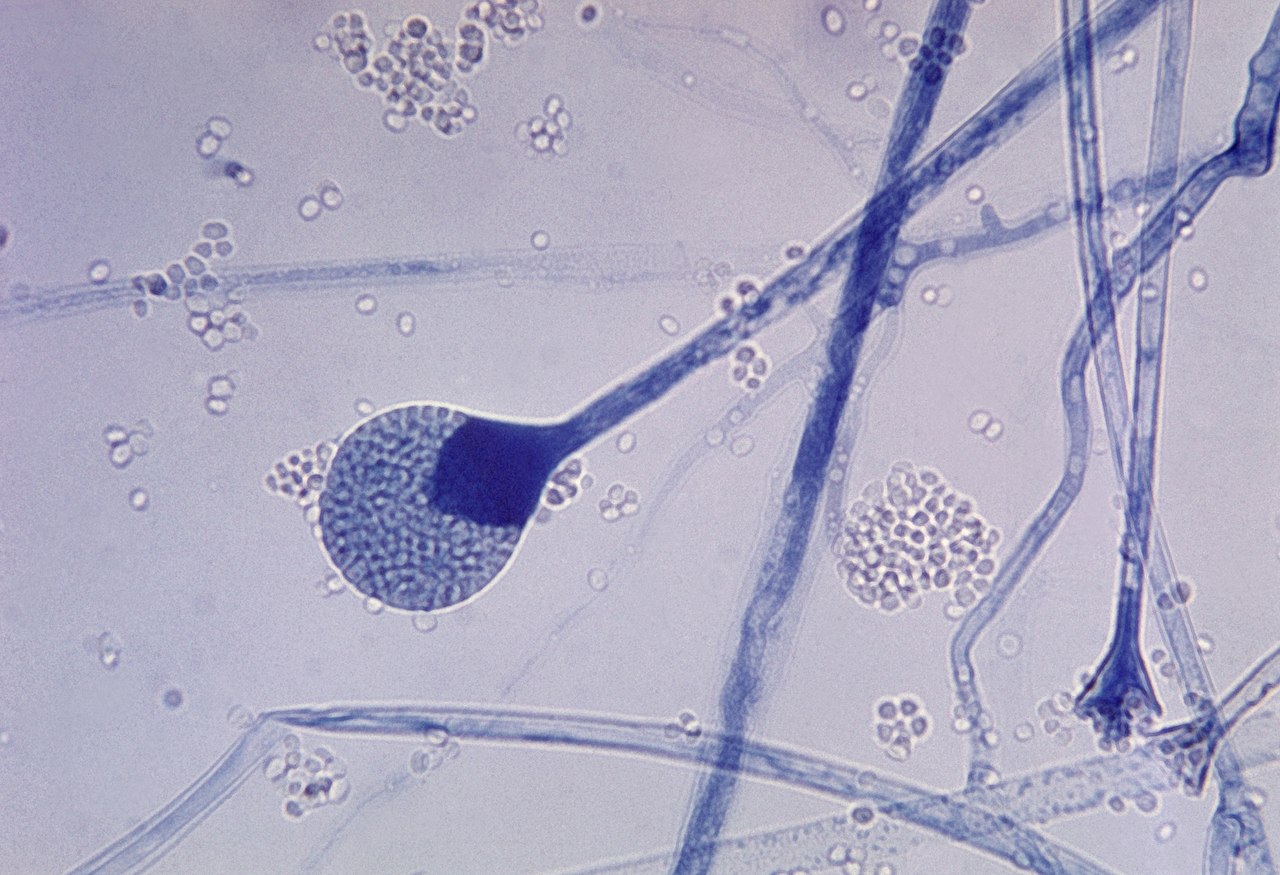



Structure and types
Sporangia range from microscopic sacs to conspicuous multicellular bodies. Some major distinctions used by biologists include:
- Single-celled vs multicellular: certain fungal and protist sporangia are single cells, while many plants produce multicellular sporangia with protective layers.
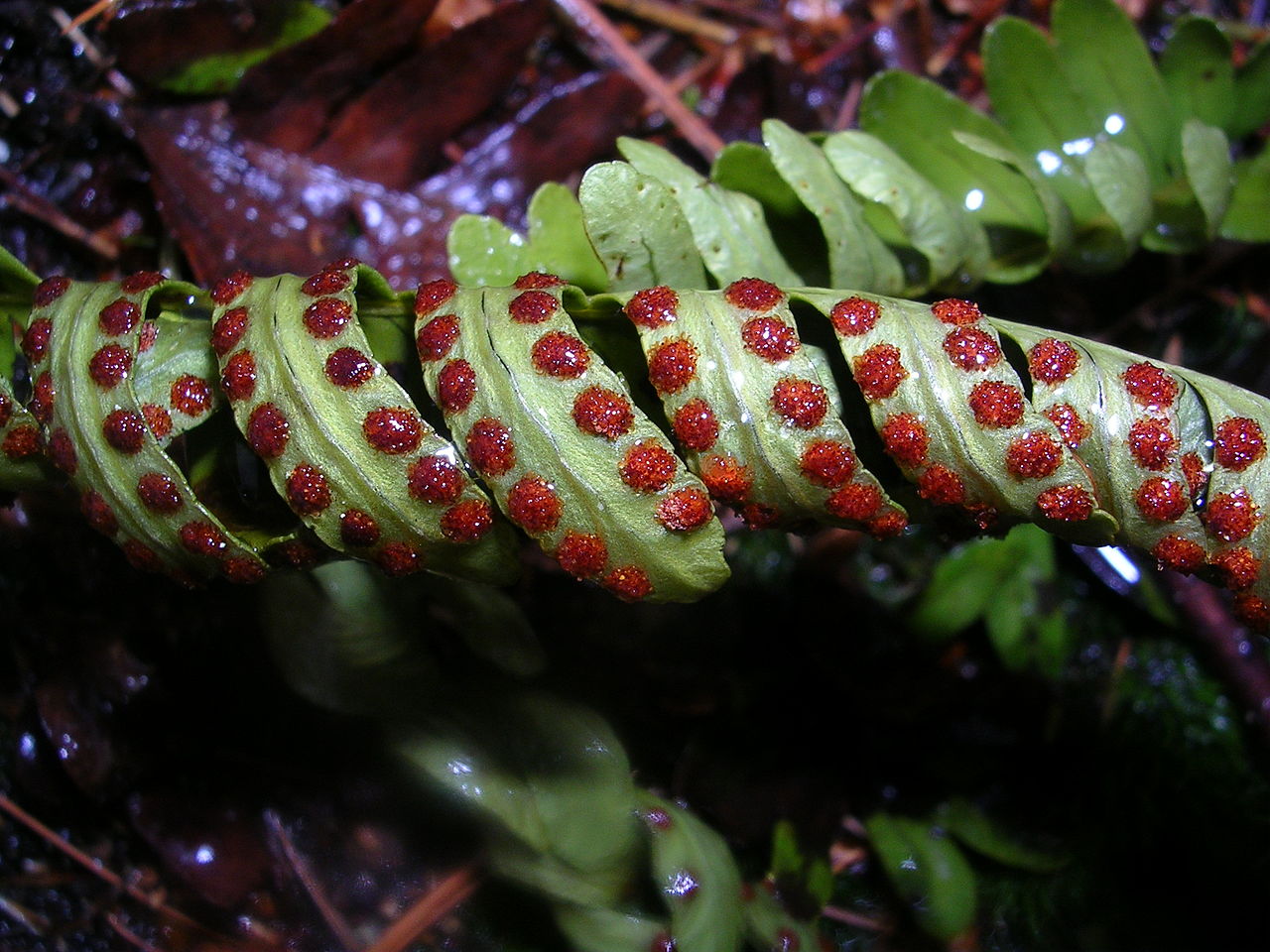
- Leptosporangium vs eusporangium: in ferns and their relatives, leptosporangia develop from a single initial cell and often have a specialized ring of cells (an annulus) that aids spore release; eusporangia arise from several initial cells and are generally larger and thicker-walled.
- Microsporangium and megasporangium: in seed plants the smaller pollen-producing sporangia are called microsporangia, and the larger female sporangia that produce megaspores are called megasporangia.
Role in reproduction
Sporangia are sites of spore production by either mitotic or meiotic divisions. Some sporangia generate genetically identical spores through mitosis as part of asexual propagation, while in many land plants and in numerous fungi sporangia are the location of meiosis, producing genetically diverse, haploid spores that can disperse and establish the next generation. Certain groups have sporangia specialized for asexual spore formation (asexual spores), and others alternate between sexual and asexual cycles.
Occurrence and notable examples
Typical examples include the clustered sporangia (sori) found on the undersides of fern fronds, the spore-bearing cones of many gymnosperms, and the anthers of flowering plants that enclose multiple microsporangia. In flowering plants, the tissue that gives rise to the female spores inside the ovule is commonly termed the nucellus; the nucellus is therefore a form of megasporangium. Fungi may produce sporangia on specialized hyphae or inside fruiting structures, and some algae form sporangia as part of seasonal life-cycle stages.
Importance and distinguishing facts
Sporangia are central to the alternation of generations in plants, linking multicellular diploid and haploid phases. Their form, position and developmental pattern are important diagnostic features in plant and fungal taxonomy and ecology. Variation in sporangium design—such as dehiscent versus indehiscent release mechanisms, clustering patterns, or protective coverings—affects dispersal strategy, spore protection and survival under different environmental conditions.
Practical notes
- Identification: botanists use sporangium traits (shape, wall structure, dehiscence) to help identify ferns and their relatives.
- Ecology: sporangia influence timing and distance of spore release, affecting colonization and population dynamics.
- Terminology: when reading botanical or mycological literature, note that the same term can refer to a single cell or a complex organ depending on the organism.
For further general information and images, consult introductory resources and taxon-specific references: spore basics, plant reproductive organs, fungal life cycles, comparative lineages, asexual reproduction, mitosis overview, meiosis overview, haploid-diploid states, flowering-plant ovules.
Related articles
Author
AlegsaOnline.com Sporangium: enclosure for spores and its role in plant and fungal life cycles Leandro Alegsa
URL: https://en.alegsaonline.com/art/92787
Sources
- oxforddictionaries.com : oxforddictionaries.com/page/442
- mobot.org : Angiosperm Phylogeny Website, Glossary