
Sphalerite: the primary zinc sulfide mineral
Sphalerite (Zn,Fe)S is the chief ore of zinc. This article covers its composition, appearance, structure, deposits, uses and notable properties that distinguish it from related sulfide minerals.
Overview
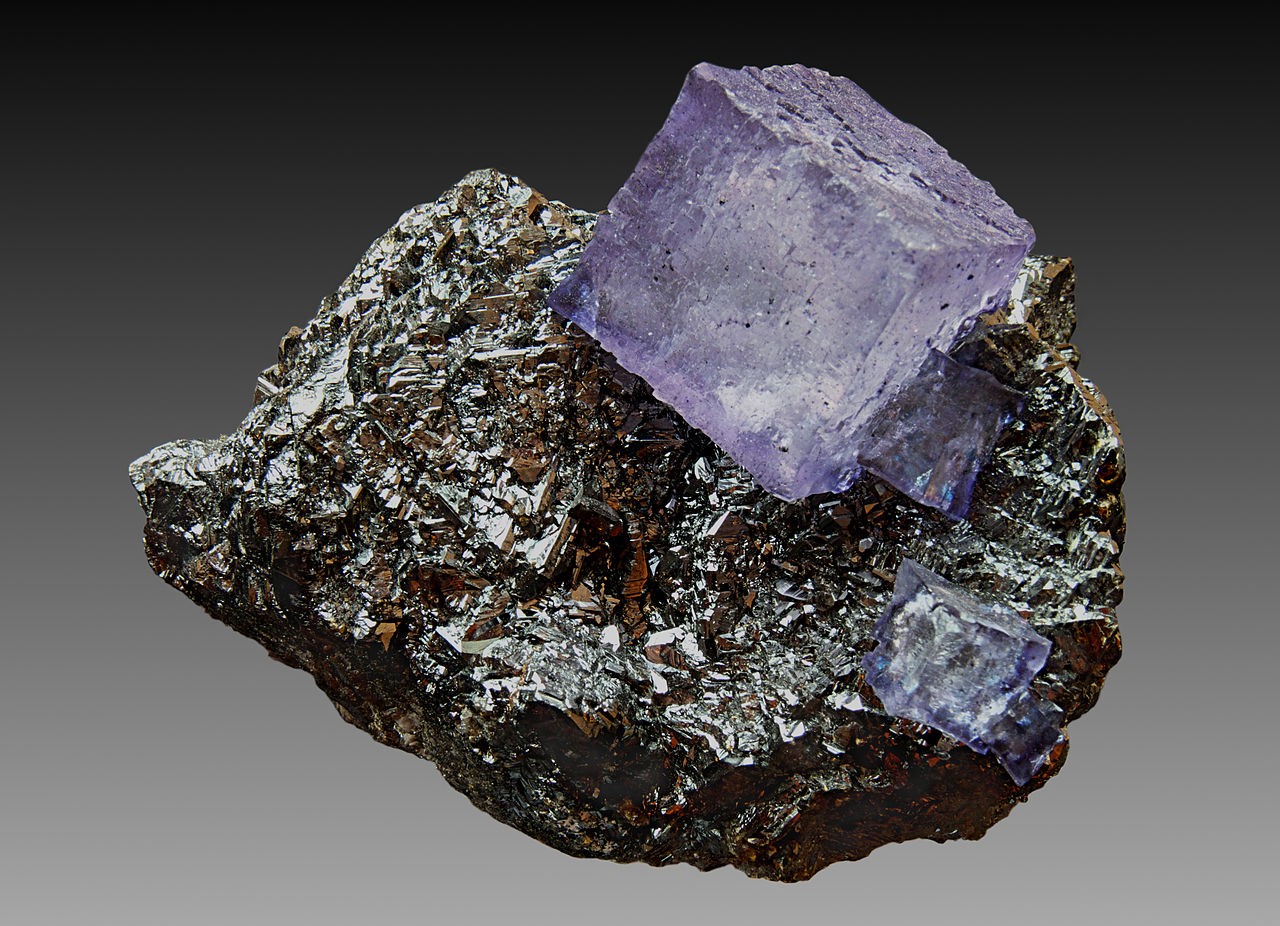
Sphalerite is a naturally occurring sulfide mineral composed mainly of zinc and sulfur with variable iron content, commonly written (Zn,Fe)S. Often called zinc blende, it is the most important ore for zinc production. Sphalerite occurs in a wide range of colors from yellow and brown to green, red and black; iron-rich samples tend to be darker and more opaque.
Image gallery
10 Images




Composition and appearance
The mineral's chemical composition allows iron to substitute for zinc in its crystal lattice. This substitution affects color, density and luster: low-iron crystals are typically pale and may be gemmy, while iron-rich varieties can appear nearly black. Its surface luster ranges from resinous to adamantine in transparent specimens. Sphalerite has a relatively low hardness (Mohs 3.5–4) and a characteristic streak that is pale yellow to brown.
Structure and physical properties
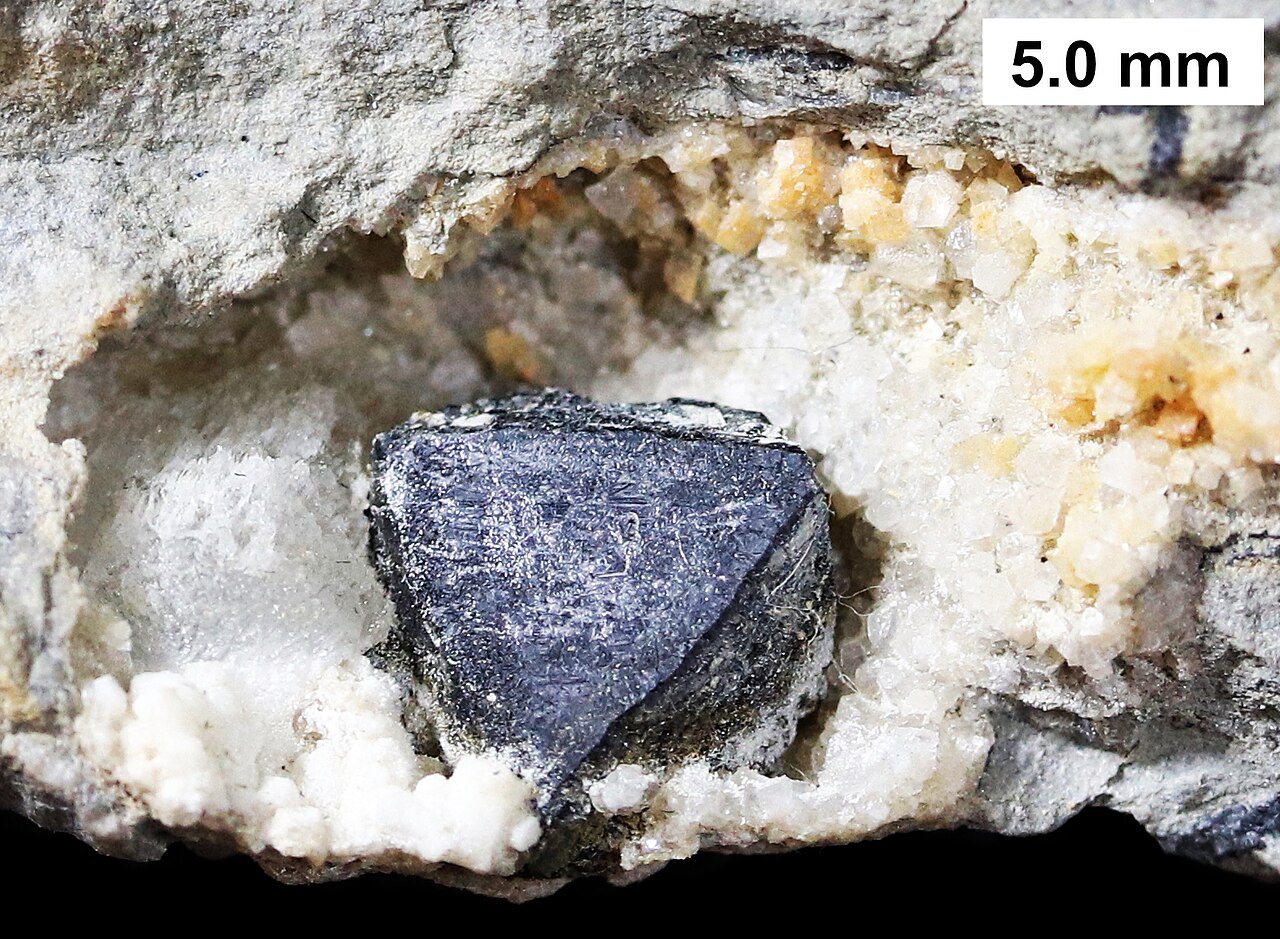
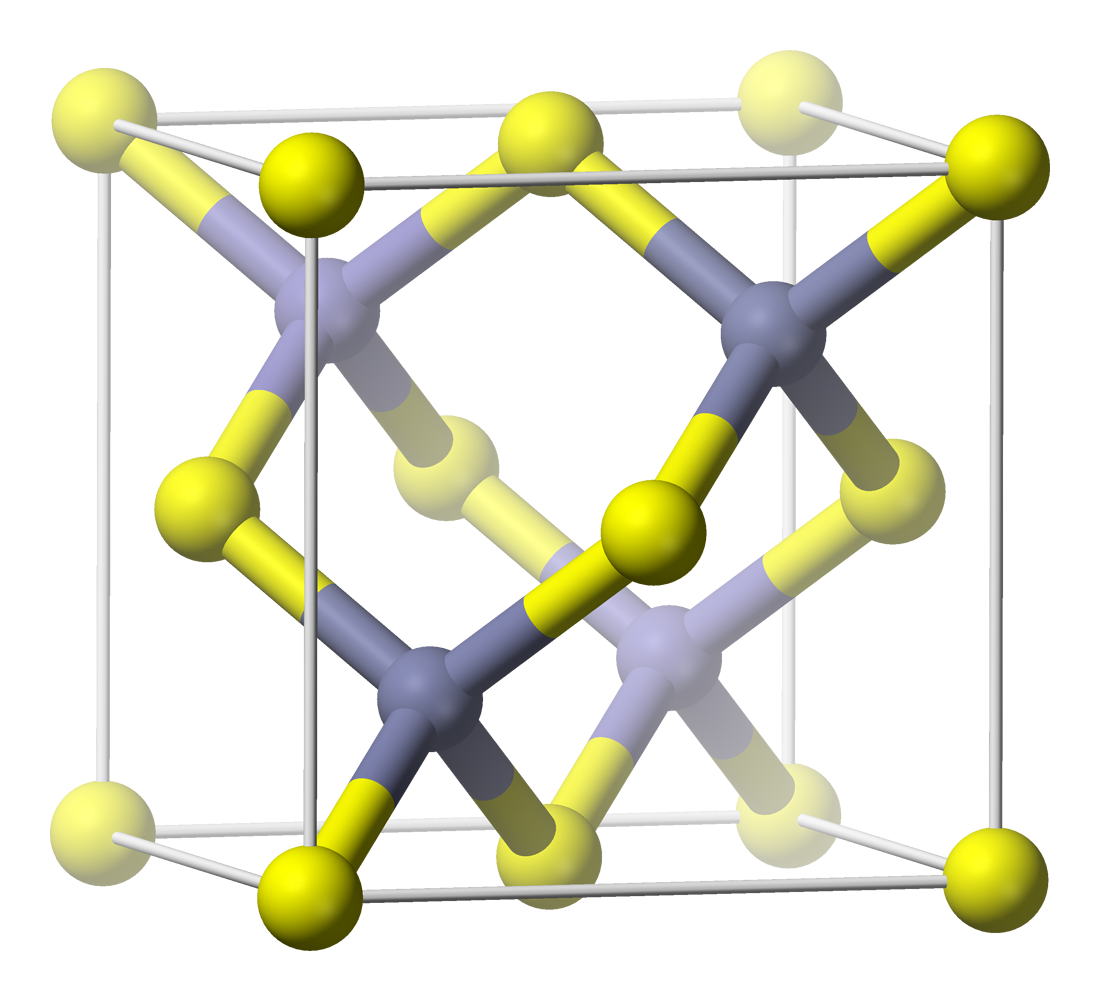
Sphalerite crystallizes in the isometric (cubic) system and commonly forms tetrahedral to dodecahedral crystals or granular masses. It exhibits good to perfect cleavage, which makes flawless gem cutting difficult; however, gem-quality transparent pieces are prized for their exceptional brilliance and dispersion despite being soft and fragile compared with typical gem materials.
Occurrence and history
Geologically, sphalerite is found in hydrothermal vein systems, Mississippi Valley-type (MVT) deposits, skarns and other settings associated with sulfide mineralization. It is frequently found together with other sulfides such as galena, and commonly occurs alongside minerals that contain zinc, iron and other metals. The common name "blende" reflects historical miner's terminology for ores that could be deceptive in appearance.
Uses and economic importance
Sphalerite is the principal source of the metal zinc, which is extracted and used for galvanizing steel, producing brass and other alloys, and manufacturing a variety of chemical compounds. Processing sphalerite involves concentration and smelting or hydrometallurgical methods to obtain metallic zinc. Mining and processing can produce sulfur-rich waste that requires environmental management to minimize acid drainage.
Notable distinctions and facts
- Sphalerite is distinct from similar sulfides by its zinc content and variable iron substitution.
- Gem-quality sphalerite is valued for dispersion and brilliance but is rarely used in jewelry due to softness and cleavage.
- Economically, it remains the primary ore of zinc, often associated with lead ore deposits and other sulfide minerals.
Because of its variable appearance and associations, sphalerite is important both to mineral collectors for its diverse habits and to industry as the dominant source of zinc. For further technical data or specimen references see mineralogical databases and mining resources linked here: Sphalerite overview, zinc information, iron in minerals.
Related articles
Author
AlegsaOnline.com Sphalerite: the primary zinc sulfide mineral Leandro Alegsa
URL: https://en.alegsaonline.com/art/92637