
Lead (chemical element)
Lead (Pb, atomic number 82) is a dense, malleable heavy metal used historically in pipes, paints, and lead–acid batteries. It is highly toxic, commonly found in the +2 oxidation state, and widely regulated.
Overview
Lead is a metallic chemical element with the symbol Pb and atomic number 82. Its name derives from Latin plumbum. Lead is dense and soft compared with many metals, has a relatively low melting point, and forms a dull oxide layer on exposure to air. For a concise reference on the element itself see the general element page.
Image gallery
10 Images


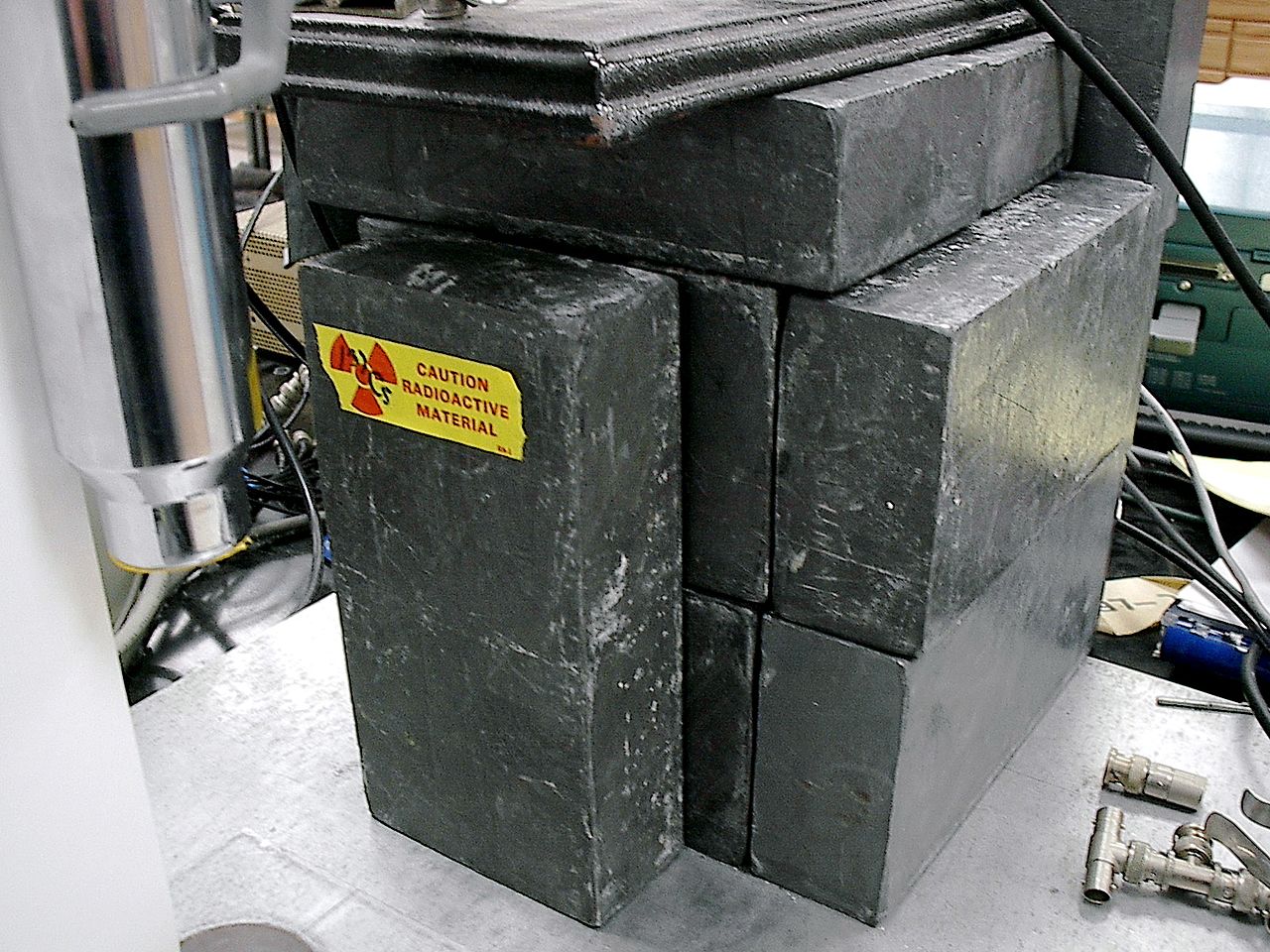

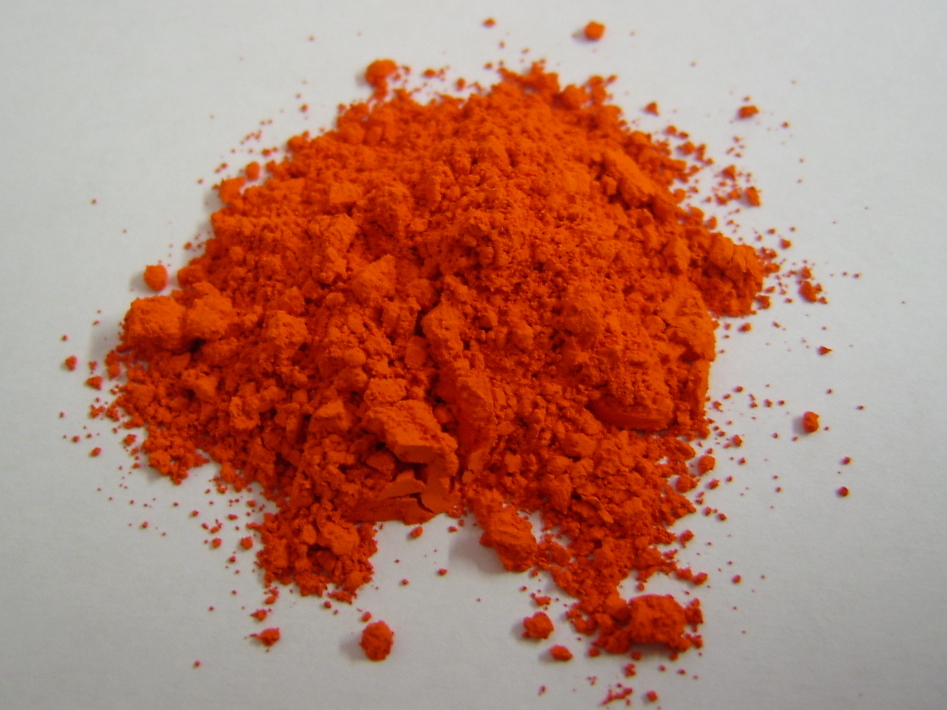
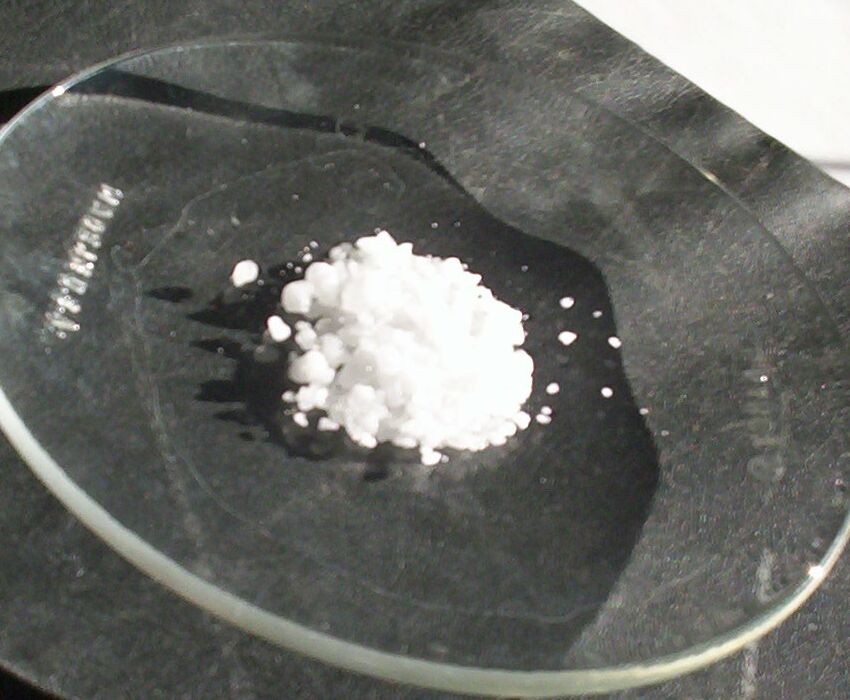
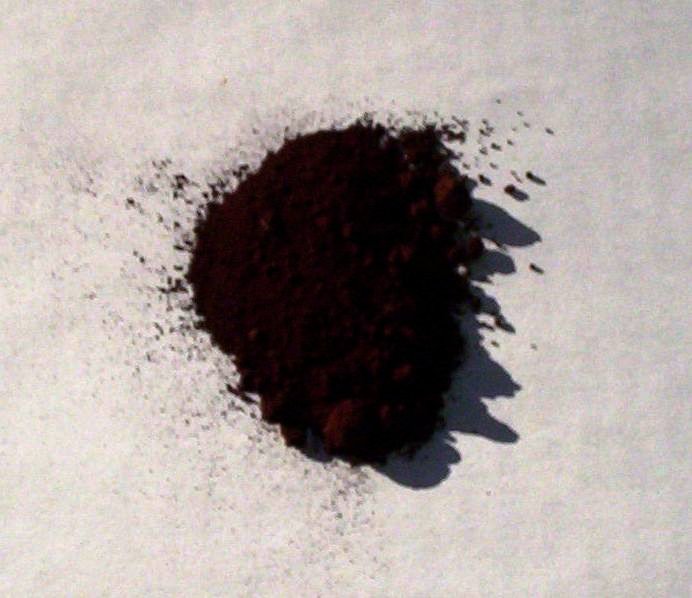

Physical and natural occurrence
Lead commonly occurs in the mineral galena (lead sulfide) and is obtained by smelting. It is notable for its high density and malleability, properties that historically made it easy to cast and shape. Its characteristic physical properties and typical isotopic composition are discussed in technical summaries such as atomic data and mass tables.
History and uses
Humans have mined and used lead for millennia. Because it was easy to work, lead was employed in pipes, roofing, glazes and cosmetics in many ancient cultures. In the 19th and 20th centuries it was widely used in paints and as an additive in gasoline, and it remains a primary component of lead–acid batteries. Changing regulations have curtailed many traditional uses; for background on policy and phase-out efforts see public health resources.
Chemistry and compounds
Lead typically exhibits a +2 oxidation state in salts and oxides; a +4 state exists but is less common. Important classes of lead compounds include oxides, sulfides, and organic derivatives. Some organolead compounds were historically used as fuel additives, though environmental concerns led to their discontinuation in many countries. Technical overviews and safety data are available at reference sources.
Toxicity, environmental impact, and regulation
Lead is a cumulative toxicant that affects multiple body systems, notably the nervous system, and is especially harmful to young children. Due to these risks, many jurisdictions restrict lead in consumer products, paint, plumbing and fuels, and encourage recycling of lead-containing devices such as batteries. Guidance on exposure limits and remediation is provided in public health and occupational literature.
Notable distinctions
In English the word lead can be pronounced two ways: as the metal ("led") and as the verb or adjective related to guidance ("leed"). The chemical symbol Pb, its long history of use, and its serious health effects make lead a subject of interest across metallurgy, public health and environmental policy.
Related articles
Author
AlegsaOnline.com Lead (chemical element) Leandro Alegsa
URL: https://en.alegsaonline.com/art/56734
Sources
- bbc.co.uk : "Discovering Roman Technology"
- wikidata.org : wikidata.org/wiki/Q708
- catalogo.bne.es : XX529699
- catalogue.bnf.fr : cb119567697
- data.bnf.fr : (data)
- d-nb.info : 4145879-5
- id.loc.gov : sh85075435
- catalog.archives.gov : 10663134
- id.ndl.go.jp : 00568006