
Vacuum (absence or near-absence of matter)
A vacuum is a region with very low or no matter and reduced pressure. This article explains its physical properties, history, how vacuums are made and measured, and common scientific and industrial uses.
Overview
A vacuum is a space in which there is little or no matter, including the absence or severe reduction of ordinary air. In everyday language "vacuum" can mean a complete void, but in practice even extreme vacuums contain a few atoms or molecules. Because a vacuum lacks a continuous material medium, mechanical waves such as sound cannot travel through it; by contrast, electromagnetic radiation like visible light propagates readily in a vacuum.
Image gallery
9 Images





Key properties
Important characteristics of a vacuum include pressure (how much the local gas density is reduced), mean free path (the average distance a particle travels without colliding), and residual particle types and energies. Even low-density regions such as outer space are not perfect vacuums: sparse atoms, ions and energetic particles remain. At very low densities, gas behaviour departs from fluid assumptions and must be treated statistically.
How vacuums are produced and measured
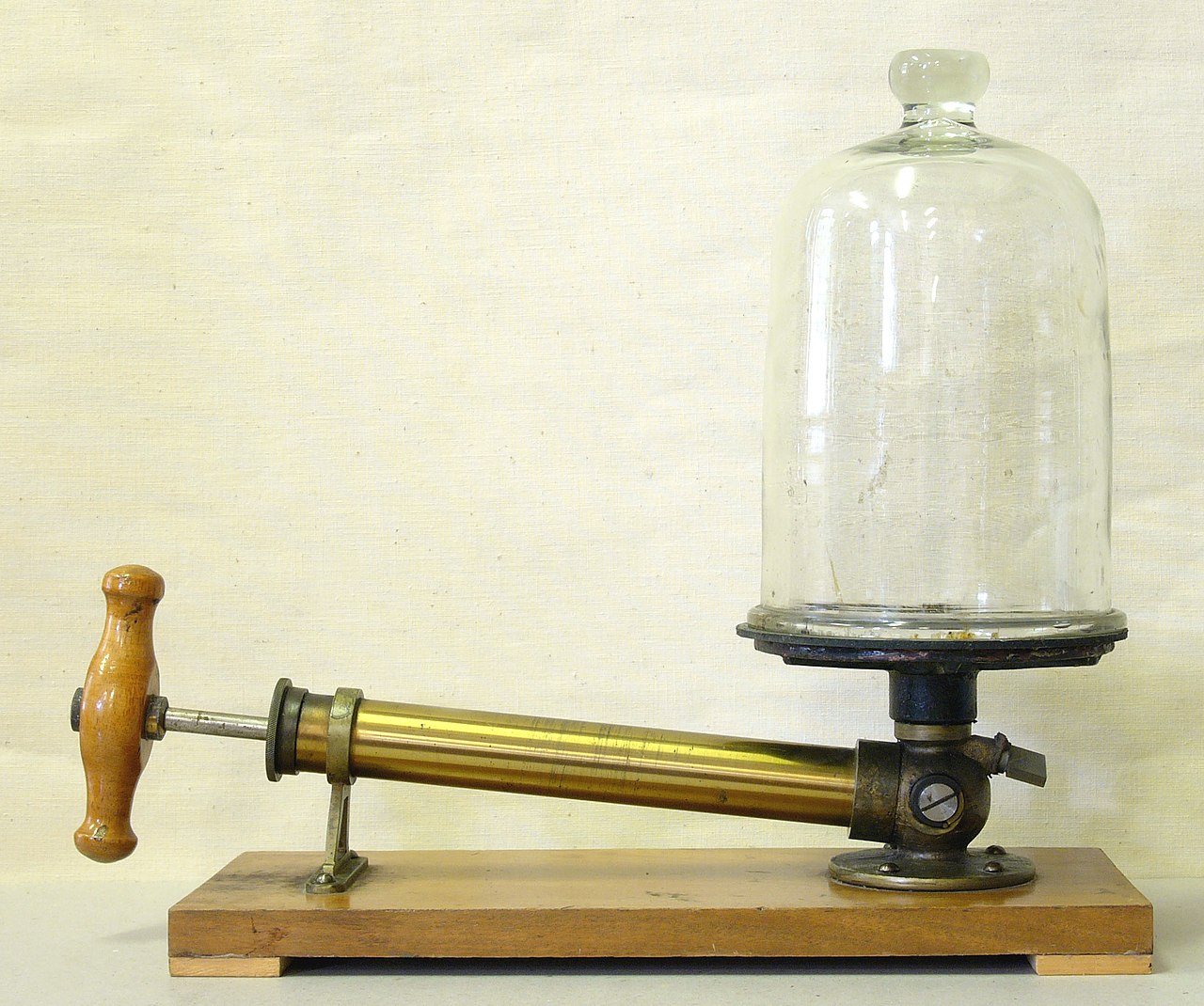
Laboratory and industrial vacuums are produced with pumps and sealed chambers. Common technologies include mechanical (rotary) pumps for rough vacuums, and high-vacuum pumps such as turbomolecular or diffusion pumps for much lower pressures. Vacuum gauges and sensors measure pressure using thermal, ionization or capacitance techniques. The term "high vacuum" or "ultra-high vacuum" denotes increasingly lower pressures and more stringent cleanliness and sealing requirements.
History and scientific development
The existence and nature of a vacuum has been debated through history. Early philosophical positions often denied the possibility of empty space. In the 17th century, experiments by figures such as Torricelli and later Otto von Guericke provided experimental evidence for reduced-pressure regions and led to the development of practical pumps and barometers. Those advances established vacuum science as a foundation of experimental physics and engineering.
Applications and examples
- Scientific research: particle accelerators, electron microscopes and surface science require controlled vacuums to prevent interference of gas molecules.
- Industrial processes: semiconductor fabrication, thin-film deposition and vacuum metallurgy rely on low-pressure environments.
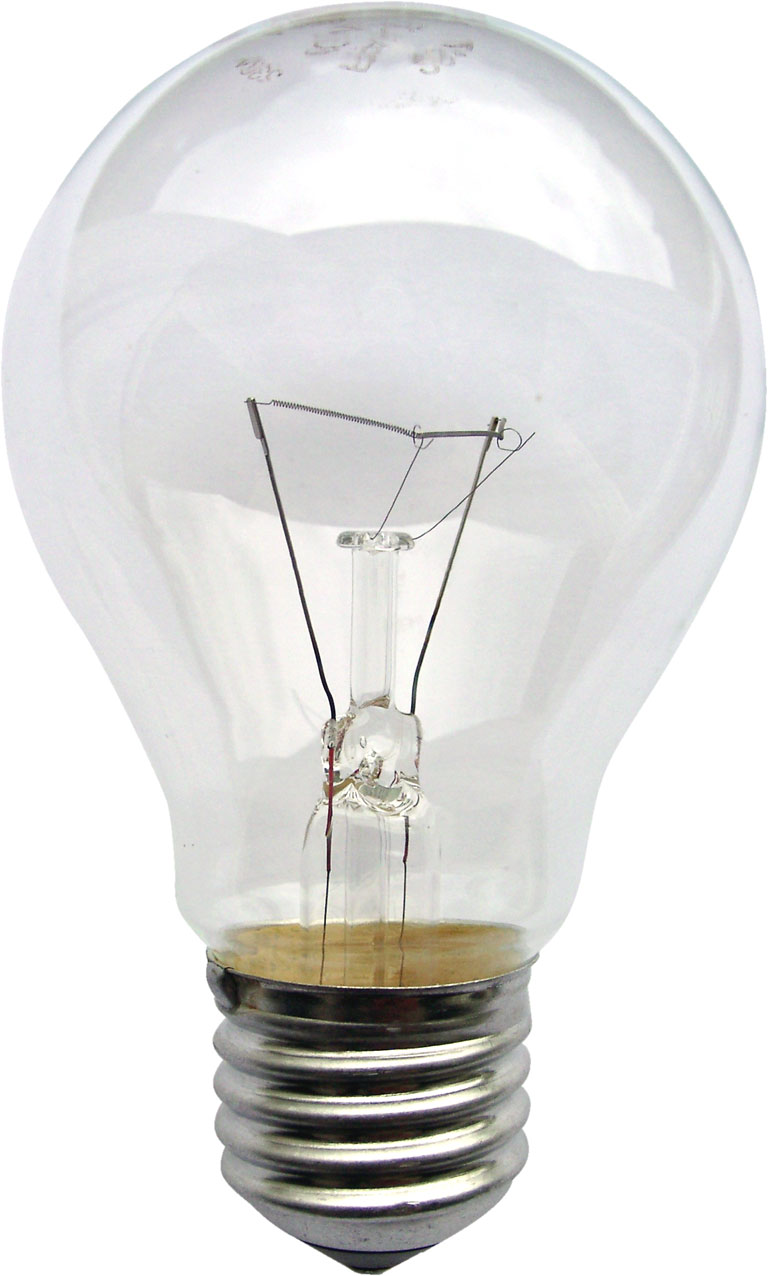
- Everyday technologies: vacuum insulation in flasks, vacuum packaging and vacuum tubes used historically in electronics.
- Natural settings: regions of space between stars and planets illustrate how vacuums appear in astrophysics, despite the presence of sparse particles.
Notable distinctions
When discussing vacuums it is useful to distinguish perfect vacuums (a theoretical absence of all matter) from partial vacuums (lowered pressure relative to ambient). Practical vacuums are characterized by residual gas composition, achievable pressure, and the intended application. Modern technology can create environments extremely close to empty, but some form of residual energy or quantum fluctuation remains a subject of ongoing study.
For further introductory resources see general references and technical guides: matter overview, atmospheric composition, sound propagation, particle physics summaries, and space environment descriptions.
Related articles
Author
AlegsaOnline.com Vacuum (absence or near-absence of matter) Leandro Alegsa
URL: https://en.alegsaonline.com/art/103851
Sources
- vakuum-bohemia.cz : Industrial vacuum information