
St. Catharines — the Garden City of Ontario's Niagara Region
Overview of St. Catharines, Ontario: geography, history, economy, institutions and attractions. Largest city in the Niagara Region with strong ties to shipping, education, wine and recreational rowing.
Overview
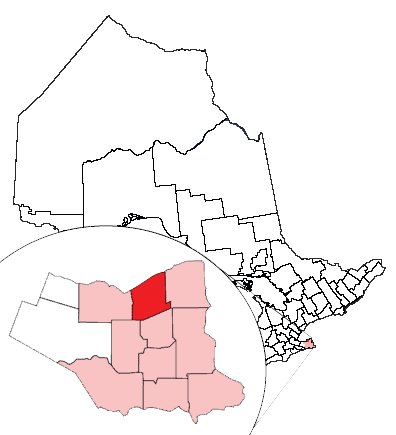
St. Catharines is the largest municipality in Ontario's Niagara Region and serves as a regional hub for culture, education and commerce. It lies on the southern shore of Lake Ontario and along the Niagara Peninsula. The city was home to roughly 132,000 people in the mid-2000s (see 2006 data) and plays a leading role within the Niagara Region.
Image gallery
10 Images




Geography and urban character
The city sits at the foot of the Niagara Escarpment and is traversed by waterways such as Twelve Mile Creek. Port Dalhousie on Lake Ontario, nearby marinas and former canal works give St. Catharines a strong waterfront presence. Many neighbourhoods are interwoven with parks, community gardens and trails, which inspired the long-standing nickname "The Garden City."
History and development
Indigenous peoples lived in this region for centuries before European settlement. During the 19th and early 20th centuries, the arrival of canals, railways and industry shaped growth: shipping and manufacturing were important economic drivers. Over time the city diversified into education, services and tourism while retaining heritage districts and waterfront features from its industrial past.
Economy, institutions and events
St. Catharines hosts Brock University, which contributes to research, arts and student life. The local economy blends light manufacturing, health care, retail and tourism linked to the wider Niagara wine region. St. Catharines is also well known for rowing: the Royal Canadian Henley Regatta is a major international event held on its waterways.
Attractions and civic life
- Port Dalhousie and lakeside parks with historic piers and a carousel
- Trails on the Niagara Escarpment and riverside greenways
- Community gardens, festivals and arts programming that reflect the "Garden City" identity
- Accessible connections to nearby wine country, Niagara Falls and urban centres
As the principal city of the Niagara Region, St. Catharines combines natural features, institutional anchors and a waterfront legacy. Its mix of parks, cultural events and educational facilities continues to shape its role as a regional centre for both residents and visitors.
Related articles
Author
AlegsaOnline.com St. Catharines — the Garden City of Ontario's Niagara Region Leandro Alegsa
URL: https://en.alegsaonline.com/art/93006