
Kingston, Ontario — the Limestone City at Lake Ontario's eastern end
Kingston is a historic Canadian city on Lake Ontario where the lake flows into the St. Lawrence. Known for limestone architecture, Fort Henry, Queen's University and its role in early Canadian history.
Kingston sits at the eastern end of Lake Ontario where the lake narrows into the St. Lawrence River and the Thousand Islands region begins. That strategic waterfront location has shaped Kingston’s development as a military, transportation and commercial centre. The city’s compact downtown, 19th‑century streets and parks along the harbour are among its most recognisable features.
Image gallery
10 Images
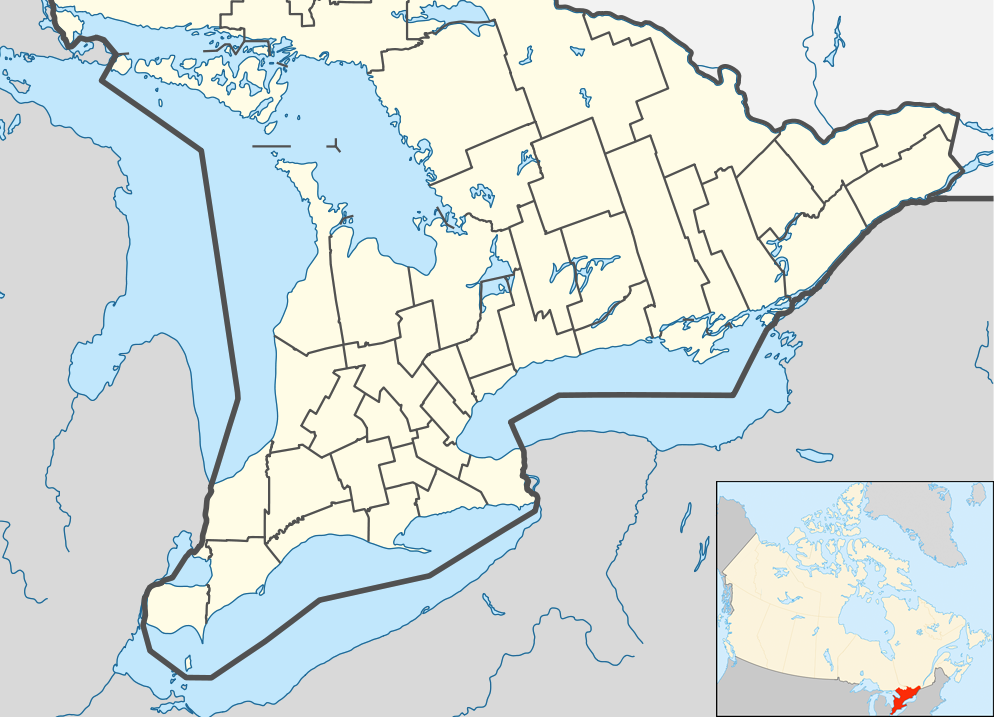


Geography and setting
Kingston occupies a promontory between Lake Ontario and the St. Lawrence system, with a natural harbour that has long supported shipping and navigation. The city is set on a series of limestone ridges and low-lying waterfront areas; the local geology provided building stone that influenced the appearance of civic and institutional architecture. Readers seeking maps or official geographic details can consult municipal and provincial resources about the lake and waterways.
Early history and strategic role
Indigenous peoples used the area for centuries before European contact. In the 17th and 18th centuries the site developed as a French trading post and military location. During the 18th and 19th centuries Kingston grew as a garrison town and naval base because of its control over inland water routes between the Great Lakes and the St. Lawrence. The city was involved in several military episodes in the early 19th century and in the years around the War of 1812; these events shaped local fortifications and attitudes to defence in the border era.
Capital, growth and civic institutions
Kingston served briefly as the capital of the united Province of Canada in the 1840s, and it became an administrative centre for the surrounding county. The city developed institutions that remain important today: Queen’s University and the Royal Military College are nationally recognised, and historic facilities such as the former Kingston Penitentiary reflect other aspects of its past. Museums and archives in the city document local, regional and military history for researchers and visitors alike.
Architecture and heritage
Local limestone was quarried and used extensively in public buildings, churches and private houses, earning Kingston the nickname the "Limestone City." The appearance of pale stone, classical detailing and Victorian-era facades characterise much of the historic core. Fort Henry and associated defensive works stand as preserved examples of 19th‑century military architecture and are interpreted for the public through tours and reenactments.
Canals, waterways and UNESCO recognition
The nearby Rideau Canal links Kingston's broader region with Ottawa and was recognised for its historical significance when sections of the canal system received UNESCO recognition; local connections to the waterway are part of the city’s navigation and heritage story concerning the canal. The waterfront and nearby islands make Kingston a gateway for boating and seasonal tourism.
Economy, culture and transport
Kingston’s economy combines higher education, public administration, tourism, health care and light industry. A steady student population contributes to cultural life, while festivals, theatres and museums sustain a year-round arts scene. The city is also a regional transport node with road and rail links, ferry and recreational boating access, and municipal services that support residents and visitors.
Visiting and further information
Visitors are drawn to Kingston for its historic streets, military sites, waterfront parks and institutional campus settings. Practical information about visiting, events and conservation efforts is maintained by city authorities and local cultural organisations; many use official web pages and guides to publish schedules and visitor details about local heritage and stonework.
- Notable sites: Fort Henry, the lakeshore downtown, university campuses and historic districts.
- Heritage themes: military defences, 19th‑century civic architecture and maritime activity.
- Research and archives: local museums, university libraries and municipal collections provide primary sources for study and interpretation on historic conflicts.
For readers seeking official updates on services, demographics and municipal planning, Kingston’s city administration and regional agencies publish current information online and in public records. Historical summaries and guided tours help place the city’s many buildings, parks and institutions in their broader Canadian context.
Further reading and resources can be found through regional tourism offices and academic publications that cover Kingston’s urban development, architectural heritage and role in Atlantic‑Great Lakes navigation; for basic introductions and visitor resources see local guides and municipal pages about Kingston and waterways and conservation authorities related to the Rideau.
Kingston remains a city where geology, geography and history are visibly entwined: its limestone façades, preserved forts and shoreline parks continue to attract residents and visitors interested in Canada’s early urban and military past.
Related articles
Author
AlegsaOnline.com Kingston, Ontario — the Limestone City at Lake Ontario's eastern end Leandro Alegsa
URL: https://en.alegsaonline.com/art/53664
Sources
- cityofkingston.ca : About The City Of Kingston
- www12.statcan.ca : Statistics Canada 2006 Census for Kingston
- news.bbc.co.uk : Unesco names World Heritage sites