
Southern Province (Zambia)
Southern Province is a region of Zambia known for Victoria Falls, agricultural plains, and tourist centres. Choma is its seat; Livingstone remains an important city and gateway to the falls.
Overview
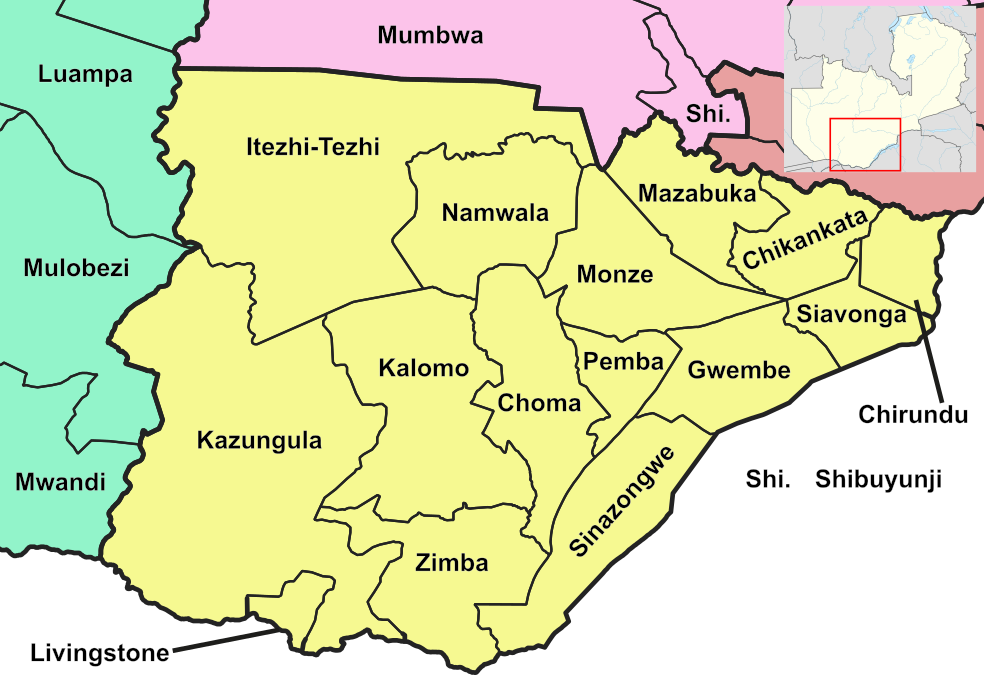
Southern Province is one of the administrative provinces of Zambia. Its provincial capital was moved from Livingstone to Choma in 2011, but Livingstone remains the largest urban centre and the main hub for visitors. The province lies in the southern part of the country and is characterised by broad plains, river systems and a mix of rural and urban communities.
Image gallery
4 Images


Geography and environment
The landscape includes savanna, river floodplains and seasonally inundated wetlands that support agriculture and livestock. The Zambezi River marks part of the province’s southern boundary and feeds several important wetlands. These ecosystems sustain a variety of wildlife and provide grazing and cropping land for local communities.
Major towns and districts
- Choma (provincial capital)
- Livingstone (historic capital and tourism centre)
- Mazabuka (agricultural and sugar-producing area)
- Monze, Namwala and others that serve as local administrative and market centres
History and administration
The province has long been home to Tonga-speaking communities and other groups whose cultures are tied to riverine and cattle-herding traditions. Administrative boundaries and district structures have evolved since independence as Zambia adjusted governance to improve local services and economic development.
Economy and society
Agriculture is central to the provincial economy: smallholder maize production, cattle ranching and commercial sugarcane estates are prominent. Rural livelihoods often combine cropping, livestock and fishing where seasonal floods occur. The social fabric mixes traditional authorities, market towns and growing service sectors in larger settlements.
Tourism and notable sites
The province is internationally known for Victoria Falls, one of Africa’s best-known natural attractions, and the town of Livingstone serves as the principal gateway for visitors. Other attractions include national parks and wildlife areas, cultural experiences linked to local communities, and outdoor activities along the Zambezi. Conservation and sustainable tourism are important focuses as visitor numbers and ecological pressures continue to shape planning and local economies.
Distinctive facts
Southern Province combines significant natural attractions with extensive agricultural production. Its mix of tourism, traditional livelihoods and commercial farming makes it a key region for both Zambia’s economy and cultural identity.
Related articles
Author
AlegsaOnline.com Southern Province (Zambia) Leandro Alegsa
URL: https://en.alegsaonline.com/art/92313