
South Uist: island of the Outer Hebrides
South Uist (Uibhist-a-Deas) is an island in Scotland’s Outer Hebrides, known for its machair, Gaelic culture, archaeological sites including Bronze Age burials, a strong Catholic community, and conservation areas.
Overview
South Uist, known in Scottish Gaelic as Uibhist-a-Deas, is one of the inhabited islands of the Outer Hebrides off the west coast of Scotland. The island combines low-lying sandy machair, peat bogs, freshwater lochs and rocky coastlines. Settlement is scattered among crofting townships and linear coastal villages. Gaelic language and traditional customs remain important features of local life.
Image gallery
10 Images


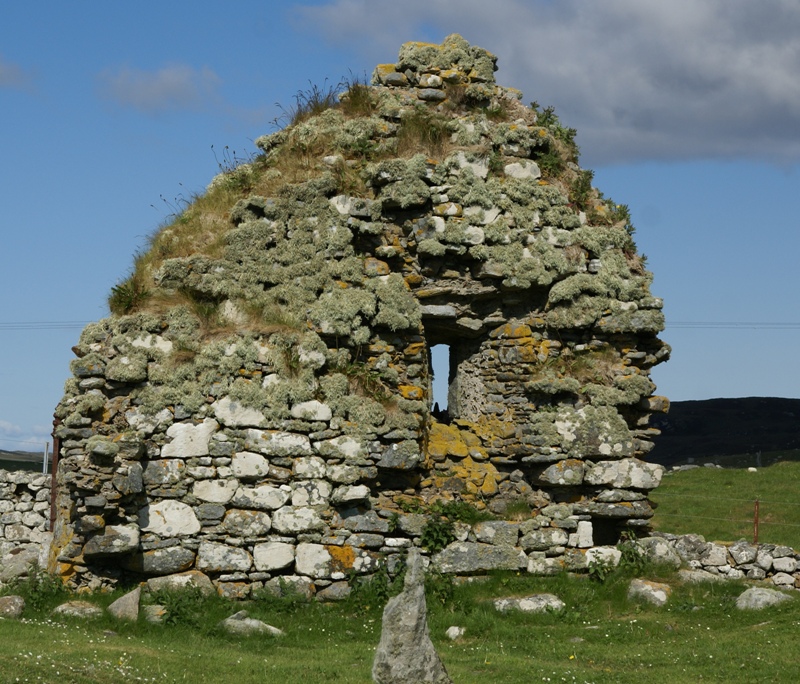


Geography and landscape
South Uist forms part of an island chain connected by causeways and short ferry crossings to neighbouring islands; it lies close to Benbecula and Eriskay. The island’s distinctive machair habitat — fertile, shell-sand grassland — supports an unusual mix of coastal flora and farmland, and contrasts with extensive blanket peat and dune systems. The interlinked coastal, freshwater and peatland habitats are locally important for breeding waders and migrating waterfowl and contribute to wider conservation networks.
Ecology and conservation
Conservation bodies and local initiatives manage several reserves and protected areas to preserve birdlife, rare plants and the machair ecosystem. The island is notable for its populations of ground-nesting waders and for conservation efforts aimed at species such as the corncrake. Designations and management aim to balance traditional crofting practices with habitat protection and sustainable tourism.
History and archaeology
Human presence on South Uist stretches back to prehistoric times. Archaeological work has revealed Neolithic and Bronze Age settlements, cairns and burial sites. One of the island’s best-known discoveries is the Cladh Hallan assemblage; Bronze Age burials from the site have been described in public accounts as unusually well preserved and have attracted academic interest as some of the most notable prehistoric finds in Great Britain. Later periods show activity through the Iron Age and into Norse and medieval times, reflecting broader cultural interactions in the Hebrides. Many sites are recorded in regional archaeological inventories and scholarly surveys (archaeological records).
Population, language and land ownership
According to the 2001 census, South Uist had a usually resident population of around 1,818 people; subsequent counts have shown modest fluctuations typical of remote island communities and demographic change. The island retains a strong Roman Catholic tradition and a high proportion of Gaelic speakers, making it one of the principal Gaelic-speaking areas in the Hebrides. In 2006 a landmark community land purchase transferred much of the estate to local stewardship, an event often cited in discussions of Scottish community land reform (2006).
Economy and infrastructure
The local economy combines crofting, small-scale agriculture, fishing, service industries and tourism. Traditional activities such as peat cutting and shellfish gathering persist alongside newer enterprises. Transport links include local roads, causeways to neighbouring islands and ferry services; demographic and economic trends reflect the challenges and opportunities of island living. Official demographic information and statistical summaries can be consulted in national census data and local population statistics.
Culture and community life
Gaelic culture is actively promoted through community events, music and education. Local schools and cultural organisations support Gaelic-medium provision and traditional arts. Religious observance and parish life continue to shape social rhythms in many settlements. Community ownership and development projects have encouraged local initiatives in housing, land management and cultural programmes, strengthening links between heritage and economic resilience.
Modern developments and notable facts
South Uist’s landscape and cultural heritage attract visitors interested in birdwatching, archaeology and Gaelic culture. The island has also hosted a Ministry of Defence testing range in its north-west, an issue that has prompted debate about land use, safety, and economic impact. For introductory or general reference overviews of the island see broader entries on the island overview and the wider Scottish and Hebridean context.
- Important habitats: machair, peatland, dunes and freshwater lochs.
- Archaeology: multi-period evidence from Neolithic to medieval times, including notable Bronze Age burials.
- Community ownership: large-scale local acquisition in the mid-2000s that reshaped land management.
- Cultural life: strong Gaelic-speaking community and a predominantly Roman Catholic tradition.
Related articles
Author
AlegsaOnline.com South Uist: island of the Outer Hebrides Leandro Alegsa
URL: https://en.alegsaonline.com/art/92231
Sources
- isle-of-man.com : The Chronicles of Mann. Manx Society. Vol XXII,
- lexicon.ff.cuni.cz : Germanic Lexicon Project
- ordnancesurvey.co.uk : Ordnance Survey
- commons.wikimedia.org : South Uist