
South Wales: geography, history, economy and culture
Region of southern Wales noted for its cities, industrial history, the Brecon Beacons and varied coastline. Covers geography, major towns, economic development, culture and boundary issues.
South Wales is the southern portion of the country of Wales, facing the Bristol Channel and sharing a long land border with England. Locally it is sometimes referred to by its Welsh name, De Cymru. The region contains the largest concentration of people in Wales and combines urban centres, former industrial valleys and a varied rural upland zone. It sits within the political and cultural framework of the United Kingdom while retaining distinctive local geography and traditions.
Image gallery
10 Images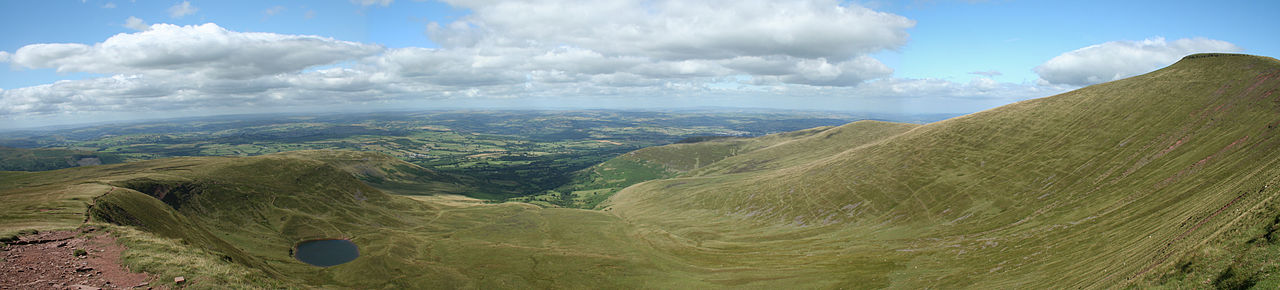




Geography and natural features
South Wales stretches from coastal plains along the Bristol Channel up into rolling hills and mountains. A notable protected area, the Brecon Beacons, rises in the interior and includes Pen y Fan, which is the highest peak in southern Britain outside the north-west ranges such as Snowdonia. The landscape includes steep-sided valleys carved by rivers and former glacial action, coastal estuaries, and productive farmland. The mix of coast, valleys and uplands shapes patterns of settlement, transport and recreation.
History and economic development
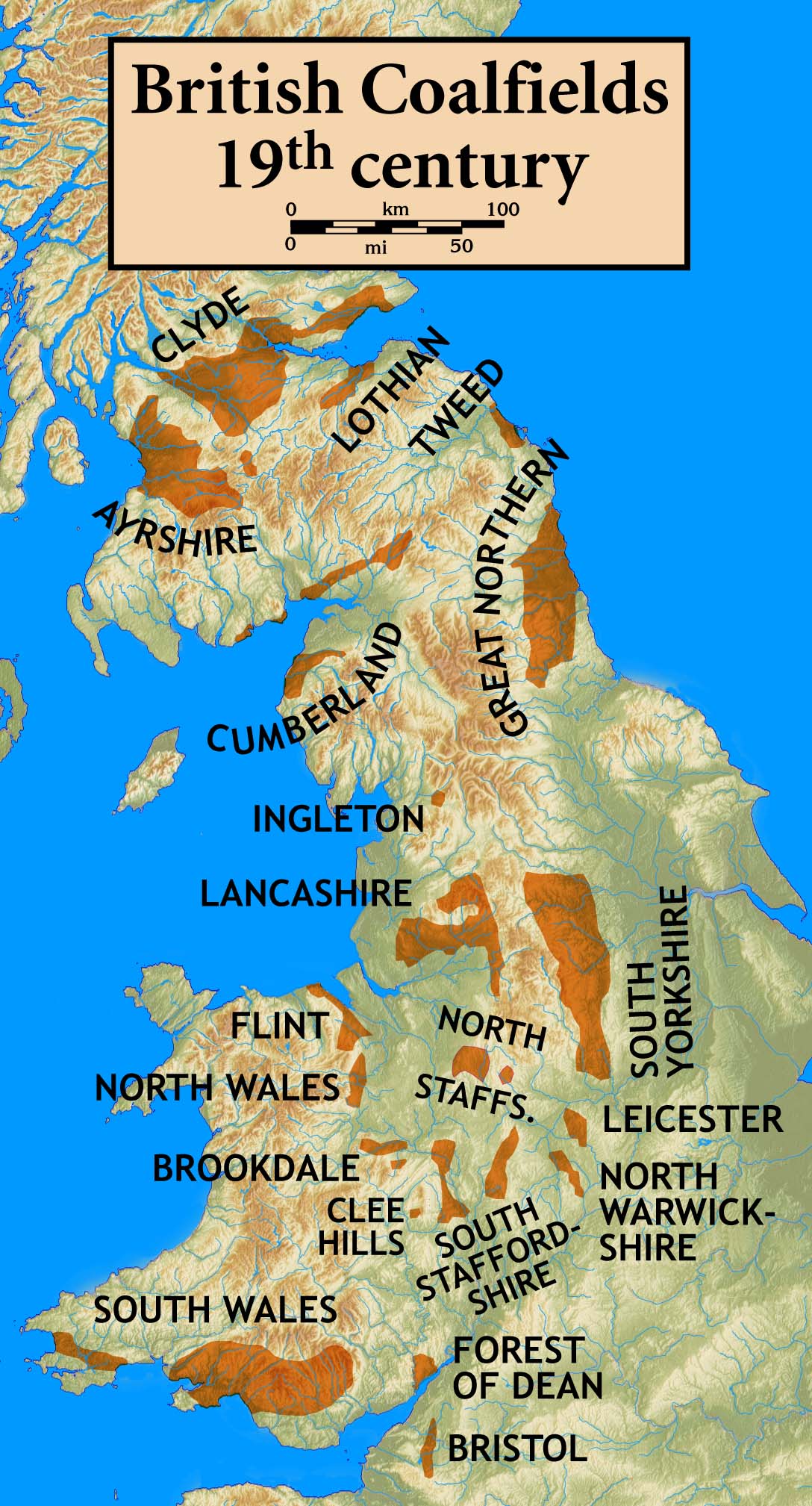
The region became particularly well known during the Industrial Revolution for coal mining, ironworking and heavy industry, activities that transformed towns and created extensive rail and port networks. Major ports and industrial centres grew to handle coal and manufactured goods. Over the 20th century many heavy industries declined, and the economy diversified into services, light manufacturing, education and tourism. Transport corridors still link former coalfields with coastal cities, and regeneration projects have reshaped quaysides and town centres.
Towns, transport and cultural life
South Wales hosts several of Wales's largest towns and cities and numerous smaller communities. Important urban centres include Cardiff, Swansea and Newport, while the valleys contain towns with strong industrial heritage. Examples of locations often associated with the region are listed below.
- Major cities and towns: Cardiff, Swansea, Newport.
- Historic counties and areas: Glamorgan, Monmouthshire, Carmarthenshire, Pembrokeshire.
- Protected landscapes: Brecon Beacons and other upland areas.
Culture, recreation and tourism
The area is rich in cultural life: Welsh language and traditions persist alongside English-language institutions; rugby, choirs and local festivals remain important. Visitors come for walking and climbing in the national park, coastal scenery, castles and industrial heritage sites. Museums, galleries and performance venues in the cities reflect both the industrial past and contemporary creative industries.
Boundaries, administration and notable facts
There is no single official border that defines "South Wales" and local perceptions vary. Some county names and historic divisions overlap with neighbouring West Wales and Mid Wales. The historic county of Glamorgan is central to many definitions, while counties such as Pembrokeshire or Carmarthenshire may be included or seen as part of West Wales in other contexts. The Brecon Beacons and Pen y Fan are widely recognised landmarks; comparisons are often made with ranges such as Snowdonia in the north. For practical purposes, descriptions of South Wales usually combine physical geography, the legacy of industrial development and contemporary urban networks into a single regional identity.
For more information about towns, parks and history, see regional guides and local authority resources linked from general reference sources or travel pages (Welsh name, Brecon Beacons, local county sites).
Related articles
Author
AlegsaOnline.com South Wales: geography, history, economy and culture Leandro Alegsa
URL: https://en.alegsaonline.com/art/92234
Sources
- bbc.co.uk : Culture