
South West England
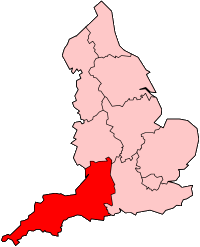
South West England, the largest English region by area, spans Gloucestershire and Wiltshire to Cornwall and the Isles of Scilly; known for coastlines, moors, agriculture, mining heritage and tourism.
Overview
South West England is the largest of England's official regions by area, occupying the south‑western peninsula of the country. It stretches from parts of the Cotswolds and the northern counties down to the Atlantic coasts of Cornwall and the Isles of Scilly. The area is often called the West Country and is associated with the historic kingdom and cultural region of Wessex. For administrative and general information about the region see a regional overview.
Image gallery
10 Images




Geography and landscape
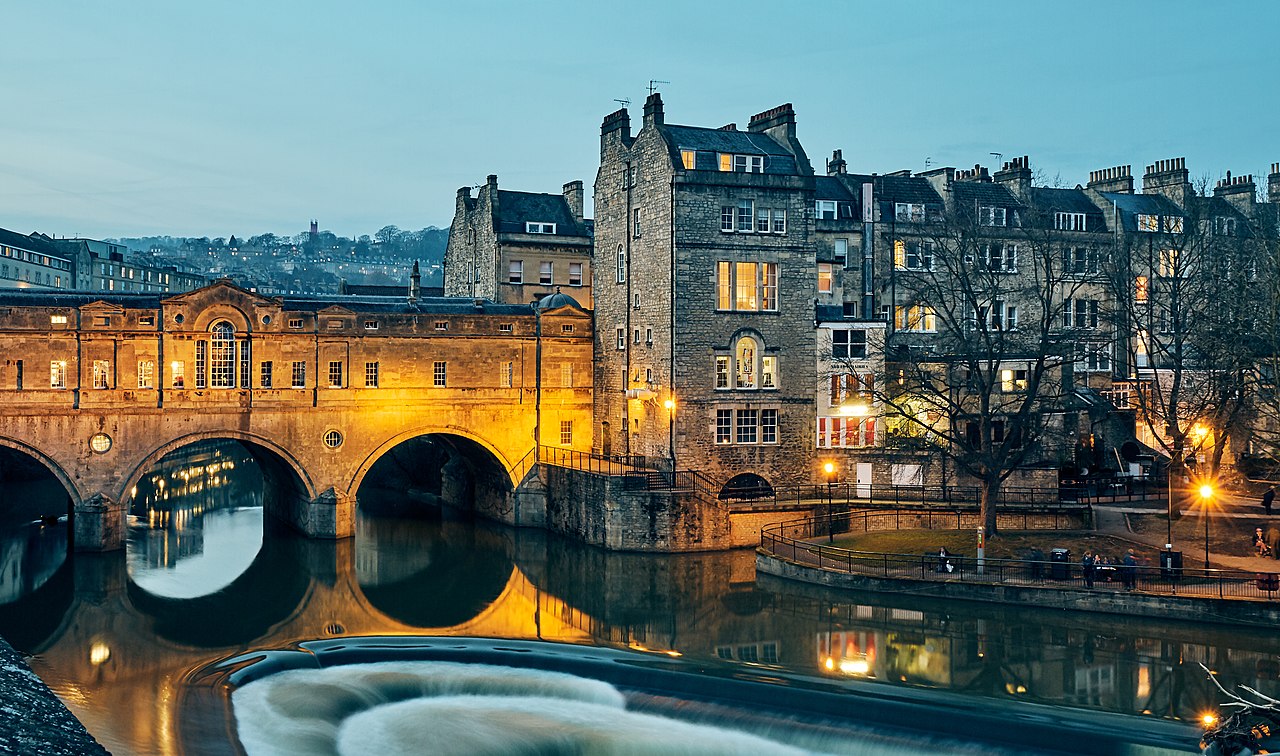
The landscape is varied, including long, indented coastlines, sandy bays and headlands, upland moors, rolling agricultural lowlands and river valleys. Counties commonly included in the region range from Gloucestershire and Wiltshire in the north to the peninsular counties of Cornwall and the far‑west islands such as the Isles of Scilly. Dartmoor and Exmoor are two protected upland areas designated as national parks; the Jurassic Coast, Bath and the Cornwall and West Devon Mining Landscape are examples of internationally recognised heritage on or near the region's coasts.
History and cultural identity
The region has a long history from prehistoric monuments and Roman sites to medieval towns and the later development of regional identities. Cornwall preserves a distinct Celtic heritage, and there has been a modern revival of the Cornish language and culture. Rural traditions and local dialects remain visible in many communities. Historic industries such as tin and copper mining in Cornwall and Devon shaped settlements and left a strong industrial heritage that is now protected and interpreted for visitors.
Economy and traditional products
Agriculture and tourism are important components of the regional economy. Farming in the lowlands supports dairy, beef and mixed crops, and the region has long been associated with products such as Cheddar cheese from Somerset and the Devon tradition of cream teas associated with Devon. Somerset is well known for apple growing and cider production; local cider traditions and products are an established part of the culinary landscape (regional food, cider).
Transport and settlement
Major urban centres and ports provide hubs for commerce, education and transport. Cities such as Bristol and Bath act as regional centres for higher education, culture and services, while other towns and ferry connections serve coastal communities and islands. Road, rail and air links connect the region internally and to the rest of the UK, although rural and coastal areas remain more sparsely settled than the national average.
Environment, conservation and wildlife
Conservation is a significant concern: the region contains designated landscapes, Sites of Special Scientific Interest and Marine Conservation Zones. Heathland, moorland, coastal cliffs and estuaries support a range of habitats and species. National parks, protected shorelines and National Trust properties help manage and interpret the natural and historic environment for residents and visitors.
Culture, arts and leisure
The South West has a lively contemporary cultural scene alongside traditional events. Internationally known attractions and cultural events include the Eden Project in Cornwall, the Glastonbury festival in Somerset and creative industries such as animation studios based in the region. The city of Bristol is associated with musical styles including trip hop and a strong street‑arts scene. Coastal areas draw surfers and water‑sport enthusiasts to exposed Atlantic beaches and headlands (surfing and beaches).
Tourism and notable sites
Tourism makes use of the region’s natural, historical and cultural assets. Notable World Heritage Sites and protected places in or adjacent to the region include the city of Bath, the prehistoric complex of Stonehenge and Avebury, the Jurassic Coast, and the Cornwall and West Devon Mining Landscape. Visitors also come for coastal cuisine, seafood restaurants, walking on coastal paths and the character of small towns and villages.
- Typical counties and places: Gloucestershire, Wiltshire, Somerset, Dorset border areas, Devon, Cornwall and the Isles of Scilly; market towns and port towns are widespread.
- Protected landscapes: Dartmoor and Exmoor National Parks, Areas of Outstanding Natural Beauty and protected coastlines.
- Heritage and industry: historic mining landscapes, maritime history, and a continuing food and hospitality sector.
For further reading on local places, heritage sites and visitor information consult a general regional overview, local county guides and specific resources for towns such as Chipping Campden. Additional cultural and travel material can be found through tourism and heritage organisations (Cornwall resources, Devon visitor information) that highlight both traditional customs and contemporary life in the South West.
Questions and answers
Q: What is South West England?
A: South West England is one of the regions of England.
Q: How much area does South West England have?
A: South West England has the largest area of all regions.
Q: Which areas does South West England reach from and to?
A: South West England reaches from Gloucestershire and Wiltshire to Cornwall and the Isles of Scilly.
Q: What are the important industries of the region?
A: Agriculture and tourism are the important industries of the region.
Q: What was formerly very important in Devon and Cornwall?
A: Mining of tin and copper was formerly very important in Devon and Cornwall.
Q: What is South West England well known for producing?
A: South West England is well known for producing Cheddar cheese, Devon cream teas, and Somerset cider.
Q: What are some attractions and sites located in South West England?
A: Some attractions and sites located in South West England include the Eden Project, Aardman Animations, the Glastonbury festival, surfing beaches, two National Parks (Dartmoor and Exmoor), and four World Heritage Sites.
Related articles
Author
AlegsaOnline.com South West England Leandro Alegsa
URL: https://en.alegsaonline.com/art/92238