
Benbecula
Benbecula is a low-lying island in the Outer Hebrides of Scotland, known for its Gaelic heritage, machair habitat, crofting communities, and links to neighbouring islands by causeway and airport.
Overview
Benbecula (Scottish Gaelic Beinn nam Fadhla) is a central island of the Outer Hebrides archipelago in the Atlantic Ocean off the west coast of Scotland. It is administered as part of the Western Isles (Comhairle nan Eilean Siar). Compared with many of the northern islands it is relatively low and flat, with a mix of peat bog, fertile machair and scattered croftland. In the 2001 census the resident population was recorded at about 1,249 people, many of whom speak Gaelic and a significant proportion of whom identify as Roman Catholic.
Image gallery
10 Images




Geography and environment
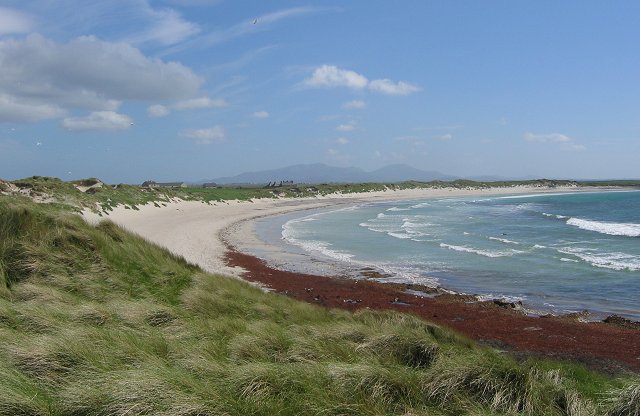
Benbecula lies between North Uist and South Uist and historically forms a link in the chain of islands. The island’s landscape includes coastal machair—fertile grassy plains supporting wildflowers and nesting waders—interspersed with peatland and freshwater lochs. The surrounding sea supports shellfish and seabird colonies. These habitats are valued for biodiversity and attract nature-based visitors in summer.
History and population
Human settlement on Benbecula stretches back centuries, with Gaelic culture dominant and Norse influence evident in place-names across the Hebrides. Like other western islands, Benbecula’s modern population reflects the legacy of crofting communities and 19th–20th century social changes. The island’s relatively large Roman Catholic presence is notable within a broader region often associated with Presbyterian denominations, including the Free Church of Scotland and related groups (Free Church of Scotland), and the wider religious landscape of the Highlands and Islands.
Economy and transport
Local livelihoods combine crofting, fishing, small-scale agriculture and tourism. Benbecula is connected to neighbouring islands by causeways and served by an airport with flights to the Scottish mainland, which together make travel and commerce possible year-round.
Culture and notable facts
- Gaelic language and traditions remain an important part of daily life; placenames and music reflect this heritage.
- Machair systems on the island support rare wildflowers and ground‑nesting birds, making conservation a local priority.
- The island acts as a hub between North and South Uist and features community services that serve the surrounding islands.
For further reading on place names and local administration see entries on the island itself and on the wider island groupings of the Hebrides. Additional context about regional geography and transport connections is available through general guides to the Beinn nam Fadhla area and the Outer Hebrides (Outer Hebrides).
Related articles
Author
AlegsaOnline.com Benbecula Leandro Alegsa
URL: https://en.alegsaonline.com/art/10466
Sources
- ordnancesurvey.co.uk : Ordnance Survey
- isle-of-benbecula.co.uk : "Welcome to Benbecula"
- undiscoveredscotland.com : "Benbecula"
- scottish.parliament.uk : Placenames