
Outer Hebrides (Western Isles): islands, culture, history, and wildlife
Remote archipelago off western Scotland, the Outer Hebrides (Western Isles) are known for Gaelic culture, crofting, rugged landscapes, seabirds, peatlands and ferry links connecting main islands like Lewis and Harris and Uist.
Overview
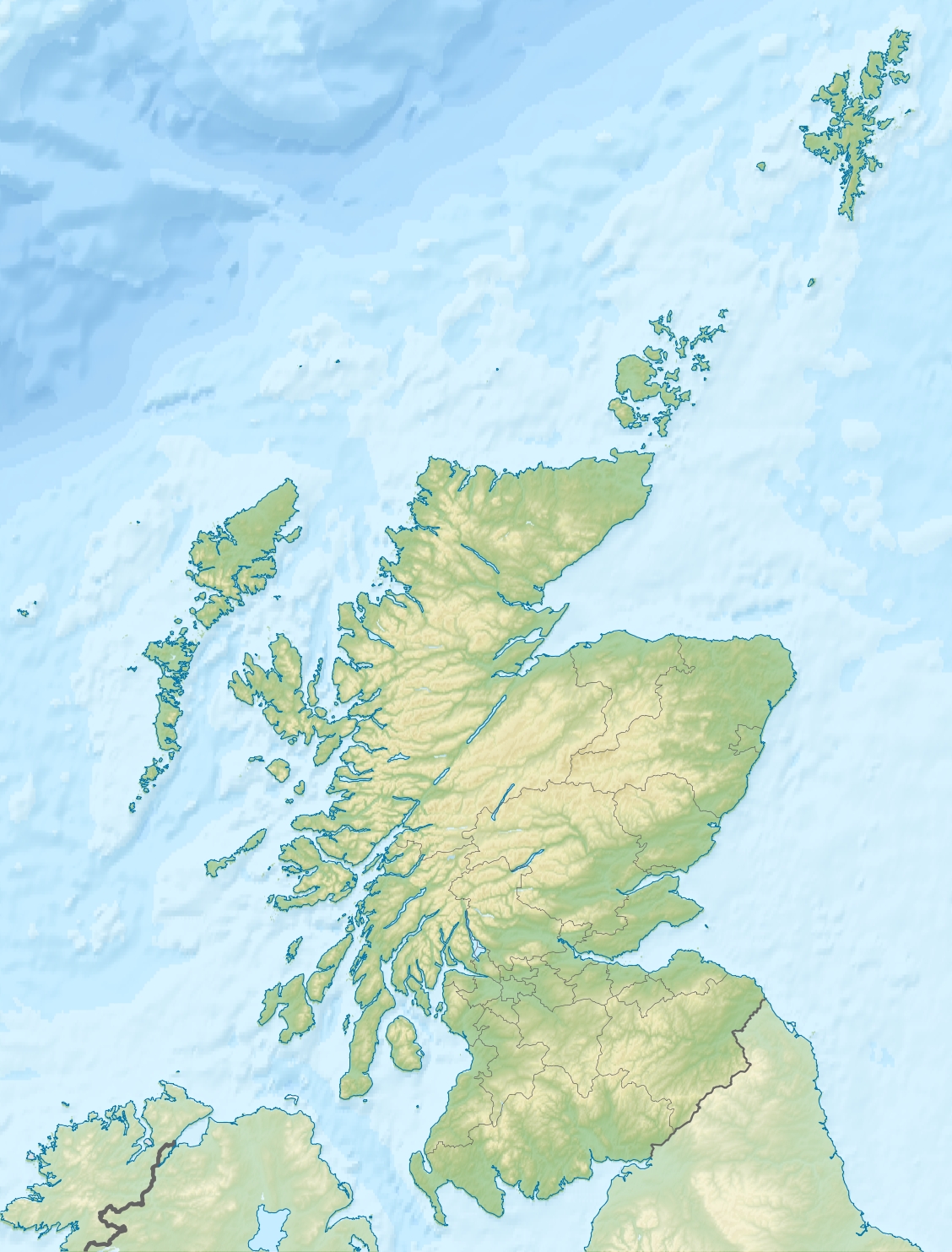
The Outer Hebrides, often called the Western Isles, are an extensive island chain off the northwest coast of Scotland. This scattered group forms the outer rim of the Hebridean islands and includes both larger inhabited islands and many smaller skerries. The archipelago combines dramatic coastal scenery, long sandy beaches, peat moorland and a distinctive island culture that survives in remote communities.
Image gallery
10 Images



Geography and main islands
Geographically the Outer Hebrides lie to the west of the Scottish mainland and are separated from other island groups by channels such as the Minch and the Sea of the Hebrides. The largest landmass is commonly referred to as Lewis and Harris, a single island with contrasting north and south landscapes. Farther south lie a chain of linked and adjacent islands including:
Collectively these islands make up the Outer portion of the wider Hebrides, distinct from the Inner Hebrides by deeper channels and more exposed western coasts.
History and cultural background
The islands have a long human history influenced by Gaelic-speaking communities and earlier Norse settlers. Traditional crofting, fishing and seafaring shaped social structures; clan identities and place names reflect Norse and Gaelic layers. The Scottish Gaelic language was historically dominant and remains in use today alongside English, with active efforts to sustain Gaelic-medium education and broadcasting.
Economy, transport and daily life
Local livelihoods are diversified: crofting and small-scale agriculture, shellfish and whitefish fishing, Harris tweed weaving, and tourism are important. Renewable energy projects and artisan food production have also grown. Because the islands are separated by open water, sea transport is vital; a network of ferry services connects communities internally and to the mainland, supplemented by regional air links for passengers and freight.
Wildlife, landscape and conservation
The Hebridean environment supports internationally important seabird colonies, migratory waterfowl, and coastal habitats such as machair — fertile, flower-rich dune grassland uncommon elsewhere. Much of the landscape sits on very old metamorphic bedrock, producing a mix of rocky coasts and peat-covered interior. Conservation designations protect seabird nesting sites, machair areas and rare plant communities while balancing the needs of local communities.
Notable distinctions and visitor experience
Visitors are drawn by wide beaches, quiet roads, Gaelic culture and living traditions like tweed weaving and music. The Outer Hebrides present a different character from the Inner Hebrides: they are generally more exposed to Atlantic weather, less densely populated and hold a stronger persistence of Gaelic language and crofting land use. Practical travel planning relies on the island ferry network and local timetables, and many travelers choose to explore by car or bicycle to experience remote villages, archaeological sites and abundant wildlife.
For more detailed maps, transport timetables and cultural resources, readers can consult local authority and tourism information via the links below.
Island chain overview | Scotland context | Lewis and Harris | South Uist | Benbecula | North Uist | Hebrides | Inner Hebrides | Sea transport | Ferry services
Questions and answers
Q: Where are the Outer Hebrides located?
A: The Outer Hebrides are an island chain off the west coast of Scotland.
Q: What is the parliamentary constituency of the Outer Hebrides?
A: The Outer Hebrides is a parliamentary constituency.
Q: What is the name of the northern island in the Outer Hebrides?
A: The name of the northern island in the Outer Hebrides is Lewis and Harris.
Q: What are some of the islands south of Lewis and Harris in the Outer Hebrides?
A: Some of the islands south of Lewis and Harris in the Outer Hebrides include South Uist, Benbecula, and North Uist.
Q: What separates the Outer Hebrides from the Scottish mainland and Inner Hebrides?
A: The Outer Hebrides are separated from the Scottish mainland and Inner Hebrides by the stormy waters of the Minch, the Little Minch, and the Sea of the Hebrides.
Q: What language was formerly dominant in the Outer Hebrides?
A: Scottish Gaelic was formerly the dominant language of the Outer Hebrides.
Q: What is the importance of sea transport in the Outer Hebrides?
A: Sea transport is crucial in the Outer Hebrides, and a variety of ferry services operate between the islands and to mainland Britain.
Related articles
Author
AlegsaOnline.com Outer Hebrides (Western Isles): islands, culture, history, and wildlife Leandro Alegsa
URL: https://en.alegsaonline.com/art/73652
Sources
- ons.maps.arcgis.com : "Standard Area Measurements (2016) for Administrative Areas in the United Kingdom"
- ons.gov.uk : "Population Estimates for UK, England and Wales, Scotland and Northern Ireland, Mid-2016"
- cne-siar.gov.uk : "Western Isles transitional programme strategy"
- snh.org.uk : "Loch Druidibeg National Nature Reserve: where opposites meet".