
Base on Balls (Walk) in Baseball
A base on balls, commonly called a walk, is awarded when a batter receives four balls and is granted first base. This article explains the rule, variations, scoring effects, history, and strategic importance.
Base on balls, often abbreviated BB and commonly called a walk, is a plate appearance outcome in which a batter is awarded first base after receiving four pitches ruled as balls. The batter does not have to swing and is entitled to first base without the risk of being put out on that play. The term describes both the act and the statistical credit given to the batter and the pitcher.
Image gallery
3 Images

How it works
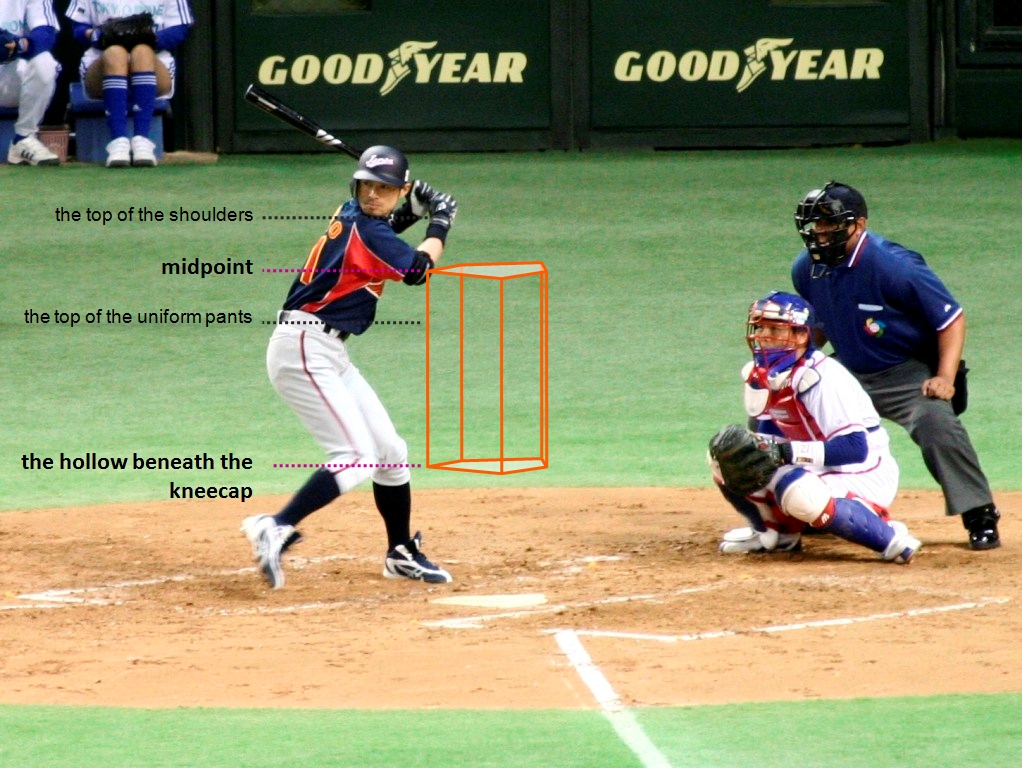
An umpire calls a pitch a ball when it is outside the strike zone and the batter does not swing. After four such calls in one plate appearance the batter advances to first base. Runners already on base advance only if forced. If the catcher fails to control the fourth ball, the batter and any forced runners may attempt to advance beyond the prescribed bases.
Scoring and statistics
- Scoring notation: BB for a regular walk, IBB for an intentional walk.
- Batters receive a plate appearance and a walk is recorded in on-base statistics, but it is not counted as an at-bat and therefore does not lower batting average.
- Pitchers are charged with a walk in their pitching statistics; managers and analysts track walk rates as a measure of control and command.
Variations and examples
An intentional walk is issued when a defensive team elects to grant the batter first base, traditionally by throwing four wide pitches but now often by signal under modern rule changes. A walk with the bases loaded forces in a run and is credited as an RBI to the batter. Walks can also produce dramatic moments, such as a walk-off walk that ends a game.
History and significance
The base on balls has existed in organized baseball since the 19th century and evolved as rules standardized the strike zone and umpiring. Today it is valued both as a tactical tool—used to avoid pitching to dangerous hitters—and as a statistical indicator of a hitter's plate discipline and a pitcher's control. For further details and official rules see resources on the batter and the definition of a ball: batter and balls.
Related articles
Author
AlegsaOnline.com Base on Balls (Walk) in Baseball Leandro Alegsa
URL: https://en.alegsaonline.com/art/9198