
Baseball's color line: segregation, exclusion, and the path to integration
The unwritten policy that barred players of African descent from organized professional baseball in the U.S., its origins in the 19th century, the 1887 vote, and the breaking of the barrier in 1947.
Overview
The term "color line" (or "color barrier") refers to the practice of excluding players of Black African descent from organized professional baseball in the United States. In practice this kept most Black players out of the top professional circuits — both American baseball broadly and the modern Major League Baseball system and its affiliated Minor Leagues — from the late 19th century until the mid-20th century. The exclusion operated without a single written decree at the major-league level and is commonly described as a "gentlemen's agreement" among club owners and officials; this informal understanding enforced segregation in professional teams for decades.
Image gallery
7 Images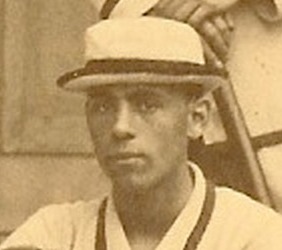

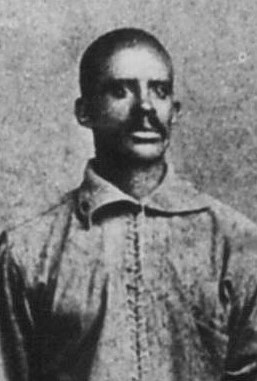


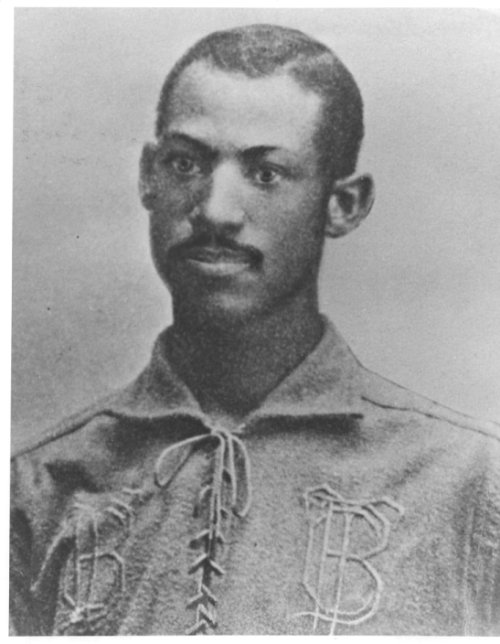
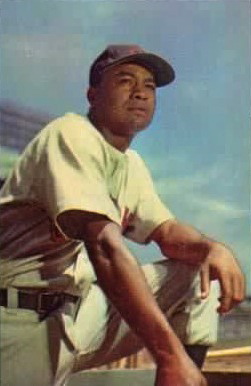
How the color line functioned
The barrier was enforced through social pressure, recruitment practices, contract refusals, and cooperative behavior among team owners rather than by explicit league-wide legislation. Although there was no uniform written rule at the highest level, organized baseball nonetheless coordinated to avoid signing Black players. A turning point came when some minor leagues voted in 1887 to disallow new contracts with Black players; that vote sent a signal across organized ball that ownership would not tolerate integration. The result was a de facto system of racial exclusion that became the default practice for most clubs.
Early exceptions and the rise of segregated leagues
Before the color line was firmly established, a small number of Black players appeared in professional baseball during the 19th century. These early instances were later overshadowed by the systematic exclusion that followed. In response to being shut out of organized white-controlled baseball, Black players, owners, and entrepreneurs created their own teams and circuits — the teams and leagues commonly called the Negro leagues — which provided high-level professional opportunities and a major cultural institution within Black communities.
Breaking the barrier
The color line began to be dismantled in the 1940s through a combination of changing public attitudes, advocacy, and decisions by progressive club owners. The most widely recognized milestone came when Jackie Robinson joined the Brooklyn Dodgers organization, playing for their minor-league team in 1946 and then becoming the first Black player in the modern major leagues in 1947. His entry into the majors signaled the start of a gradual process of integration that accelerated after World War II.
Consequences and legacy
Integration transformed professional baseball and American sports more broadly. It opened major-league rosters to outstanding Black and Afro-Latin players who had been excluded, reshaped competitive balance, and contributed to the decline of segregated leagues as top talent migrated to integrated teams. The legacy of the color line is complex: it highlights both the injustice of exclusion and the resilience of Black baseball institutions that sustained players and fans during segregation. Today, historians, museums, and the sport itself recognize many Negro leagues players and preserve that history as part of baseball's broader narrative.
Notable facts and distinctions
- The color line operated mainly through informal agreements and social enforcement rather than a single written rule at the major-league level.
- A pivotal 1887 vote among some minor leagues discouraged new contracts with Black players and helped entrench segregation.
- The Negro leagues provided an alternative professional structure that showcased high-caliber play for several decades.
- Recognition of early Black players and the historical importance of Negro leagues baseball has grown in museums, research, and official statistics.
For further background and timelines about segregation and integration in baseball, see entries on racial segregation, the history of gentlemen's agreements in sport, and the broader story of American baseball and its leagues. Additional biographical material on key figures is available through dedicated resources about Jackie Robinson and the communities that produced Negro leagues talent.
Questions and answers
Q: What is the color line in American baseball?
A: The color line is the barrier that prevented players of black African descent from playing Major League Baseball and its affiliated Minor Leagues until 1947.
Q: When was the color line broken for good in American baseball?
A: The color line was broken for good when Jackie Robinson signed with the Brooklyn Dodgers organization for the 1946 season.
Q: What was racial segregation in professional baseball called?
A: Racial segregation in professional baseball was sometimes called a gentlemen's agreement.
Q: Was there any written policy at the highest level of organized baseball, the major leagues, regarding racial segregation in baseball?
A: No, there was no written policy at the highest level of organized baseball regarding racial segregation in baseball.
Q: When did the minor league vote against allowing new contracts with black players within its league?
A: The minor league voted against allowing new contracts with black players within its league in 1887.
Q: What message did the minor league's vote against black players within its league send?
A: The vote sent a powerful message that eventually led to blacks not being allowed to play at all.
Q: Were there any exceptions to the color line before it was firmly established?
A: Yes, there were a few notable exceptions in the 19th century before the color line was firmly established.
Related articles
Author
AlegsaOnline.com Baseball's color line: segregation, exclusion, and the path to integration Leandro Alegsa
URL: https://en.alegsaonline.com/art/9204
Sources
- philadelphiabaseballreview.com : "On the field, Pythian baseball club was rivaled by few"