
Baseball bat: design, materials, rules, and uses
A baseball bat is the hand-held implement used to strike the pitched ball in baseball. This article explains its parts, materials, history, regulations, common uses, and safety issues.
A baseball bat is the hand-held implement used by a batter to hit the pitched ball in the sport of baseball. Bats are produced in a range of sizes and materials but share the same basic purpose: to provide a striking surface and leverage so the batter can put the ball in play. Their design balances weight, length and durability to suit different ages, skill levels and competition rules.
Image gallery
6 Images

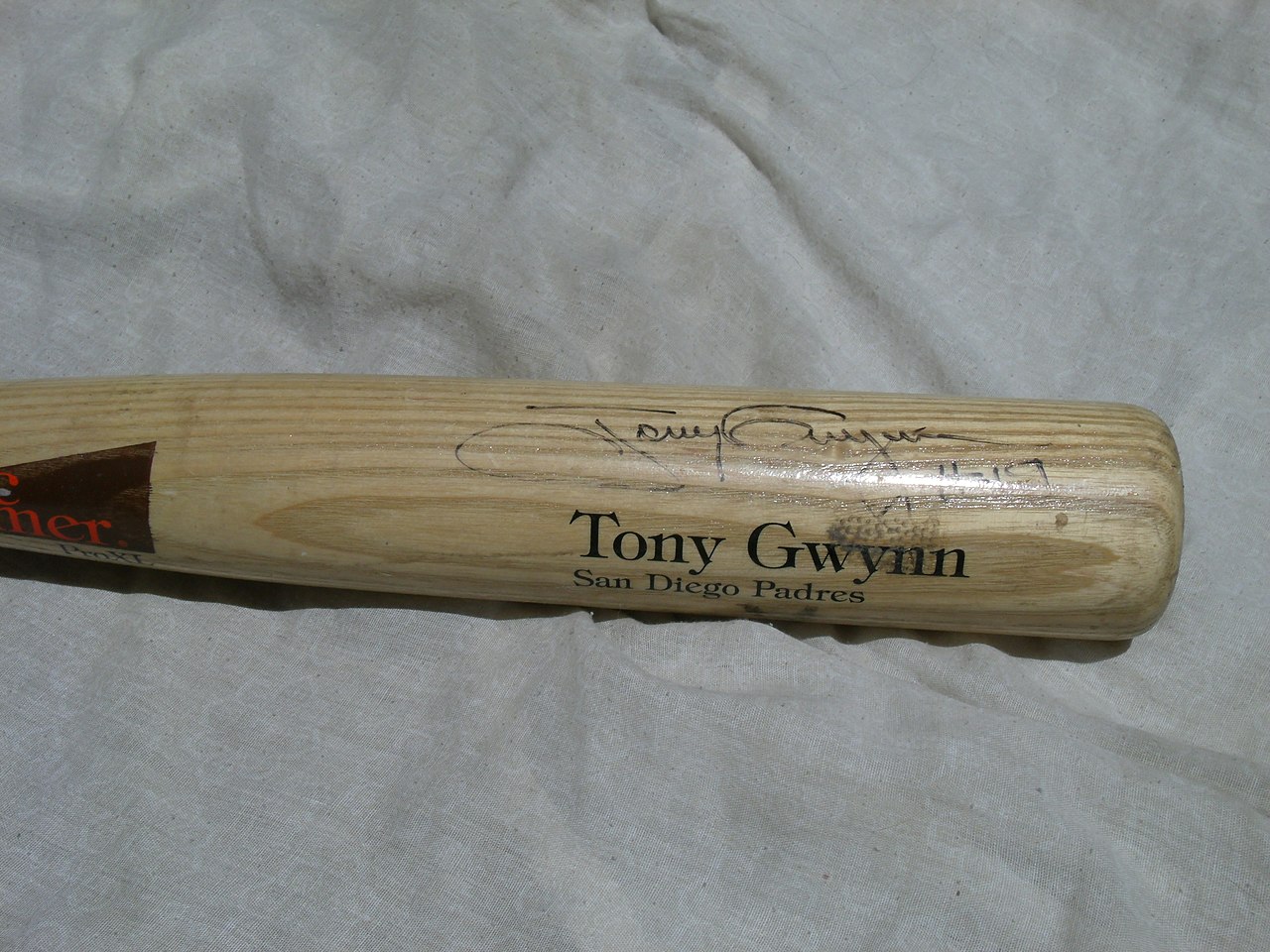


Characteristics and parts
A typical bat has three functional regions: the knob, the handle and the barrel. The knob helps prevent hands from slipping; the handle is where the batter grips the bat, and the barrel is the larger striking portion. Bats are measured by length (commonly up to 42 inches) and maximum diameter (commonly described as roughly 2⅔ inches or about 70 mm). Weight varies widely but recreational bats are often lighter than the heavy wooden bats used in some competitive settings.
Common materials and construction
Wooden bats are traditionally made from hardwoods such as maple, ash, birch or oak. They are favored in professional play for their feel and predictable break patterns. Non-wood bats are typically aluminum, alloy or composite; these offer greater durability and different trampoline effects when the ball is struck. Composite bats combine fibers and resins to tune stiffness and weight distribution. Youth and amateur leagues often allow non-wood bats, while many high-level professional leagues require wood.
History and development
Early bats were simple carved sticks whose shape and dimensions varied widely. Over time, manufacturers standardized profiles—slender handles and larger barrels—producing models tailored to hitters' preferences. Innovations in metallurgy and composite manufacturing expanded options in the late 20th century, especially for non-professional play. Despite technological change, the essential silhouette of the bat remains recognizably consistent with its 19th-century antecedents.
Rules, uses and notable practices
Sports governing bodies set limits on bat length, diameter and materials to preserve fair play and safety. For example, professional leagues require wooden bats and oversee specifications for competitive balance; Major League Baseball has also promoted special bat colors during events, such as the use of pink bats on Mother’s Day to support breast cancer awareness initiatives. Outside sports, a bat used as an improvised weapon is sometimes referred to as a club, and law enforcement or legal systems treat such use differently from sporting activity.
Practical considerations, safety and distinctions
Choice of bat depends on age, league rules and the player’s strength and swing. Wooden bats break and will splinter; aluminum and composite bats dent or deform but rarely split. Batters and coaches consider balance (how mass is distributed), the “drop” (length minus weight, a common way to describe youth bats) and handle thickness when selecting equipment. Proper fitting, protective gear and adherence to league regulations reduce injury risk and maintain the intended competitive challenge.
- Parts: knob, handle, taper, barrel.
- Materials: wood (maple, ash, birch), aluminum/alloy, composite.
- Regulation notes: length and diameter limits, professional wood requirements—see specific league rules for details: league standards.
For players, fans and equipment designers alike, the bat remains a central element of the game: a simple tool shaped by tradition, material science and regulations that together define how the sport is played and experienced.
Related articles
Author
AlegsaOnline.com Baseball bat: design, materials, rules, and uses Leandro Alegsa
URL: https://en.alegsaonline.com/art/9202