
Batting (baseball): fundamentals, rules, history and strategy
Batting is the offensive act of attempting to hit a pitched ball in baseball. This article explains roles, mechanics, outcomes, rules, history (including the designated hitter), and common strategies.
Overview
In baseball, batting refers to the offensive action in which a player, the batter or hitter, tries to hit a pitched baseball ball with a bat. The batter stands in one of the batter's boxes alongside home plate and faces the pitcher during a plate appearance. Each plate appearance can produce a variety of results: a hit, an out, a walk, a hit-by-pitch, a sacrifice, or other game situations. Batting is the primary means by which teams score runs and apply pressure on the defense and pitcher.
Image gallery
2 Images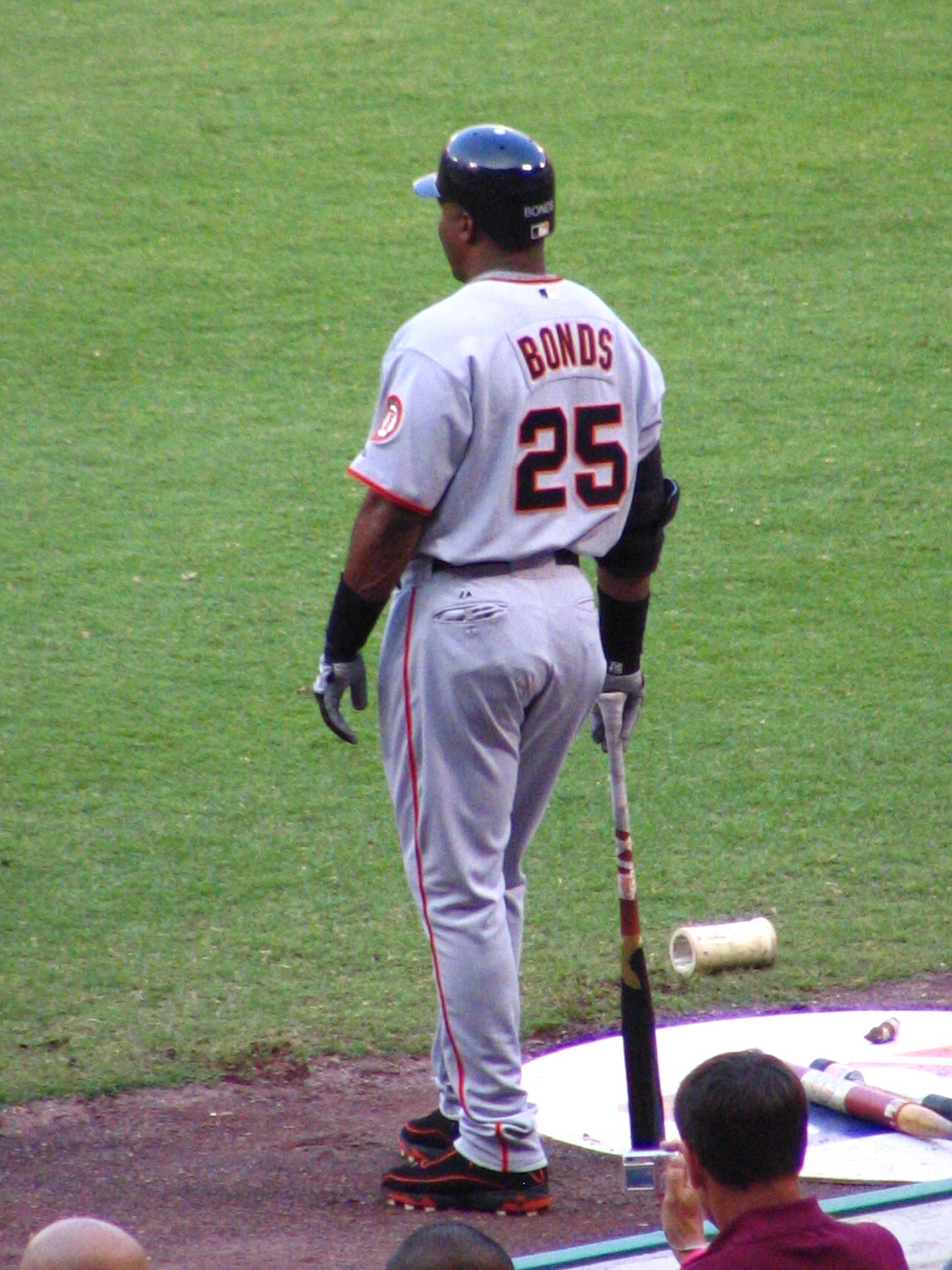

Key components and outcomes
A plate appearance may be recorded as an "at bat" for statistical purposes unless it ends with a walk, hit by pitch, sacrifice, or certain game-ending events. Common terminal events include:
- Hit – the batter reaches base safely via contact (single, double, triple, home run).
- Out – recorded when the defense retires the batter or a runner, including strikeouts, flyouts, groundouts, and force outs.
- Walk (base on balls) – four balls result in free passage to first base and does not count as an at bat.
- Hit by pitch and sacrifice – can advance runners; sacrifices do not count as at bats.
Mechanics and types of hitters
Batting technique involves stance, grip, timing, and swing path. Players vary in approach: some are contact hitters who focus on making consistent contact and putting the ball in play; others are power hitters who seek extra-base hits and home runs. Switch-hitters bat from either side of the plate to gain matchup advantages. Coaches and players measure results with statistics such as batting average, on-base percentage (OBP), slugging percentage (SLG), and OPS (on-base plus slugging).
Rules, equipment and league distinctions
Equipment and rule differences shape batting across levels. Professional leagues such as Major League Baseball require wooden bats, while amateur and youth leagues often permit metal or composite bats. Historically, the two U.S. major leagues had different batting rules for pitchers: the National League required pitchers to bat while the American League used a designated hitter (DH). In recent years, rule changes have moved toward a universal DH in many competitions, altering lineup construction and strategy.
History and development
Batting evolved as pitching styles changed from underhand tosses to overhand deliveries; this pushed batters to develop new techniques. The designated hitter was introduced in the 1970s in some leagues to increase offense and prolong pitchers' careers by removing their batting responsibility. Advances in analytics and equipment have shifted emphasis toward launch angle and exit velocity, quantitative measures used to analyze and improve a batter's effectiveness.
Strategy and situational hitting
Batting strategy includes situational plays like bunting, hit-and-run, moving runners with sacrifices, and using pinch-hitters to exploit matchups. Managers construct batting orders to balance contact, speed, and power—placing high on-base players near the top and power hitters in middle slots. Defensive shifts and pitch sequencing by pitchers create ongoing strategic interplay between hitters and defenders.
Notable distinctions and practical notes
- "Batter" and "hitter" are often used interchangeably, but "batter" is the term used during a plate appearance and "hitter" describes skillset.
- Professional batters must adapt to different pitchers, pitch types, and game contexts; scouting reports play a major role.
- At amateur levels, differences in ball type, bat material, and field dimensions affect batting technique and outcomes.
Together, the physical skill of hitting, the mental aspects of timing and anticipation, and strategic choices by players and managers make batting one of the sport's most nuanced and studied elements. For further reading on rules and recent changes in professional play, consult league resources and official rulebooks via the links above.
Related articles
Author
AlegsaOnline.com Batting (baseball): fundamentals, rules, history and strategy Leandro Alegsa
URL: https://en.alegsaonline.com/art/9416