
Baseball glove (mitt): design, history, and uses
An overview of the baseball glove — its parts, materials, evolution, position-specific types, care, and notable distinctions between gloves and mitts.
Overview
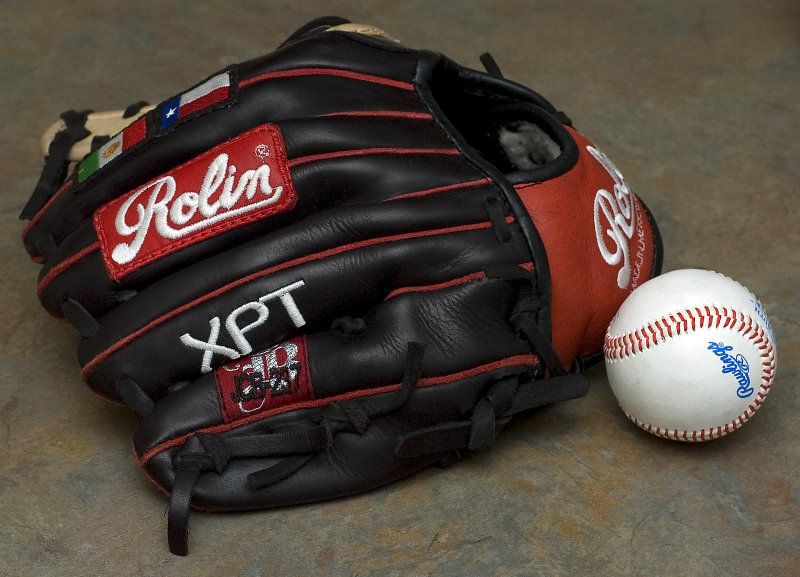
A baseball glove, often called a mitt in some forms, is a handheld piece of protective equipment used by fielders and catchers to catch and control a baseball. Traditionally constructed from leather, gloves provide a combination of padding, grip and a shaped pocket that helps players secure throws and batted balls. Glove designs vary to match the needs of different positions and throwing hands.
Image gallery
8 Images




Parts and characteristics
A typical glove is composed of a palm, fingers, thumb, webbing and lacing. The pocket is the concave area between the thumb and fingers where the ball is caught. Web patterns range from closed to open and influence visibility and ball control. Padding protects the hand while allowing enough feel to judge catches; break-in and stiffness can be adjusted by use or conditioning.
- Common parts: palm, fingers, thumb, web, heel, laces.
- Materials: full-grain leather is most common; some youth and budget models use synthetic materials.
- Orientation: gloves are made for left- or right-handed throwers depending on which hand a player wears the glove.
History and development
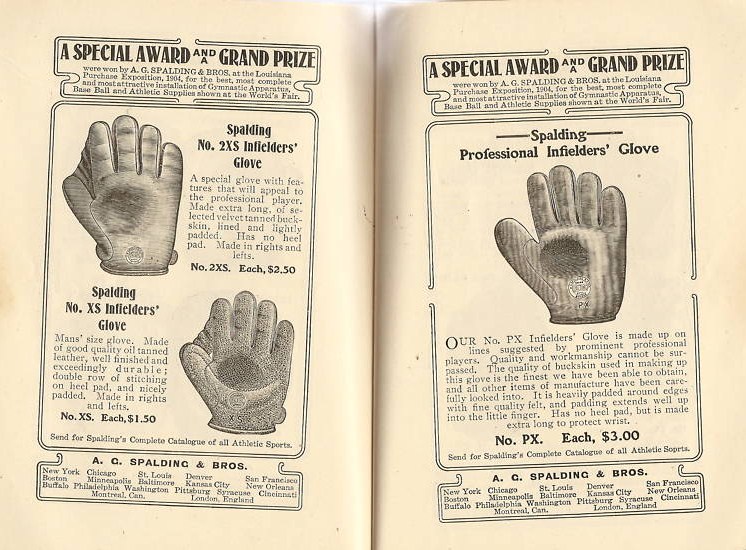
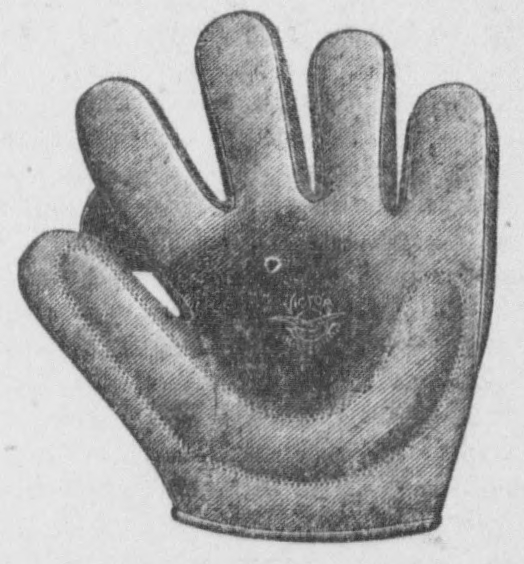
Gloves began appearing in the late 19th century as players sought protection and better catching ability. Over decades, designs evolved from simple padded hand coverings to sophisticated, position-specific models with varied webbing and pocket depth. Professional leagues and equipment manufacturers refined size, shape and materials to balance protection, durability and tactile feedback.
Types and position-specific uses
Different positions favor particular glove styles. Catchers and first basemen use mitts without separated fingers to present a larger catching surface and manage repeated high-impact catches. Infielders prefer smaller gloves with shallow pockets for quick transfers; outfielders use larger gloves with deeper pockets for tracking fly balls. Pitchers often choose gloves with closed webs to help conceal grip and motion.
Care, regulation and notable facts
Proper care extends a glove's life: regular cleaning, periodic conditioning with leather oils, correct storage and gradual break-in preserve shape and performance. Many leagues impose restrictions on glove size and appearance to ensure fairness and safety; check local rules for specifics. For further manufacturer guidance see manufacturer information, for rules consult league equipment standards, for maintenance tips see care guides, and for position-specific comparisons see type comparison.
Distinction: the term "mitt" usually denotes a fingerless glove used by catchers and first basemen, while "glove" commonly refers to styles with individual finger stalls used elsewhere on the field.
Related articles
Author
AlegsaOnline.com Baseball glove (mitt): design, history, and uses Leandro Alegsa
URL: https://en.alegsaonline.com/art/9205
Sources
- sportales.com : "The History of the BaseballGlove"