
Staple (fastener): design, types, history and common uses
A staple is a small metal fastener used to join sheets or attach materials. This article explains its design, types, historical development, common applications and practical considerations.
Overview
A staple is a U-shaped metal fastener commonly used to hold paper together or to affix materials to a backing surface. Typically formed from a length of wire, a staple has two pointed legs joined by a crown. When driven through material and folded or clinched, the legs secure the items without the need for adhesives or knots.
Image gallery
10 Images




Design and parts
The basic elements of a staple are the crown (the top that spans the joined materials) and the legs (the two prongs that penetrate and are bent). Variations include crown width, leg length and wire thickness, which determine how much material can be fastened and how strong the hold will be. Common materials are carbon steel wire, stainless steel or plated metals to resist corrosion.
Types and tools
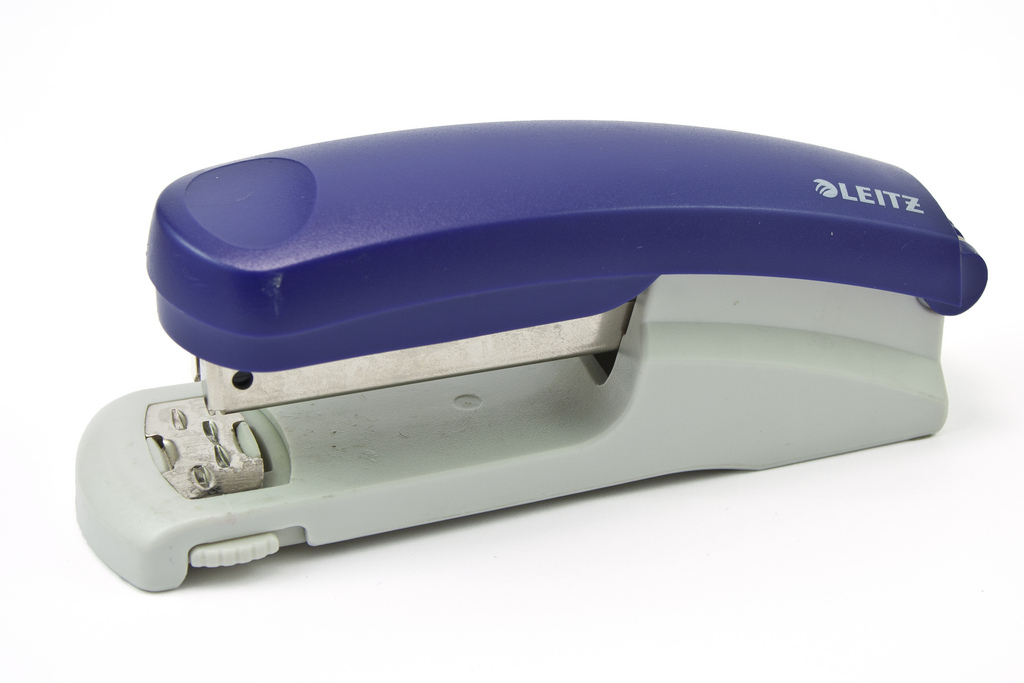
- Paper staples: narrow crowns and short legs used with handheld or desktop staplers for office and school work.
- Heavy-duty and upholstery staples: longer legs and wider crowns used with manual or electric staple guns for fabric, trim and packaging.
- Construction staples: large, robust staples used with pneumatic or hammer tacker tools for tasks such as roofing, insulation or fastening to wood and masonry. More information on these applications is frequently provided by manufacturers and trade sources here.
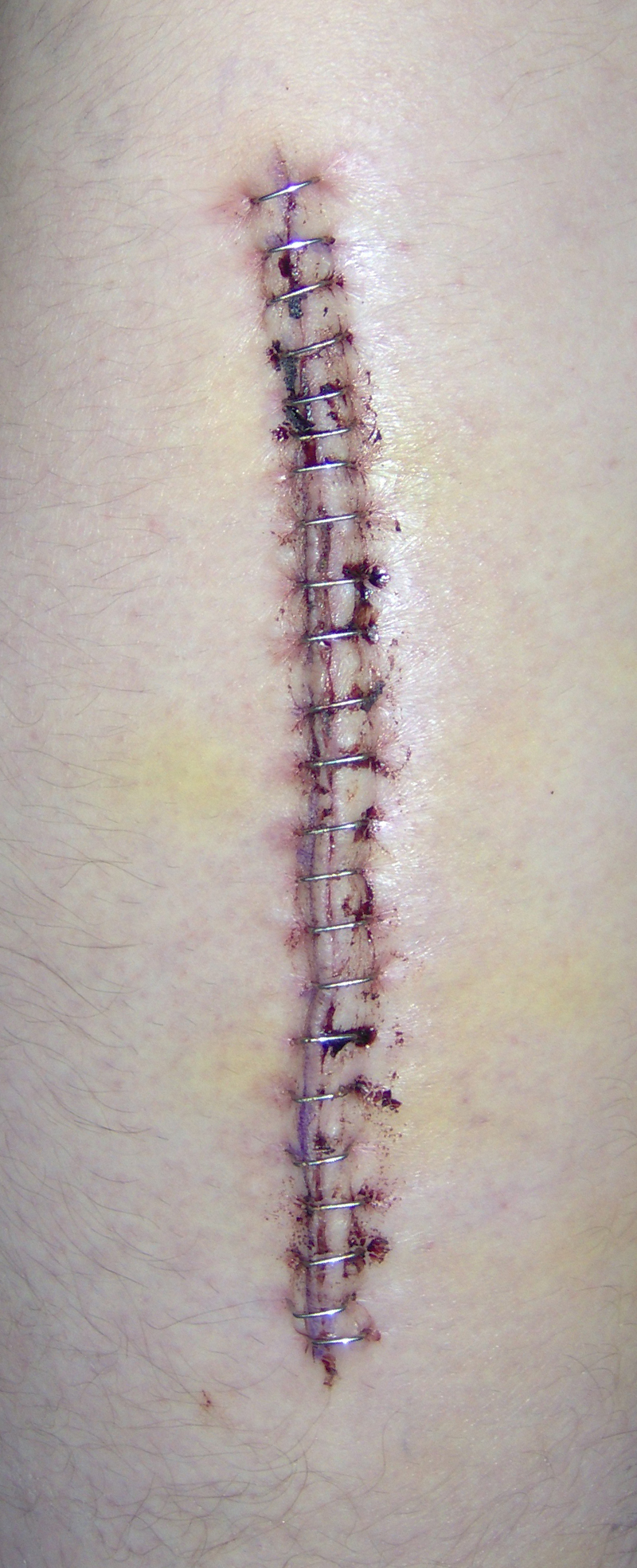
- Surgical staples: specialized, sterile staples used by medical professionals to close skin or internal tissue; they are shaped and applied differently from common office staples.
History and development
Staples and stapling devices arose as practical solutions to bind or attach materials without permanent adhesives. During the industrial era, improvements in wire forming, spring mechanisms and cartridge-style staple strips made staplers and staple guns widely available, adapting the same basic fastener concept to many scales and industries.
Uses, advantages and notable facts
Staples are valued for speed, low cost and reliability. In offices they replace pins and glue for temporary or semi-permanent joins; in packaging they secure boxes and corrugated materials; in construction they provide rapid fastening of light materials. Surgical staples offer faster closure than sutures in some settings. Staples can be removed with a staple remover or pliers when dismantling or recycling items.
Considerations
Staples leave small holes and can corrode over time if not made from appropriate materials. Some fastening jobs require specific staple gauges, crown sizes or stainless alloys for durability. Safety precautions include wearing eye protection when using powered staplers and keeping hands clear of the point and clinching areas. Proper selection of staple type and tool ensures effective and safe fastening in each application.
Related articles
Author
AlegsaOnline.com Staple (fastener): design, types, history and common uses Leandro Alegsa
URL: https://en.alegsaonline.com/art/93413